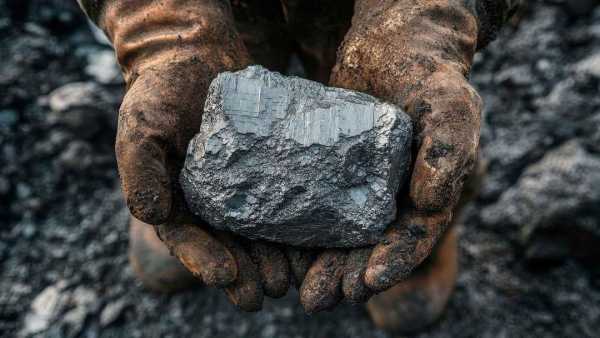
India’s automobile and electric vehicle (EV) industry may finally be seeing some light at the end of a long supply-chain tunnel.
After months of uncertainty and delays, China has reportedly begun issuing export licences for rare-earth magnets (REMs) destined for India, a move that could ease pressure on automakers and component manufacturers who had warned of serious production disruptions.
Citing government officials, Business Standard reported that China’s Ministry of Commerce has started processing applications for rare-earth magnet exports, marking the first tangible progress since Beijing tightened controls earlier this year.
“Although it’s a slow start, China’s Ministry of Commerce has started processing and clearing the applications. Some companies have received necessary approvals. The process has now started,” one official said.
Why Rare-Earth Magnets Matter
Rare-earth magnets are a critical component across a wide range of industries, including automobiles, EVs, electronics, medical equipment and defence. In the automotive sector, they are especially vital for electric motors used in EVs, power steering systems and various high-efficiency components.
China dominates global production and processing capacity for rare-earth magnets, giving it significant leverage over global supply chains. Beijing imposed export licensing requirements on REMs from April 4, a move that immediately affected multiple countries, including India. The restrictions came amid rising trade tensions, with China responding to higher US tariffs on Chinese goods.
Slow Clearances, But Some Progress
Citing officials, the report noted that approvals are now coming through suppliers, including Indian companies and Indian units of foreign firms.
Among those reportedly benefiting from the initial clearances are Jay Ushin, Indian units of German automotive component maker Continental AG, vendors supplying Mahindra and Maruti Suzuki, and suppliers to Honda Scooters and Motorcycles.
No official comment has been made by either of these companies yet.
Industry Concerns Over Production Risks
The Indian automobile industry had earlier flagged the delays in approvals from China’s Ministry of Commerce as a major risk to production schedules. Automakers and component suppliers warned that prolonged disruptions could hit EV manufacturing in particular, at a time when India is pushing hard to scale up electric mobility.
Officials described China’s licensing process as complicated and time-consuming. Under the new rules, Chinese exporters are required to secure assurances from importers that the materials will not be used for dual-use purposes or defence-related applications. This added layer of scrutiny significantly slowed approvals, creating bottlenecks for Indian manufacturers dependent on these inputs.
Diplomatic Engagement Behind the Scenes
Over the past six months, the Indian government has been engaged in discussions with Chinese authorities to address industry concerns around delayed shipments of critical raw materials.
These talks gained momentum during a visit by Chinese Foreign Minister Wang Yi to New Delhi in June, when he reportedly assured External Affairs Minister S Jaishankar that China would ease restrictions on exports of rare earth minerals and other items.
The start of licence clearances suggests that some of these diplomatic efforts may now be bearing fruit, even if the pace remains cautious.
Has the Industry Managed So Far?
Despite the uncertainty, the media organisation reported that Indian automakers and suppliers have managed to keep production lines running by finding alternative arrangements and adjusting schedules. However, these stopgap measures are not a long-term solution.
The key question now is whether China’s move marks the beginning of a broader easing or remains limited to a small number of applicants. The pace and scale of future approvals will determine whether supply-chain risks truly recede or continue to hang over India’s auto and EV sectors.
For India’s EV ecosystem, the stakes are high. As demand for electric vehicles accelerates and manufacturers ramp up capacity, reliable access to critical inputs like rare-earth magnets is essential. A sustained easing of export restrictions could help stabilise supply chains and support India’s clean mobility ambitions.
-
Exclusive: Is 2026 release King Shah Rukh Khan’s last film?

-
HC asks Centre to file reply on plea to reduce GST on air purifiers in Delhi
-
Ashes 2025-26: England Bowler Takes 5 Wickets At MCG - First In 21st Century

-
Dhurandhar Box Office Day 21: Ranveer Singh Film Crosses ₹1000 Crore Worldwide

-
Daayra Wrapped! Kareena Kapoor & Prithviraj Sukumaran Gear Up For 2026 Release