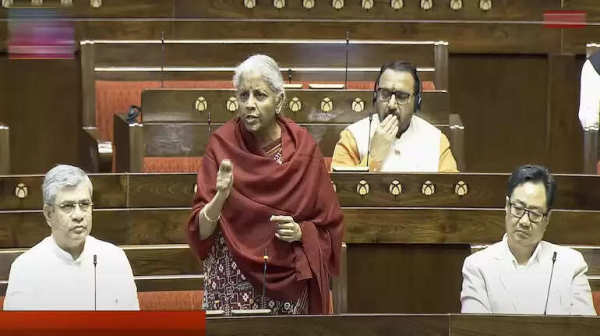
The Union Budget is far more than just a collection of numbers — it is a blueprint for the country’s economic direction in the coming year. Every year, the central government presents the budget in Parliament, detailing the revenue collected, expenditure incurred, and projections for the next financial year. This comprehensive document reflects the government’s priorities, policies, and strategic focus for sectors like agriculture, education, healthcare, infrastructure, defense, and social welfare.
Why the Budget Matters
The budget serves multiple purposes. First and foremost, it ensures transparency. Citizens can see how tax revenues and other government funds are allocated and spent. It also provides a clear snapshot of the country’s current economic health and the challenges the government anticipates. From development targets to strategies for employment, inflation control, investment promotion, and overall growth, the budget acts as a guidepost for policymakers, investors, industries, and even international financial institutions.
Why Preparing the Budget Takes So Long
The Union Budget is not drafted overnight. Its preparation is a months-long, multi-layered process, coordinated by the Department of Economic Affairs under the Finance Ministry. The process involves collecting inputs from various ministries, consulting experts, and analyzing data from multiple government and research institutions.
1. Starting with the Budget Circular
Around August or September, the Finance Ministry issues a budget circular to all ministries and departments. This circular requests detailed estimates of expenses and proposals for the upcoming financial year. Each ministry then prepares its budget request based on its projected plans and priorities.
2. Consultations with Ministries
During October and November, the Finance Ministry holds detailed discussions with each ministry to determine allocations. These meetings often involve extensive negotiations, as every department aims to secure maximum funding for its programs. By the end of November, most of these deliberations are concluded.
3. Drafting the Budget
By late November, a preliminary outline of the budget is ready, containing broad estimates of revenues and expenditures. This forms the basis for the first budget draft, which is presented to the Finance Minister. Sector-wise allocations are finalized, and policy priorities are reviewed. Traditionally, this draft is printed on blue-colored paper, earning it the nickname ‘Blue Book’.
4. Final Consultations in January
In January, the Finance Minister consults with banks, industry bodies, economists, and other stakeholders to gather feedback. These consultations aim to make the budget balanced and practical, although the government is not obliged to adopt all suggestions.
The Final Product
By February 1, the Union Budget is ready to be presented in Parliament. It sets the tone for the nation’s economic policies, investment climate, and social priorities for the year ahead. For citizens, businesses, and investors, understanding the budget is crucial, as it directly affects taxation, expenditure, and the overall economic landscape.
The Union Budget is therefore a meticulous process — combining data analysis, strategic planning, and consultations — to ensure that India’s economy continues to grow in a sustainable and inclusive manner.
-
Winter Kidney Care: Everyday Mistakes That Can Seriously Harm Your Kidney Health

-
Banks To Remain Closed For At Least 10 Days In January 2026; RBI Releases Holiday Calendar
-
Salman Khan At 60: Tracing The Bollywood Superstar's Journey Through His Different Looks

-
Brazil Fire: Major Blaze Breaks Out At Marista Santa Maria College, Emergency Operations Underway; Terrifying Visuals Go Viral

-
Star India cricketer reflects on Punjab Kings spin depth after IPL 2026 auction, says, ‘Doesn’t have …’