If the community didn’t need much persuasion to take risks in the kitchen, it’s because they have an adventurous spirit. Gujarat has a long history of trans-oceanic trade because of its long coast. Gujarati merchants did business with Arab traders from the tenth century, when the region was ruled by the Solanki or Chaulukya dynasty, to the 16th century, when Muslim sultans reigned. From the 16th century, they took advantage of the Portuguese colonial network, foraying into colonies in East Africa and Oman. And in the 19th and 20th centuries, they settled in British colonies in Africa such as Uganda, Kenya, Zimbabwe and South Africa, places that still have large Gujarati diasporas.
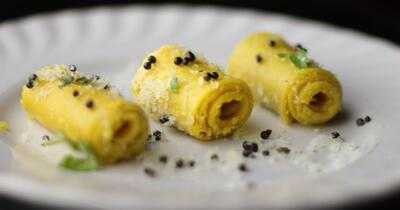
Could it be that the reason Gujaratis have such a dazzling range of farsan is because dry and deep-fried snacks travel well? Who has not travelled around the country or the world, and seen large Gujarati groups snacking on homemade thepla, the thin roti made of wheat and gram flour and flavoured with fenugreek, or dipping into bags of sev-gathiya? While all communities have indigenous snacks, few have the variety produced in Gujarati kitchens. In the traditional scheme of things, nasto or the genre of dry snacks, is made...
Read more
-
Ganavi suicide case takes new turn; Complaint filed against her family

-
Malayalam actor Jayasurya appears before ED in Kerala

-
Definition of Aravalli hills and ranges: SC keeps in abeyance its November 20 directions

-
Timber, Calafiori, Havertz - Latest Arsenal injury news and return dates for Aston Villa

-
Vichare questions BJP's 'Namo Thane' banners; slams Shinde over absence of Thackeray, Dighe images