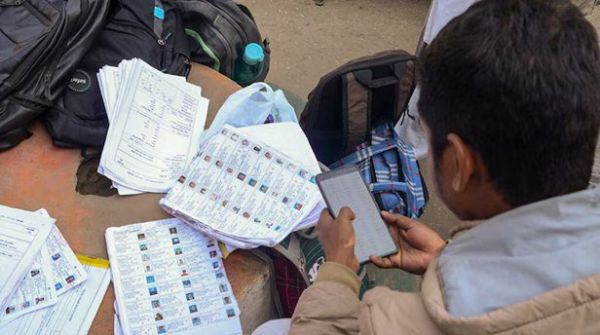
Uttar Pradesh SIR: The Election Commission of India has officially revised the timeline for the ongoing Special Intensive Revision of electoral rolls in Uttar Pradesh, bringing renewed focus to one of the largest voter database exercises in the country. According to the updated plan, the draft electoral roll will now be released on January 6, 2026, while the final voter list is scheduled for publication on March 6, 2026. This revision aims to ensure greater accuracy, transparency, and administrative readiness before the completion of the process.
Background of the Special Intensive Revision Process
The Special Intensive Revision, often referred to as SIR, is a comprehensive review of voter records undertaken periodically to maintain the integrity of electoral rolls. In Uttar Pradesh, this exercise gained particular importance due to the state’s massive electorate and the need to eliminate outdated, duplicate, or incorrect entries. The campaign was carried out under the theme “Clean Electoral Roll, Strong Democracy,” emphasizing the connection between accurate voter data and democratic strength.
The exercise began on November 4 and concluded on December 26, after receiving two deadline extensions. Spanning nearly 52 days, the revision involved large-scale field verification, data matching, and administrative scrutiny across urban and rural constituencies.
Revised Schedule and Key Dates
Under the newly announced schedule, the period for submitting claims and objections will run from January 6 to February 6, 2026. During this window, voters will be able to review the draft list and raise concerns regarding deletions, corrections, or wrongful inclusions. The notice stage, processing of claims, and resolution of objections will continue until February 27, ensuring sufficient time for verification and decision-making.
Once all valid claims and objections are addressed, the final electoral roll will be published on March 6. Election officials have stated that this staggered timeline is designed to balance efficiency with due process, giving voters a fair opportunity to safeguard their voting rights.
Scale of Changes in the Draft Electoral Roll
Preliminary estimates suggest that the draft electoral roll will include approximately 12.55 crore voters. At the same time, around 2.89 crore names have reportedly been removed from the pre-revision list. These deletions are attributed to factors such as confirmed deaths, permanent relocation of voters, and duplication arising from multiple registrations in different locations.
Election authorities have emphasized that deletions are based on documented verification rather than arbitrary decisions. Voters who believe their names were removed incorrectly will have the opportunity to contest the decision during the claims and objections phase.
Process for Claims, Objections, and Reapplications
Individuals whose names have been deleted can reapply for inclusion using Form 6, which is also designated for new voter registrations. This form allows eligible citizens to submit updated information along with necessary supporting documents. Meanwhile, objections to the inclusion of certain names in the draft list can be filed using Form 7, which is intended to flag inaccuracies or ineligible entries.
A notable aspect of this revision is the identification of a significant number of voters categorized as “unmapped.” These voters will be required to submit self-attested documents specified by the Election Commission to confirm their eligibility and retain their names in the final roll.
Political and Public Response to the Revision
The scale of deletions and the classification of unmapped voters have sparked political debate within the state. Opposition parties have raised concerns over potential bias and the possibility of genuine voters being excluded. The ruling party, however, has dismissed these allegations, maintaining that the process follows established guidelines and applies uniformly across constituencies.
Election officials have reiterated that the SIR exercise is administrative rather than political in nature. They have encouraged citizens to actively participate in the verification process to ensure that the final electoral roll accurately reflects the eligible voting population.
Importance of an Accurate Voter Database
An updated and reliable voter list is critical for conducting free and fair elections. In a state as populous as Uttar Pradesh, even minor discrepancies can have significant implications. The revised schedule reflects an effort to enhance transparency, allow public participation, and strengthen trust in the electoral system.
As the claims and objections period approaches, voters are advised to check their registration status promptly and take corrective action if necessary. Active engagement during this phase will help ensure that no eligible voter is left out when the final roll is published.
-
LIC Scheme: Invest just once in this powerful LIC scheme and receive a guaranteed pension of ₹1 lakh every year after retirement..

-
Dhurandhar Suffers $10 Million Loss After Middle East Ban, Still Becomes 2025’s Biggest Overseas Hit

-
Yoga Is A Boon For Hormonal Balance: Learn How Ujjayi Pranayama Can Transform Your Health

-
KDMC Elections: Two BJP Women Candidates Win Unopposed In Thane, Party Hails 'Ultimate Civilian Award'
-
Understanding How Thyroid Disorders Are Impacting Women’s Reproductive Health