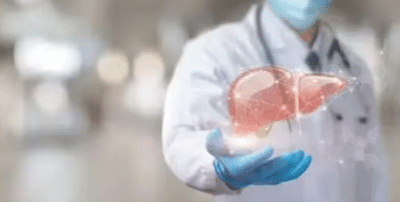
Pale Stool Liver Problem: Various changes in your body can alert you to health issues that are not well. Let us explain this in detail.

Reasons for light stool color
Liver Disease Symptoms: Stool: Often, people, while looking in the toilet, suddenly notice a change; the color of the stool is not the same as before. At first glance, this seems like a small thing, but this change leaves questions in the mind. The color may seem minor, but it can also be an indication of the processes going on inside the body. When the color of the stool becomes light, clay-like, or putty-like, it may be related to the system that handles bile. This includes the liver, gallbladder, and pancreas; these are such organs that usually keep doing their work without any problem.
Change without pain
Often, this change occurs painlessly. Sometimes, there's mild fatigue, nausea, or no symptoms at all. It's this silent change that worries people. Therefore, it's important to understand what light-colored stools may indicate so that timely advice can be sought without panicking and subtle signals from the body are not ignored. Usually, the brown color of stool is caused by bile. The liver produces bile, which reaches the intestines through bile vessels. It helps digest fats and changes color during digestion. If bile doesn't reach the intestines in normal amounts, the stool becomes lighter in color. This change occurs gradually, so it often goes unnoticed until later.
There are many reasons why gallbladder bile flow can be blocked or slowed. Sometimes, inflammation or infection in the liver causes insufficient bile production. In other cases, bile is produced but is unable to move due to blockages in the vessels. Gallbladder stones are a common cause. Additionally, certain tumors, whether cancerous or not, can put pressure on the biliary system. Strictures, which develop gradually within the ducts, can also be a cause.
Problems with medicines
Certain medications and alcohol can also affect stool color. Some antibiotics and medications that affect the liver can disrupt the production or flow of bile from the gallbladder. Long-term or excessive alcohol consumption can cause liver inflammation. Alcoholic hepatitis can reduce bile production, which can be reflected in stool color. This can also be accompanied by fatigue or yellowing of the skin and eyes. Jaundice is sometimes seen along with light stool. This occurs when bile-related chemicals accumulate in the body and cannot be excreted, causing the skin and eyes to appear yellow. If these two symptoms occur together, it can be a strong indicator of a blockage or slow flow in the biliary system.
When to see a doctor?
If the stool remains light in color for several days, it's wise to consult a doctor, especially if accompanied by jaundice, itching, dark urine, or persistent fatigue. Sometimes, but not always, the cause is temporary. The body often doesn't issue a sharp warning, but rather sends subtle signals. Discolored stool is one such silent signal that shouldn't be ignored if it persists for a long time.
-
Early signs of kidney disease – Obnews

-
New Year Party in Mumbai: Cruise countdowns, Asia’s longest bar and rooftop DJ nights to welcome 2026

-
Are you suffering from tonsil pain? Try these 5 effective home remedies, you will get relief from pain

-
Gather the courage to change yourself, these 5 habits for 2026 will bring your life back on track.

-
Do not donate these things even by mistake on Wednesday, otherwise Mercury will become weak and bring financial crisis.
