More than 1.5 million women hold elected positions in Panchayati Raj Institutions across the country. Various states provide for reservation of between one-third and half of all Panchayati Raj Institutions seats for women.
In contrast, women account for 13.8% of members in the 18th Lok Sabha, according to data from the Ministry of Statistics and Programme Implementation.
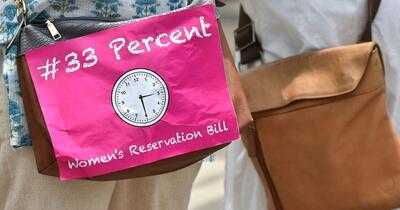
The Constitution (106th Amendment) Act, 2023, provides for 33% reservation for women in the Lok Sabha and state assemblies, but implementation was deferred until after a delimitation exercise scheduled to be conducted after 2026, as IndiaSpend reported in December 2024.
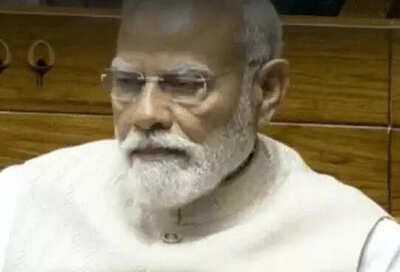
“On the 16th of April, Parliament will be convened to discuss and pass an important bill that advances women’s reservation,” Prime Minister Narendra Modi wrote on April 9, 2026. “It is imperative that the 2029 Lok Sabha elections and the Assembly elections to the various states in the coming times are conducted with women’s reservation in place.”
In five charts, we examine women’s representation and participation across various levels of governance.
Reservation at grassrootsIn 1992, India enacted the 73rdAmendment to its Constitution, reserving a third of seats for women in rural and urban local bodies to ensure greater representation for women in general and other excluded groups in particular, such as scheduled castes and scheduled tribes,...
Read more
-
Shocking Fratricide in Mandla: Brother Murders Sibling and Disposes of Body

-
Can't go to the gym or work out regularly? Get moving with everyday activities

-
Tragic Domestic Dispute Leads to Wife's Murder

-
Women Pull Off Elaborate Makeup Scam at UK Beauty Salon

-
Government Fails to Pass Women's Reservation Bill in Lok Sabha