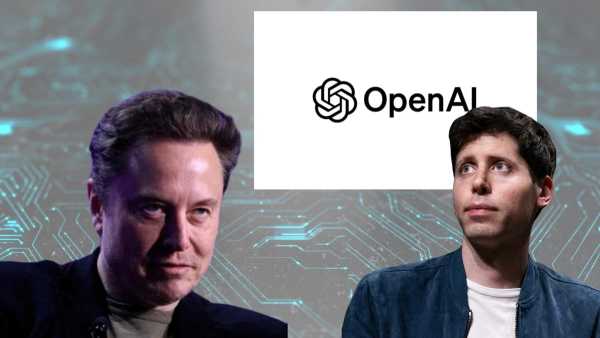
Elon Musk faced intense cross-examination in the OpenAI trial, with lawyers presenting emails showing his push for control in 2017 and efforts to recruit staff to Tesla. Musk defended his actions, saying he offered opportunities freely. The case centres on his claim that OpenAI abandoned its nonprofit mission.
A federal courtroom in Oakland has become the arena for one of Silicon Valley's most consequential legal battles, as Elon Musk takes the stand against Sam Altman and OpenAI. The third day focused mainly on Elon Musk's cross-examination by OpenAI lawyers.
Wired reports that OpenAI lawyers went back to 2017 and showed the court how Musk tried to gain more control but ultimately lost out and left. OpenAI's lawyer William Savitt used emails, texts, and other evidence to portray Musk as aggressively trying to 'squeeze' the organisation after tensions rose.
Key points from Musk's testimony on day three of the trial
- In 2017, Musk pushed for a for-profit structure and demanded the ability to appoint four board members (giving him voting control over the cofounders' three). He wrote that he would 'unequivocally have initial control of the company, but this will change quickly.' Ilya Sutskever and others pushed back, worried it gave Musk too much power.
-
Child dies after cobra bite in Kerala

-
Karnataka orders inspection of hospital buildings after deadly Bengaluru wall collapse

-
Lucknow Student Achieves Top Marks in ICSE Class 10 Results

-
Akhilesh Yadav Criticizes BJP Government's Alleged Misuse of Power

-
AMU Nigerian Student's '3 Idiots'-Style Hindi Speech Goes Viral - WATCH