African proverb of the day brings attention to wisdom from traditional African sayings that explain life lessons in simple ways. The proverb “The earth is a beehive, we all enter by the same door” speaks about shared humanity, equality, unity, empathy, diversity, shared destiny, and respect for individuality. It explains how people are connected even when their lives look different. This proverb is often used in discussions about global community, humility, and interconnectedness. It also fits into a wider group of inspiring African proverbs you should know that guide people on responsibility, preparation, reflection, and harmony in society.
African proverb of the day – Meaning and interpretation of the beehive proverb
The proverb says,
“The earth is a beehive, we all enter by the same door.”
This proverb uses the image of a beehive to explain human life. A beehive has many cells. Bees live in separate spaces, but they all enter the hive through one opening. The proverb uses this image to explain human society.
The proverb teaches that all people are born into the same world. Every person enters life through birth. This shared entry point shows shared humanity and equality. Even though people live in different countries, cultures, and social roles, the proverb says everyone shares a common beginning and a shared destiny. This idea promotes unity and empathy.
Understanding shared humanity and equality
The proverb explains shared humanity. Every person belongs to the same human family. Differences in wealth, culture, and status do not change this truth. It reminds people that all human beings share the same earth. No one owns the world alone. Everyone depends on the same environment and social systems.
Equality is a central teaching of the proverb. Birth is the “same door” for everyone. This message encourages respect and humility. The proverb asks people to see others as equals. It also promotes fairness and community thinking.
Diversity of life paths and individuality
The proverb also speaks about diversity. Bees live in different cells inside the hive. In the same way, people live different lives. Every person has a unique path. People choose different careers, beliefs, lifestyles, and goals. These differences create diverse societies. The proverb explains that diversity does not break unity. Instead, diversity exists inside shared humanity. This message encourages respect for individuality. It teaches people to accept different perspectives and experiences.
Shared destiny and interconnectedness
The beehive metaphor shows how life is connected. If the hive is damaged, all bees are affected. This reflects human society. People share the same planet. Environmental issues, social problems, and global challenges affect everyone. The proverb reminds people that actions have shared consequences. Cooperation becomes important for survival and progress. This lesson promotes responsibility and teamwork in communities and across nations.
Why the proverb is relevant today?
The proverb remains relevant in modern society. Global communication connects people across continents. Travel and technology create a global community. The message of unity and empathy is important during social conflicts and global challenges. The proverb encourages dialogue and understanding. It is often used in discussions about human rights, social equality, and community building. The proverb teaches that division harms shared progress. Cooperation supports shared growth.
Cultural context and social teachings
African proverbs carry cultural wisdom passed through generations. They are used in conversations, teaching, storytelling, and conflict resolution. This proverb promotes togetherness and understanding. It encourages people to focus on connection instead of division. It also supports humility. The proverb reminds people that everyone shares the same starting point in life. These teachings make the proverb useful in education, leadership, and community discussions.
Other inspiring African proverbs you should know
African wisdom includes many proverbs that teach life lessons:
“Do not look where you feel. Look where you slipped.”
This proverb teaches reflection and learning from mistakes. It encourages people to focus on causes rather than blame.
“Tomorrow belongs to people who prepare for it today.”
This proverb teaches preparation and planning. It explains that future success depends on present action.
“He who digs a grave for his enemy might as well be digging one for himself.”
This proverb teaches responsibility and consequences. Harmful actions often return to the person who started them.
Together, these proverbs highlight reflection, preparation, responsibility, unity, and shared destiny.
Lessons people can apply in daily life
The proverb offers practical lessons:
These lessons help build stronger societies and relationships.
African proverb of the day – Meaning and interpretation of the beehive proverb
The proverb says, “The earth is a beehive, we all enter by the same door.”
This proverb uses the image of a beehive to explain human life. A beehive has many cells. Bees live in separate spaces, but they all enter the hive through one opening. The proverb uses this image to explain human society.
The proverb teaches that all people are born into the same world. Every person enters life through birth. This shared entry point shows shared humanity and equality. Even though people live in different countries, cultures, and social roles, the proverb says everyone shares a common beginning and a shared destiny. This idea promotes unity and empathy.
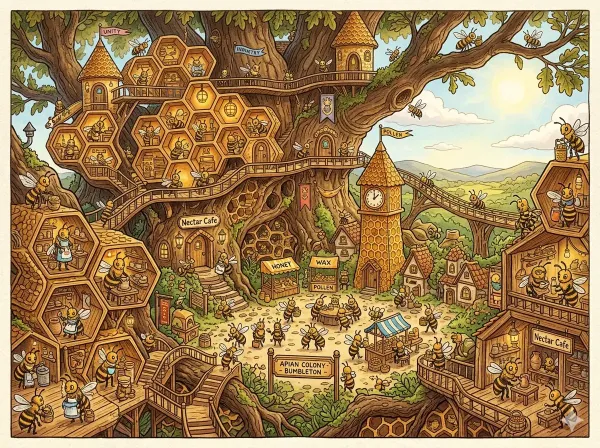
African proverb of the day: 'The earth is a beehive, we all enter by the same door.' Here's meaning, relevance, teachings and life lessons from the proverb. AI generated image
Understanding shared humanity and equality
The proverb explains shared humanity. Every person belongs to the same human family. Differences in wealth, culture, and status do not change this truth. It reminds people that all human beings share the same earth. No one owns the world alone. Everyone depends on the same environment and social systems.Equality is a central teaching of the proverb. Birth is the “same door” for everyone. This message encourages respect and humility. The proverb asks people to see others as equals. It also promotes fairness and community thinking.
Diversity of life paths and individuality
The proverb also speaks about diversity. Bees live in different cells inside the hive. In the same way, people live different lives. Every person has a unique path. People choose different careers, beliefs, lifestyles, and goals. These differences create diverse societies. The proverb explains that diversity does not break unity. Instead, diversity exists inside shared humanity. This message encourages respect for individuality. It teaches people to accept different perspectives and experiences.Shared destiny and interconnectedness
The beehive metaphor shows how life is connected. If the hive is damaged, all bees are affected. This reflects human society. People share the same planet. Environmental issues, social problems, and global challenges affect everyone. The proverb reminds people that actions have shared consequences. Cooperation becomes important for survival and progress. This lesson promotes responsibility and teamwork in communities and across nations.Why the proverb is relevant today?
The proverb remains relevant in modern society. Global communication connects people across continents. Travel and technology create a global community. The message of unity and empathy is important during social conflicts and global challenges. The proverb encourages dialogue and understanding. It is often used in discussions about human rights, social equality, and community building. The proverb teaches that division harms shared progress. Cooperation supports shared growth.Cultural context and social teachings
African proverbs carry cultural wisdom passed through generations. They are used in conversations, teaching, storytelling, and conflict resolution. This proverb promotes togetherness and understanding. It encourages people to focus on connection instead of division. It also supports humility. The proverb reminds people that everyone shares the same starting point in life. These teachings make the proverb useful in education, leadership, and community discussions.Other inspiring African proverbs you should know
African wisdom includes many proverbs that teach life lessons:“Do not look where you feel. Look where you slipped.”
This proverb teaches reflection and learning from mistakes. It encourages people to focus on causes rather than blame.
“Tomorrow belongs to people who prepare for it today.”
This proverb teaches preparation and planning. It explains that future success depends on present action.
“He who digs a grave for his enemy might as well be digging one for himself.”
This proverb teaches responsibility and consequences. Harmful actions often return to the person who started them.
Together, these proverbs highlight reflection, preparation, responsibility, unity, and shared destiny.
Lessons people can apply in daily life
The proverb offers practical lessons:- Treat others with respect and empathy
- Accept diversity and individuality
- Work toward unity and cooperation
- Recognize shared responsibility for the world
- Focus on community and connection
These lessons help build stronger societies and relationships.