Top News

Kidney Disease Often Shows No Early Signs, Doctors Urge Awareness
ABP Live Lifestyle | June 1, 2026 8:11 PM CST
Kidney disease often develops quietly, without any clear warning signs. Doctors warn that by the time symptoms appear, the condition may already be serious, so regular check-ups and a healthy lifestyle really matter.

Many people think the body always gives signals before a major illness, but kidney disease doesn’t usually work that way. Doctors often call it a “silent disease” because the kidneys can keep working even while getting damaged. These organs are doing important jobs all the time, cleaning the blood, removing waste, balancing fluids, and helping control blood pressure but problems can build up without you feeling anything unusual.

Experts say this is what makes kidney disease so tricky. The kidneys are strong and keep functioning even when they are under stress, so the damage can go unnoticed for a long time.

Why Doctors Call It A ‘Silent Killer’

Kidney disease usually develops slowly. In the early stages, there may be no obvious symptoms at all, so people often feel completely fine. By the time it is finally picked up, sometimes during a routine test, the kidneys may already be badly affected. In some cases, treatment like dialysis is needed quite suddenly. That’s why doctors stress not waiting for symptoms to show up.

When It Is Found Late, It Affects The Whole Family

Finding out about kidney disease late can be overwhelming. Many patients are shocked because they felt healthy just days earlier. From there, life can change quickly; regular treatment, lifestyle adjustments, and financial pressure can all come at once. It’s not just the patient who feels it, but the whole family.

Who Should Be More Careful

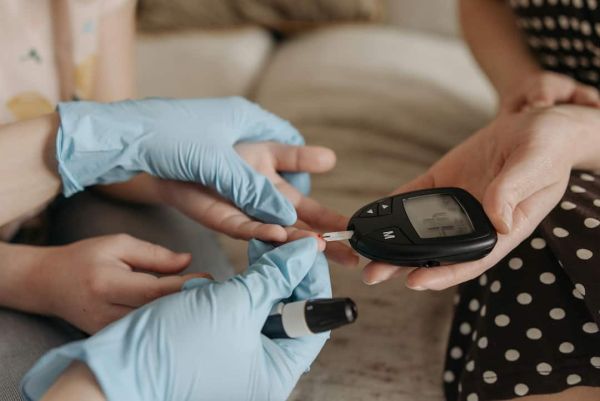
People with diabetes, high blood pressure, heart problems, obesity, a family history of kidney disease, smokers, and those over 60 are at higher risk. Doctors usually advise them to get kidney function tests done regularly.

The good news is that protecting your kidneys isn’t complicated. Keeping blood sugar and blood pressure under control, drinking enough water, eating less salt, staying active, avoiding smoking and too much alcohol, and not overusing painkillers can make a big difference. Doctors keep repeating one thing: don’t wait for symptoms. Catching the problem early gives you the best chance to protect your kidneys for the long run.


READ NEXT
Cancel OK