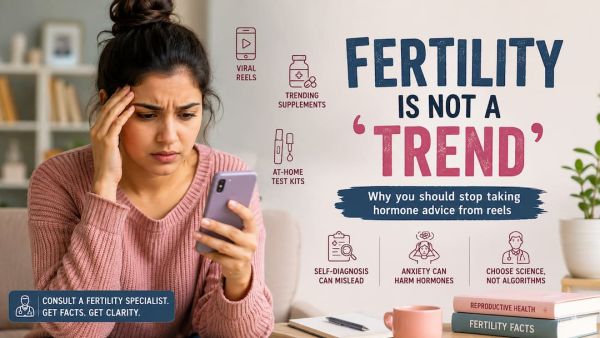
The other day, a 27-year-old walked into my OPD clutching her phone. "Doctor, I think I have PCOS, low progesterone, oestrogen dominance, and a leaky gut," I asked, referring to where she got the diagnosis. Instagram, of course. Three reels deep.
The Rise Of Social Media Hormone Advice
This is the new normal. Every week, more young women are walking in with a fully-formed hormonal "diagnosis" courtesy of wellness influencers, and a lot of fear that didn't need to be there in the first place. The "hormone health" trend has exploded online. Cycle syncing your workouts. Seed cycling for fertility. "Cortisol face." Adaptogen lattes. AMH home test kits are ordered like skincare. Influencers, most without any medical training, are confidently telling 24-year-olds that occasional acne or one missed period means their fertility is "collapsing." It isn't.
What Fertility Experts Actually See
Here's the truth from inside an IVF clinic: most of these viral fixes are harmless at best and misleading at worst. Seed cycling has no randomised trial supporting fertility benefits. "Cortisol detoxes" aren't a real medical concept. A single AMH value, ripped out of context, tells you almost nothing about whether you can conceive next year. And self-diagnosing PCOS without an ultrasound, a clinical exam, and proper bloodwork leads young women to overhaul their entire lives chasing a condition they may not even have.
The Hidden Cost Of Online Misinformation
The real damage is twofold. First, women are losing precious time. They spend months on Amazon supplements and elimination diets, while an actual underlying issue, a tubal block, endometriosis, a thyroid problem, or a partner-side factor, goes undiagnosed. Second, the anxiety itself becomes a hormonal disruptor. I've seen perfectly healthy 28-year-olds convinced their fertility is "running out" because an algorithm told them so.
When To Seek Real Medical Help
If you're under 30 and your cycle is regular, please breathe. Eat well, sleep well, move your body, and stop scrolling diagnostic content at 2 a.m. If you've been trying for over a year (or six months if you're 35+), or your periods are genuinely irregular, see a fertility specialist, not a 60-second reel. One proper consultation, an ultrasound, and the right hormonal panel will give you more clarity than 100 wellness gurus combined.
Trust Science, Not Social Media
Your fertility deserves science. Not an algorithm.
-
2026 World Cup: Kylian Mbappe’s Dream, His Fans in Palangka Raya, and the Messi vs Ronaldo Rivalry
-
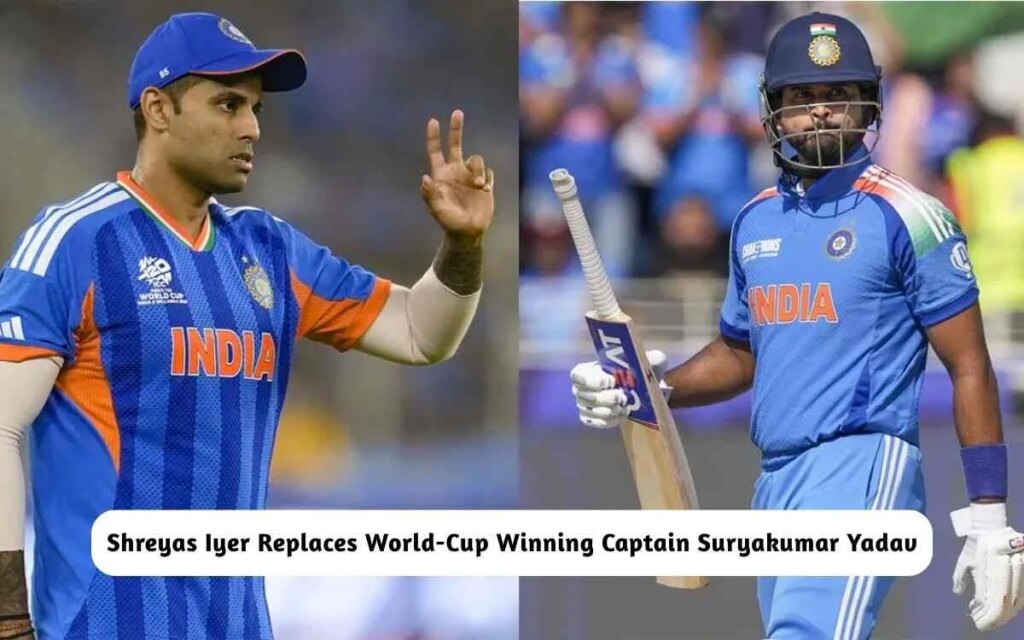
India T20 Squad Revealed: Shreyas Iyer Takes Over Captaincy from Suryakumar Yadav
-
The broke student’s ultimate guide to exploring Hyderabad

-
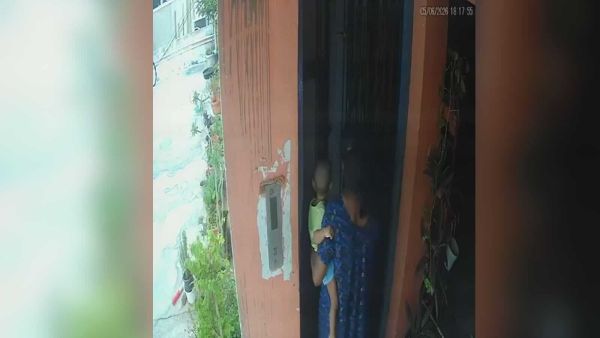
Woman falls down lift shaft with grandson in Hyderabad, dies
-
Iran’s World Cup team approved for visas to play games in the US