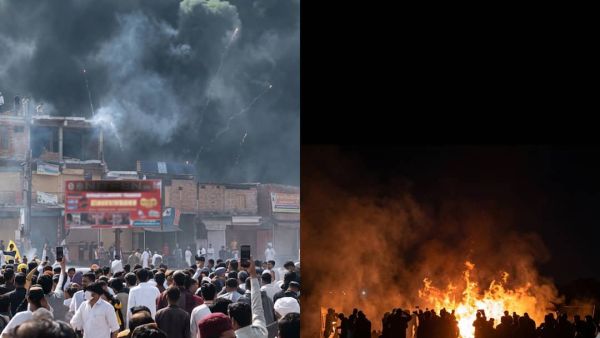
Fresh tensions are sweeping across Pakistan-occupied Kashmir (PoK) as activists, opposition groups, and members of the Kashmiri diaspora intensify criticism of authorities over their handling of ongoing protests. The unrest, centered around Rawalakot but spreading to several other towns, has triggered allegations of mass arrests, internet restrictions, and excessive use of force.
The Joint Awami Action Committee (JAAC), which has emerged as the leading force behind the demonstrations, has called for a region-wide protest on June 9. The organisation says public frustration has reached a tipping point amid growing concerns over governance, civil liberties, and political representation.
Activists Allege Hundreds Detained
According to JAAC leaders, security agencies have detained more than 450 people during the past six days as authorities sought to contain demonstrations across the region. The group has also claimed that several activists remain unaccounted for following protests outside the Combined Military Hospital (CMH) in Rawalakot.
Human rights concerns have become a central issue in the movement, with activists accusing authorities of carrying out raids and arbitrary detentions. While these allegations have circulated widely, many of the claims remain independently unverified.
The Awami Action Committee has further alleged that the death toll linked to Sunday's violence in Rawalakot has climbed to 35. Official figures, however, paint a different picture, with authorities reporting at least seven fatalities, including four members of the security forces, during clashes between protesters and law enforcement personnel.
Communication Blackouts Add To Public Frustration
Local groups have also raised concerns over disruptions to internet and mobile services across multiple areas, including Muzaffarabad, Rawalakot, Poonch, Mirpur, and Neelum Valley. Protest leaders argue that the communication restrictions have aggravated tensions and made it more difficult for residents to share information about developments on the ground, as per a report on News 18.
The unrest has also attracted attention beyond the region. Overseas Kashmiri organisations have organised demonstrations in countries including the United Kingdom and the United States, calling for greater international attention to the situation and accusing Pakistan's civil-military establishment of suppressing dissent.
Protest Voices Reflect Growing Discontent
Videos circulating on social media have highlighted the anger among demonstrators. In one widely shared clip, a young Kashmiri woman said that if they ask for wheat and electricity they were given bullets instead.
Another prominent voice from the protests, Saqib Ilyasi, expressed frustration over the treatment of demonstrators, saying that they were humiliated, oppressed and it was better for them to kill everyone.
Protest organisers have described their campaign as an “Ailan-e-Jang”, a declaration of war for rights, dignity, and accountable governance.
Political Tensions Continue To Escalate
The latest unrest comes after the Supreme Court of Pakistan-administered Kashmir upheld constitutional protections for 12 legislative seats reserved for Kashmiri refugees residing in Pakistan. Activists argue that the ruling intensified existing political grievances and contributed to the current wave of protests.
The confrontation in Rawalakot, where demonstrators allege Pakistani Army personnel and Rangers opened fire on crowds, has prompted comparisons from some activists to earlier chapters of Pakistan's political history. Protest leaders warn that failing to address public concerns could deepen resentment and further destabilise the region.
-
Man Utd set to make move for Tottenham captain Cristian Romero as next signing after Ederson deal
-
Manchester United push ahead in Mateus Fernandes pursuit as West Ham raise asking price

-
Manchester United confident of landing Elliot Anderson and overtaking City in £100m chase for England midfielder

-
France Player Ratings vs Northern Ireland: Michael Olise Proves World Cup-Ready with a Hat-Trick as Didier Deschamps’ Side Finish Warm-Ups in Style

-
Kylian Mbappe faces the same ‘superstar’ challenge at Real Madrid as Cristiano Ronaldo, says Rafael van der Vaart amid ‘arrogant’ criticism of the French striker