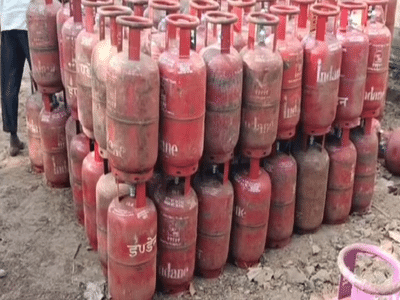
Government Continues to Shield Consumers as Global LPG Prices Surge and Supply Costs Cross ₹1,600 per Cylinder
Despite a sharp rise in global energy prices and increasing import costs, Indian households continue to enjoy some of the most affordable LPG prices in the world. While the actual cost of delivering a standard 14.2 kg domestic LPG cylinder has climbed significantly, consumers are still paying much less than the market-driven cost due to government support and subsidies.
According to industry estimates, the total cost of procuring and supplying a domestic LPG cylinder has now crossed ₹1,600 per unit. However, retail consumers are paying considerably lower prices, creating a substantial gap between the actual cost and the selling price.
This difference, commonly referred to as under-recovery, is being absorbed by the government and public sector oil marketing companies (OMCs) to protect consumers from the full impact of rising international energy prices.
Why Are LPG Costs Rising?Global LPG prices have been under pressure due to continued volatility in international energy markets.
One of the major reasons behind the increase is the disruption and uncertainty surrounding energy shipments through the Strait of Hormuz, one of the world's most important energy transportation routes.
Any disturbance in this strategic corridor directly affects global fuel supply chains, leading to higher import costs for countries that rely heavily on energy imports, including India.
As a result, the gap between the actual procurement cost and the subsidized retail price of LPG has widened considerably in recent months.
Latest Domestic LPG Cylinder PricesHere are the updated prices of a 14.2 kg domestic LPG cylinder in major Indian cities:
| Delhi | ₹942.0 |
| Mumbai | ₹941.5 |
| Kolkata | ₹968.0 |
| Chennai | ₹957.5 |
| Bengaluru | ₹944.5 |
| Lucknow | ₹979.5 |
| Patna | ₹1,031.5 |
Commercial LPG users continue to pay significantly higher rates than domestic consumers.
| Delhi | ₹3,113.5 |
| Mumbai | ₹3,067.5 |
| Kolkata | ₹3,256.0 |
| Chennai | ₹3,283.0 |
| Bengaluru | ₹3,198.0 |
| Lucknow | ₹3,236.0 |
| Patna | ₹3,400.5 |
The Petroleum and Natural Gas Ministry has highlighted a significant increase in international LPG benchmark prices over the past few months.
The Saudi Aramco Contract Price (CP), which serves as a key global benchmark for LPG imports, has risen substantially:
| February 2026 | $542.50 per tonne |
| April 2026 | $775 per tonne |
| June 2026 | $790 per tonne |
The increase reflects higher prices for both propane and butane, the two primary components used in LPG production.
These rising global benchmarks have directly increased India's import bill, putting additional pressure on domestic LPG pricing.
Why Consumers Are Still Paying LessAlthough international LPG costs have risen dramatically, domestic consumers have been largely shielded from the full impact.
Recent estimates indicate that the actual supply cost of a domestic LPG cylinder exceeds ₹1,600, while consumers in major cities are paying between ₹940 and ₹1,030.
This creates an under-recovery of roughly ₹700 per cylinder in some cases.
The government and oil marketing companies continue to absorb a significant portion of this difference to keep household fuel affordable.
Growing Burden on Oil Marketing CompaniesThe financial impact of subsidized LPG pricing has increased considerably.
Government data indicates that the cumulative under-recovery on domestic LPG is expected to rise sharply, creating a substantial burden on public sector oil companies.
To help offset these losses and ensure uninterrupted supply, the government has approved a compensation package worth ₹30,000 crore for public sector oil marketing companies.
The move aims to maintain affordability for consumers while supporting the financial stability of fuel retailers.
Recent Price Hike Still Leaves LPG Below Market CostDomestic LPG cylinder prices were recently increased by approximately ₹29. However, even after the revision, retail prices remain significantly below the actual procurement and distribution cost.
For example, the current price of a 14.2 kg domestic LPG cylinder in Delhi stands at ₹942, which is still far lower than its estimated market-based supply cost.
This means consumers continue to receive indirect support through controlled pricing mechanisms.
What Lies Ahead for LPG Prices?Future LPG prices will depend on several global factors, including:
- International crude oil trends
- Saudi Aramco LPG benchmark prices
- Developments in the Middle East
- Supply conditions in the Strait of Hormuz
- Exchange rate movements
- Government pricing policies
Any sustained increase in global energy prices could continue to put pressure on India's LPG subsidy and pricing framework.
Bottom LineEven as global LPG prices surge and the cost of delivering a domestic cylinder crosses ₹1,600, Indian consumers continue to benefit from some of the lowest household LPG prices globally. Government support and compensation to oil marketing companies have helped keep retail prices affordable despite rising international costs.
For now, households continue to receive significant protection from global fuel market volatility, although future price movements will largely depend on international energy trends and government policy decisions.
-
Bengal will be central to new land port development plans: LPAI

-
Lucknow 'missing woman' case: Father alleges abduction, conversion bid; cops find no evidence

-
Outsourcing system should be efficient, transparent and accountable: UP CM

-
6 women develop complications after C-section deliveries at Bikaner hospital; probe ordered

-
Five new volvo buses to ferry Punjab passengers to Delhi airport