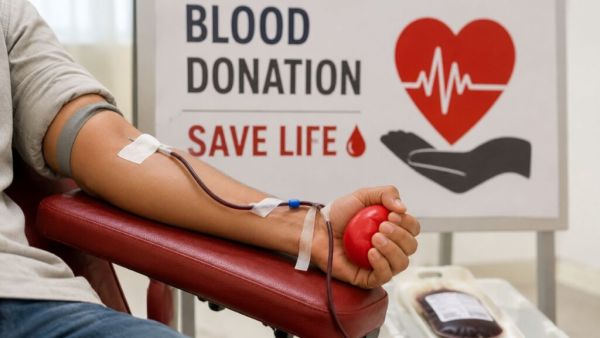
Every two seconds, a person needs blood in the country. This figure is not just a statistical information but a reality to the lives of many patients. This person may be a sick child suffering from thalassemia, a mother with complications during delivery, a cancer patient undergoing chemotherapy or a person injured in a road accident and in urgent need of blood. Many of these fears and doubts are based on misconceptions that have been prevalent for years. Although there have been great advances in medical science and blood bank management, old and incorrect beliefs about blood donation still deter many healthy people from donating blood. About this Dr. Snehal Mujumdar, Director Blood Bank, Ruby Hall Clinic, Pune Detailed information given by(Photo Courtesy – AI)
Tooth decayed by eating tobacco will be clean within a week! Use Rs 5 alum in ‘this’ way, dental problems will disappear
blood It is the “life-giving substance” of the body. It is also often referred to as the “fluid organ” of the body. It cannot be produced artificially and can only be obtained from another person. An unborn baby may require blood during certain medical procedures, while on the other hand, senior citizens undergoing complex surgeries may also require blood. Age, caste, religion or creed does not matter for donating blood. It is a precious gift for life that saves many lives from new born babies to senior citizens.
Many people who want to donate blood fear contracting an infectious disease during the blood donation process. However, this is scientifically impossible. Sterile and single-use materials are used in the blood donation process. A new blood bag and a fully sterilized new needle are used for each blood donor. So the risk of any infection from blood donation is almost negligible.
Another very common misconception about blood donation is that the body is weakened for a long time after donating blood. Many feel that the blood lost during blood donation is not replenished quickly and the body remains weak for many years. In fact, only 350 ml or 450 ml of blood is taken during a blood donation (depending on the weight of the donor), while the human body normally contains five liters of blood. Hence the amount of blood lost is very less. Replenishment of body fluids takes about a day, while red blood cell regeneration is completed in a few months. After donating blood, it is important to have a nutritious diet and maintain the balance of body fluids. Before donating blood, trained medical personnel are required to provide complete and honest information about their health.
Fear of pain is also an important factor keeping many away from donating blood. Many stories about large needles, painful procedures and suffering during blood donation are prevalent among people. So many people hesitate to participate in blood donation camps. But actually donating blood only feels a slight pinch like an injection or an ant bite. The entire blood donation process usually takes five to ten minutes and is painless for most people.
There are many misconceptions about blood donation even among people who are on medication. Many people think that once the medication is started, they cannot donate blood. But actually it depends on the disease concerned and the medicine being taken. For example, many individuals taking medication to control blood pressure can safely donate blood after the necessary medical examination. Therefore, it is very important to give full information to the medical staff about the medications you are taking and your medical condition.
Similarly, there are many misconceptions about blood groups. Many blood donors with normal blood groups such as O positive or B positive feel that the blood banks have sufficient stocks of these blood groups and therefore there is no special need for their blood donation. But the fact is opposite. These blood groups are the most common and most patients require these blood groups. Therefore, the demand for blood of these blood groups is constantly high.
Some people with Rh-negative blood type feel that their blood is only needed in life-threatening emergencies, so they should not rush to donate blood. But this understanding is completely wrong. Blood donation is not a process that is done only when the need for blood arises or after a call from the blood bank. Donated blood goes through several important processes before it can be used for patients. This includes blood group determination, blood cell isolation, tests for infectious diseases like HIV, hepatitis C and other necessary tests. All these processes take a few hours. Therefore, blood banks have to maintain adequate stocks of all blood groups, especially rare blood groups, at all times.
Many misconceptions about blood donation are still prevalent in rural and semi-urban areas. A common misconception about men is that after donating blood, their strength, libido or virility is affected. But these beliefs have no scientific basis. The main function of blood is to carry oxygen and nutrients to various organs of the body. Masculinity, fertility or sexual ability have nothing to do with blood volume.
Another deep-rooted misconception is that vegetarians don’t have enough blood to donate. According to nutritionists, a balanced vegetarian diet that includes pulses, green leafy vegetables, whole grains and dairy products provides the body with essential nutrients and helps in healthy blood formation. Hemoglobin is checked before blood donation to determine whether the donor is eligible for blood donation or not. So a vegetarian diet cannot be a basis for not donating blood.
There are many misconceptions about women’s blood donation. Some people think that physically women are not suitable for donating blood. Actually healthy women can donate blood safely. They may be temporarily prohibited from donating blood in certain circumstances during post-partum period, breastfeeding period or menstruation; But at other times women can donate blood completely safely.
One of the strangest misconceptions about donating blood is that blood has an identity of religion, caste or diet. Some people feel that whether the blood donor is vegetarian or non-vegetarian, Hindu or Muslim, Christian, Brahmin or Dalit affects the blood. In reality blood has no distinction regarding religion, caste or diet. After blood donation only blood group compatibility is important and it is checked according to scientific criteria.
Donors also get some benefits of blood donation. Regular blood donors get a chance to get basic health check ups like Hemoglobin free every time. After donating blood, the body continues to make new blood. But the greatest satisfaction for most blood donors is the feeling that they have contributed to saving someone’s life.
Such superstitions and misconceptions increase the stress on blood vessels. If a large number of people do not donate blood, the blood supply becomes depleted and treatment becomes difficult. During periods of blood shortage, some patients may have to postpone blood transfusions, and emergency situations can pose serious problems. Although medical science is constantly advancing, the importance of voluntary blood donation remains the same today. Therefore, it is very necessary to remove the misconceptions about blood donation and create more awareness in the society.
Constantly itchy body due to high blood sugar? Include these fruits in your diet to reduce the risk of diabetes
The truth is very simple. Blood donation is safe, easy and saves many lives. Proper information and awareness can reduce the fear in people’s minds, more people can come forward to donate blood and many precious lives can be saved with very little effort. Because somewhere in the country, someone is still waiting for blood.
-
Hyderabad: 67-yr-old woman dies in accident while crossing road

-
Karimnagar: Medicines worth Rs 5.51L seized from illegal shop
-
Israel set to approve USD 350M plan for 61 West Bank settlements

-
Third ship carrying Indians catches fire off Oman coast

-
Isha Rikhi finally confirms she is Badshah’s wife, shares photo