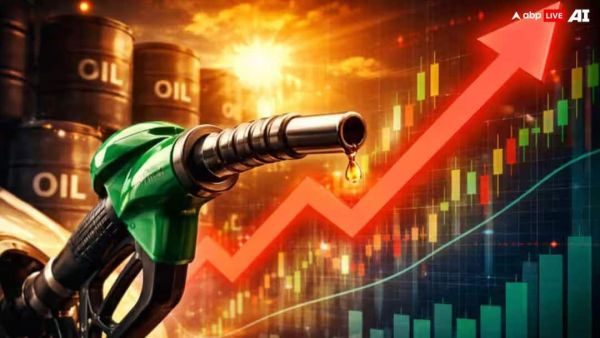
A sharp decline in global crude oil prices is giving investors fresh reasons to cheer India's state-run oil marketing companies.
Shares of Hindustan Petroleum Corporation Ltd (HPCL), Bharat Petroleum Corporation Ltd (BPCL) and Indian Oil Corporation Ltd (IOCL) moved higher on Wednesday as crude prices continued to retreat, easing concerns over energy costs and improving sentiment around the sector.
The rally comes at a time when global markets are closely tracking developments surrounding a proposed US-Iran agreement that could reshape oil supply dynamics and reopen one of the world's most critical energy corridors.
Oil Prices Take A Breather
For months, elevated crude prices and geopolitical uncertainty have weighed on global markets. That pressure is now beginning to ease.
International benchmark Brent crude slipped below the $80-per-barrel mark and hovered near a three-month low after witnessing a steep correction over recent sessions. US benchmark West Texas Intermediate (WTI) crude also remained under pressure, trading near $75 per barrel after declining around 1 per cent during the day.
The latest move follows growing optimism that a proposed agreement between the United States and Iran could lead to increased Iranian crude exports and reduce concerns over global supply disruptions.
Reports suggest the interim arrangement may allow Iran to resume crude oil sales while creating a framework for wider negotiations covering regional hostilities and Tehran's nuclear programme.
Why The Strait Of Hormuz Matters
One of the biggest factors driving market optimism is the possibility of smoother energy flows through the Strait of Hormuz.
The strategically important shipping route handles a substantial portion of global oil trade and has been at the centre of energy market concerns during the recent conflict.
Market participants believe the proposed arrangement could facilitate the reopening of the Strait of Hormuz and improve the movement of merchant vessels through the region, reducing supply risks and helping stabilise energy markets.
For major oil-importing countries such as India, developments in the Gulf have direct implications for inflation, fuel costs and economic growth.
HPCL, BPCL And IOC Lead The Gains
The easing crude price environment translated into gains for India's oil marketing companies during Wednesday's trading session.
Shares of HPCL rose as much as 2.26 per cent to touch an intraday high of Rs 410.45 on the BSE.
BPCL emerged as another major gainer, advancing 2.46 per cent to an intraday high of Rs 319.50.
Meanwhile, IOCL climbed 1.61 per cent and touched Rs 147.45 during the session.
The gains reflect investor expectations that lower crude prices could improve profitability and reduce pressure on fuel retailers.
A Big Relief For India's Economy
The decline in oil prices is not only positive for OMC stocks but could also ease broader macroeconomic concerns.
According to market experts, Brent crude has fallen by around 16 per cent over the past five days to approximately $79 per barrel.
That decline significantly reduces worries around India's balance of payments (BoP) position, particularly at a time when energy imports remain a major component of the country's import bill.
Lower crude prices can also help moderate inflationary pressures, support the rupee and improve fiscal stability.
Foreign Investor Sentiment Improving
Analysts also point to another encouraging trend emerging alongside the decline in crude prices.
Foreign institutional investor (FII) outflows have begun to moderate, providing additional support to market sentiment.
Experts noted that the strengthening rupee has helped improve investor confidence and could encourage further stability in foreign portfolio flows if the trend continues.
A stronger domestic currency also reduces the cost of energy imports, creating another positive tailwind for the economy.
The rally in HPCL, BPCL and IOCL highlights how closely Indian markets remain tied to global energy developments.
While the proposed US-Iran agreement is yet to be fully implemented, investors are already beginning to price in the possibility of improved oil supplies, lower energy costs and a more stable macroeconomic environment.
-
Shubh Laabh: This leaf can open the way for financial gain, just know the right way to keep it in the purse.
-
Z.ai Iaunches GLM 5.2

-
Apple can launch AirPods with camera along with foldable iPhone on its 20th anniversary, know its features

-
Commodore Callback 8020 flip phone with Sailfish OS unveiled as ‘digital detox’ smartphone

-
WhatsApp Update: The wait for desktop users is over! Now WhatsApp calling will be done from the laptop… Testing of the new feature has started