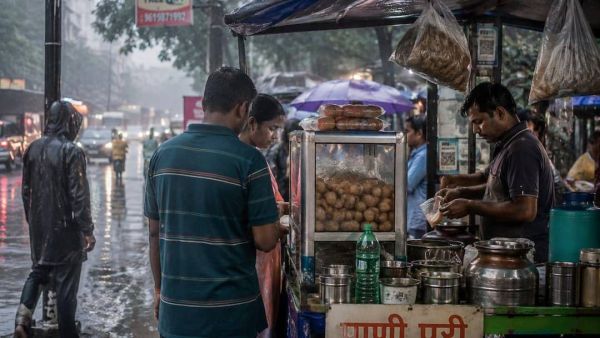
While the monsoon's arrival offers much-needed respite from the extreme heat, it also fosters the growth of germs, fungus and other dangerous microbes. Dietary decisions are especially crucial during the rainy season because of the increased danger of food contamination caused by increased humidity, stagnant water and temperature fluctuations. The World Health Organisation (WHO) reports that millions of people worldwide suffer from foodborne illnesses every year with tainted food and water being frequent sources of infection. Adopting healthy eating practices during the monsoon can help lower the risk of seasonal infections, food poisoning and stomach issues, according to medical professionals.
Street Food May Carry Higher Risks
One of the most prevalent recommendations during the monsoon is to reduce the consumption of street food. Experts warn that food made in open spaces may be exposed to contaminated water, dust and airborne microbes, despite the allure of famous snacks like chaat, golgappas and fried delicacies.
Chutneys, sauces and raw garnishes used in street food might degrade more quickly in humid environments, according to public health experts. The risk of gastrointestinal illnesses may also be increased by eating food that has been prepared with unsanitary water.
Raw Leafy Vegetables Require Extra Caution
When eating raw green vegetables during the rainy season, nutritionists frequently recommend exercising extra caution. It can be challenging to fully eradicate dirt, bacteria and insect larvae from spinach, lettuce, cabbage and other greens.Vegetables can be thoroughly cleaned and cooked to greatly lower the danger of infection, according to food safety experts. You should be cautious when handling salads made outside the house, especially if you don't know where the water used for cleaning came from.
Avoid Cut Fruits And Uncovered Foods
Additionally, experts advise against purchasing precut fruits from roadside vendors. Bacterial development on cut surfaces can be promoted by exposure to moisture and warm temperatures, particularly when fruits are kept uncovered for extended periods of time. In a similar vein, food kept outdoors may draw flies and other insects that can carry pathogens. Whenever feasible, healthcare providers recommend selecting freshly cooked meals and eating them right away.
Seafood And Excessively Oily Foods Deserve Attention
Limiting seafood consumption during the monsoon, especially from dubious sources, is advised by several nutrition experts. Seasonal variations can raise the possibility of contamination in some seafood products and have an impact on water quality. In humid weather, foods that are heavy, greasy or deep-fried may also be more difficult to digest. Dietitians claim that eating too many of these meals might lead to indigestion, bloating and digestive pain, especially in people with sensitive stomachs.
Eating Smart And Staying Safe During The Monsoon
Freshly prepared meals, seasonal fruits that can be peeled at home, soups, whole grains and foods high in vitamins and antioxidants are the safest options during the rainy season, according to nutrition experts. Safe eating practices are especially crucial during times of high humidity and rains, as the World Health Organisation (WHO) has observed that foodborne illnesses frequently rise when food and water get polluted. In order to lower the risk of illnesses, health professionals often stress the significance of drinking clean, safe water and practicing good kitchen cleanliness. Monsoon-related illnesses can be considerably reduced by taking simple precautions including frequent hand washing, proper food storage and avoiding stale leftovers.
While choosing freshly cooked foods and being aware of goods that decay quickly can help safeguard digestive health and general wellbeing throughout the monsoon months, experts advise there is no need to completely avoid certain food groups during the rainy season.
-
Heart Rate: Is sudden increase in heart beat an alarm bell? Know when it is normal and when you should immediately consult a doctor

-
Easy home remedies for cleaning doors

-
Dominance of Indian players in ICC rankings, Shubman Gill became world number-2 ODI batsman, after 36 years the player of this team created history.

-
Shadab Chauhan said- ‘Akhilesh Yadav, who remained silent on the Muslims of UP, jumped to save the BJP CM’

-
From fish sauce to fruit trees: Vietnamese couple brings homeland flavors to Greece