
American service members who sustained injuries during the conflict with Iran have voiced concerns that military officials are downplaying the extent of their injuries, as reported in interviews with a major news outlet. This revelation follows comments made by Defence Secretary Pete Hegseth in March, where he stated that nearly 90% of the approximately 400 injured personnel had only experienced "minor injuries" and many had resumed their duties.
Among those affected is Chief Warrant Officer Rodney Bearman, who was injured by shrapnel from an Iranian drone strike on his command center in Port Shuaiba, Kuwait, on March 1. This attack resulted in the deaths of six US service members and left 20 others injured. Despite the severity of his injuries, the Army classified Bearman as "not seriously injured." However, medical records reviewed indicated he suffered from a concussion, lung damage, and both hearing and vision impairments. His wife, Amy Bearman, expressed her dissatisfaction with the Army's assessment, stating, "That assessment is unacceptable." She recounted a phone call with her husband shortly after the incident, where he struggled to confirm his ability to return to duty.
Another soldier affected by the same incident, Sgt. 1st Class Cory Hicks, reported suffering from severe shrapnel injuries and has undergone several surgeries. He revealed that the Army had informed his wife that his injuries were classified as "minor." Hicks firmly believes that the Army and Pentagon have attempted to minimize the seriousness of the attack. After receiving initial treatment in Kuwait, he was moved to a hospital in Germany and later to Walter Reed National Military Medical Center in Maryland. He has spent weeks in a recovery unit due to a significant traumatic brain injury and may require additional months of care.
Interestingly, it was noted that President Donald Trump did not visit any of the 14 injured service members at Walter Reed during his recent visit for a physical examination. In response to the allegations of a cover-up, the Army denied any wrongdoing, suggesting that families might have misunderstood the terms "not seriously injured" and "combat casualty." The Army clarified that personnel are only classified as "seriously injured" or "very seriously injured" if there is a substantial risk of death from their injuries within 72 hours. An Army spokesperson emphasized, "The care and well-being of our Soldiers is of the highest priority," and dismissed claims that the Army seeks to downplay injuries as false.
-
FIFA World Cup 2026: Jeremy Doku Rejoins Belgium Squad After Birth Of Son, Receives Warm Welcome From Teammates

-
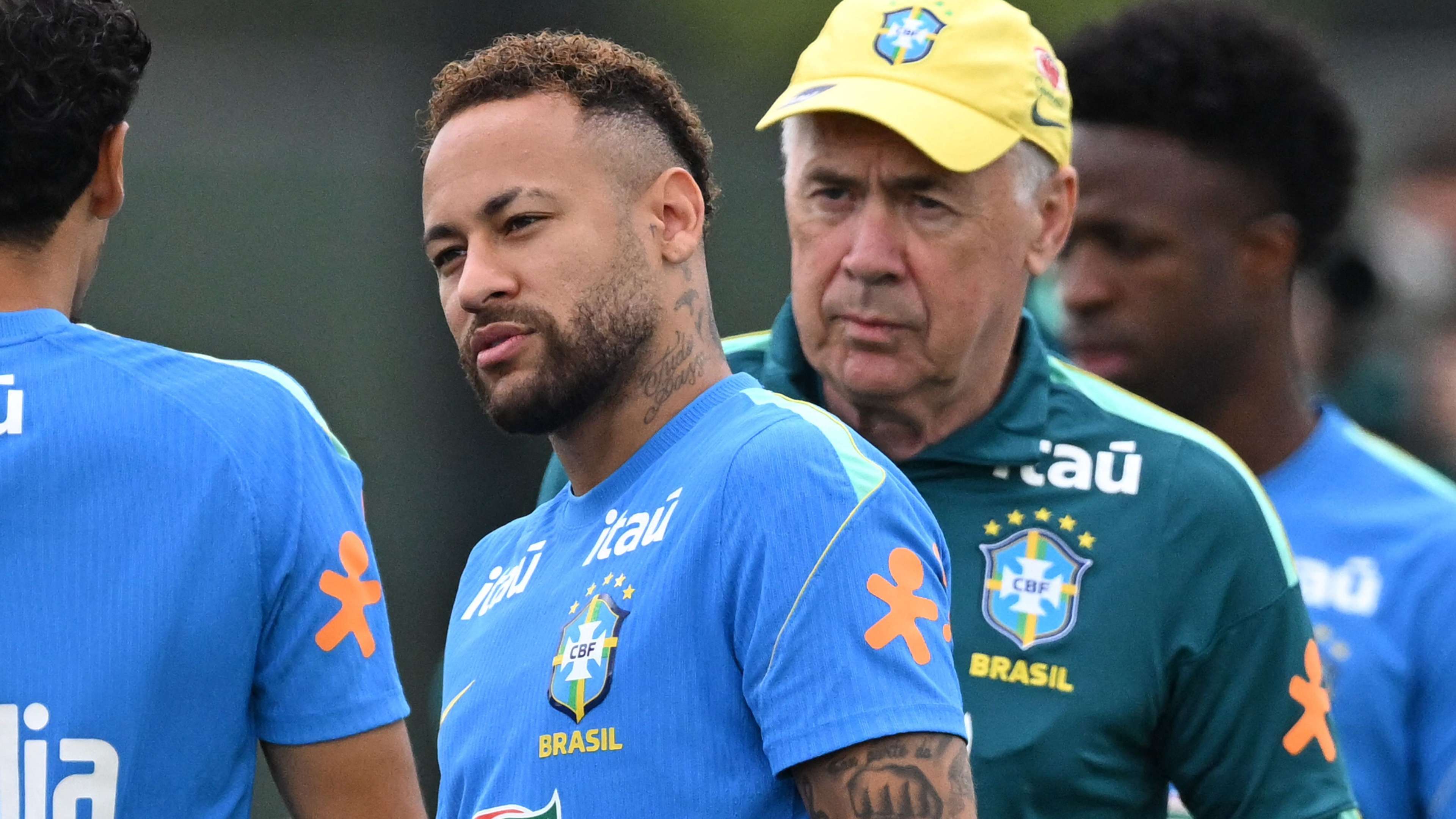
Carlo Ancelotti confirms Neymar is fully fit to play entire 90 minutes against Scotland as Brazil star overcomes calf injury
-
Rio Ferdinand backs Marcus Rashford to start for England after strong World Cup cameo

-
Scotland’s Potential Path to the 2026 World Cup Final

-
ITV Commentators, Analysts, and Presenters Confirmed for Switzerland vs Canada World Cup Clash