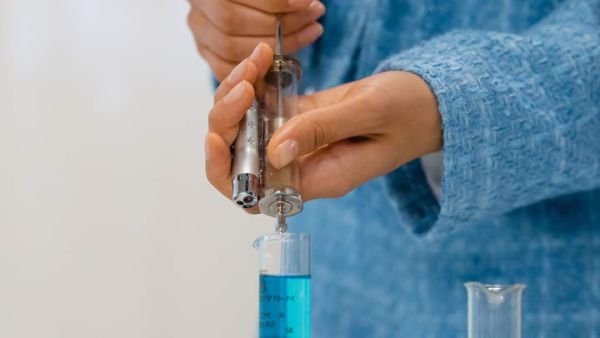
The sight of a doctor removing air bubbles from a syringe before an injection is familiar to most people. But it has also fuelled a long-standing belief that even a small amount of air entering the body through an injection can be deadly. Is this fear medically justified, or is it one of the many health myths that refuse to go away?
Can A Small Air Bubble Be Dangerous?
When air enters a blood vessel and blocks blood flow, the condition is known as an air embolism. This can be serious if a large amount of air enters the bloodstream or if it travels to critical organs such as the brain, heart, or lungs.
That is why healthcare professionals are careful to remove air from syringes and IV lines before using them.
What Do Experts Say?
According to information published by Medical News Today, tiny amounts of air that accidentally enter a vein are usually absorbed by the body without causing any major problems. In most routine injections, a small air bubble is not enough to trigger a life-threatening situation.
Problems typically arise only when a significant amount of air enters the bloodstream. In such cases, blood flow can become blocked, which may lead to serious complications and, in rare circumstances, can be fatal.
When Is The Risk Higher?
The risk of an air embolism increases during specialised medical procedures where air can accidentally enter a blood vessel directly. This is more likely to occur during certain surgeries, the insertion or removal of central venous catheters, dialysis, and other complex treatments that involve direct access to the bloodstream.
By contrast, routine injections administered into a muscle or beneath the skin are far less likely to cause such complications. In these cases, any tiny air bubbles are typically absorbed by the body's tissues and do not pose the same level of danger as air entering a vein during advanced medical procedures.
The idea that a tiny air bubble in an injection can instantly cause death is largely a myth. While air entering the bloodstream should never be ignored, small bubbles seen in routine injections are usually harmless. Even so, doctors and nurses continue to take every precaution to keep patients safe, which is why they carefully remove air from syringes before administering an injection.
Disclaimer: The information provided in the article is intended for general informational purposes only. It is not a substitute for professional medical advice, diagnosis, or treatment. Always seek the advice of your physician or other qualified healthcare provider with any questions you may have regarding a medical condition
-
Emotional Neymar Returns to Brazil Line-up as Selecao Secure World Cup Progression

-
'Belief beats doubt' – Christian Pulisic determined to contribute as injury fails to slow USMNT’s flawless World Cup run

-
How countries live with earthquakes and build resilience
-
Arunachal flash floods: Hunt on for 4 missing as Assam sounds high alert

-
Devastating Earthquake Hits Venezuela, Thousands Affected