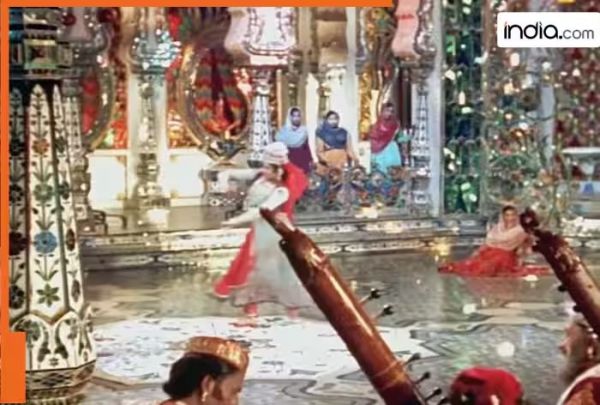
Mughal-e-Azam released in 1970 continues to stand as one of the most iconic films in Bollywoods history. Its powerful dialogues timeless songs and unforgettable scenes carved a special place in audiences hearts. Shot 65 years ago the period film stars legendary actors like Dilip Kumar Prithviraj Kapoor Madhubala Durga Khote and Nigar Sultana in lead roles. Among its many memorable elements the song Pyar Kiya To Darna Kya remains a cult classic and holds some fascinating stories behind its making. Shot at Mohan Studios in grandly constructed set measuring 150 feet in length 80 feet in width 35 feet in height it took two years to develop. The cost of the overall set was over Rs 1 crore more than the total budget of any Hindi film at that time. Several industry experts claim that if the song was shot in todays scenario its estimated cost would have been around Rs 55 crore. Music director Naushad Ali and lyricist Shakeel Badayuni were highly particular in composing the song. Naushad got it re-written multiple times before finalising the actual one. The song was edited about 105 times until it was finally approved. Voiced by the legendary Lata Mangeshkar the song was shot with the help of an echo effect which was quite a rare technique at the time. Apparently Naushad wanted to experiment with something different so his creative mind thought of an idea and made Lata Mangeshkar sang in a bathroom studio to give that in-depth echo effect to the song. The extensive efforts and collaborative hard work put into the song and the film finally paid off as Mughal-e-Azam became the biggest blockbuster. Hence the song Pyar Kiya To Darna Kya remains one of the most celebrated Bollywood songs of all time.
-
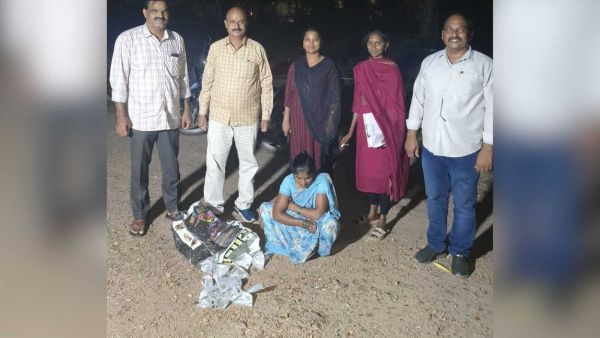
In two months, excise dept seizes over 6,000 liter of illicit liquor
-
‘We don’t hire Muslims’ claim in Dubai job sparks backlash

-
Jharkhand student protests: CM Hemant says doors open for talks
-
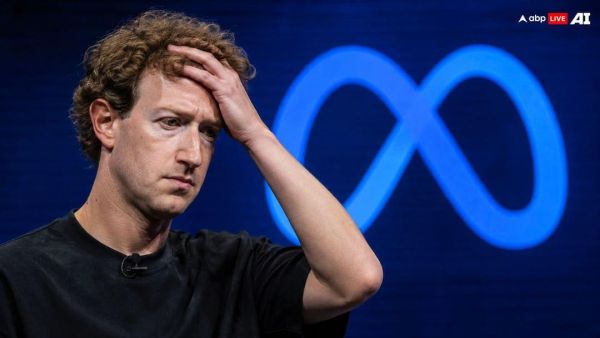
Zuckerberg Apologises Over PM Modi Post Removal, Meta Admits Platform Lapses: Sources
-
Why Chelsea believe Jordan Henderson is the right signing