UPI QR code extension
Digital payments in India have reached new heights today. The number of QR (Quick Response) codes on the Unified Payments Interface (UPI) platform has reached 67.8 crore by June 2025, which has more than doubled in just 18 months. This means clearly, now it has become common to make digital payments through QR code almost everywhere through common merchants, grocery stores, delivery platforms, mobility services or utility payments. This change has not only changed technology, but how we spend has also changed.
Rapid and massive growth in transactions
A total of ₹ 143.3 lakh crore was paid through UPI in the first half of 2025, which is about 23% more than the same period last year. Transaction volume also increased by about 35% year-on-year to reach 10,636 crore transactions. This tremendous expansion of QR codes has redefined India's merchant network.
What is interesting is that the average amount per payment has fallen from ₹1,478 to ₹1,348. The reason for this is that now instead of big transactions, UPI is being used more for small expenses like grocery, delivery, mobility and utilities.
P2P and P2M—huge surge in both
UPI's engine runs on two tracks P2P (Person to Person) and P2M (Person to Merchant) payments. The number of P2P transactions in this half year increased by about 31% year-on-year to Rs 3,935 crore, while P2M transactions increased by 37% to Rs 6,701 crore.
Challenges and opportunities ahead
Although the decline in the average amount is in a way 'digitalisation of small expenses', it is also raising questions of trade-margin and sustainability. The faster the digital network is expanding, the more important it is to make it sustainable.
Especially, connecting elderly users, feature-phone users, traders in rural areas in a seamless manner is now the next target. Pilots like biometric and PIN-less UPI are indicating in this direction. If everyone becomes a part of digital payments, then it will not remain just a 'method of payment' but will become an everyday infrastructure.
-
Are you planning to travel during the rainy season? Do explore these wonderful places of Meghalaya, you will see amazing views of nature.

-
I tried porridge pots from Aldi, Tesco, M&S and more – two beat Quaker

-
Inside Kriti Sanon’s Rs 78 Crore Pali Hill Penthouse With A Sea View And Private Terrace

-
Planning a Pregnancy Between 35 and 40? Fertility Expert Explains What Every Woman Should Know

-
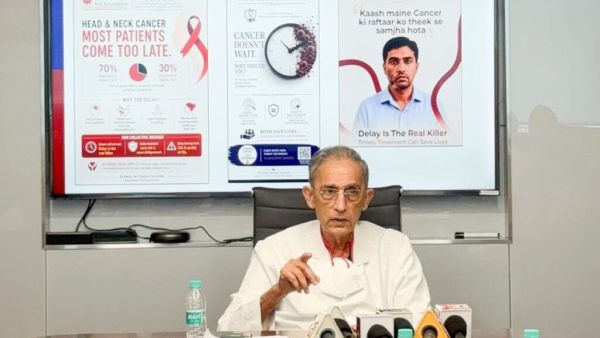
HNCII Awareness Campaign on World Head and Neck Cancer Day! Timely diagnosis can save lives