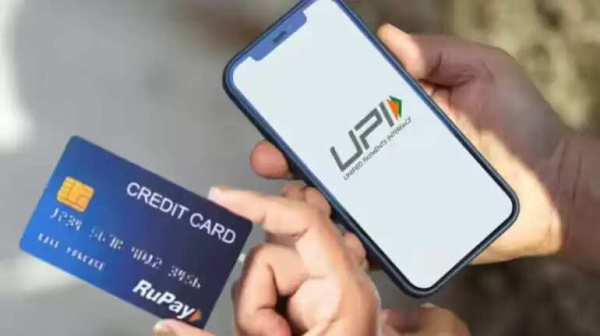
In the age of digital convenience, UPI (Unified Payments Interface) and Credit Card transactions have become integral to our daily lives. However, payment failures are an inevitable annoyance caused by technical glitches, network problems, incorrect information, or bank security measures. When a transaction fails, especially if funds are debited, it’s crucial to take the right steps immediately to secure your money and resolve the issue quickly.
Understanding the root cause of the failure is the first step toward a solution.
Common Reasons Behind Transaction Failures
Several technical and operational issues can cause your digital payment to fail.
A. UPI Payment Failure Causes:
-
Network Issues: Slow or disconnected internet/mobile network on either the sender's or receiver's end.
-
Bank/Server Problems: The bank’s server may be slow or down temporarily.
-
Outdated App: Using an old version of the UPI app (like Google Pay, PhonePe, etc.).
-
Incorrect Details: Entering the wrong Virtual Payment Address (VPA) or account details.
-
Transaction Limit: Exceeding the daily or per-transaction limit set by your bank or the UPI system.
-
Multiple Attempts: Repeatedly pressing the payment button can sometimes confuse the system and lead to failure.
B. Credit Card Payment Failure Causes:
-
Insufficient Credit Limit: Attempting a transaction that exceeds the available credit limit.
-
Incorrect Card Details: Entering the wrong card number, CVV, or expiry date.
-
OTP Failure: Incorrect or timed-out One-Time Password entry.
-
Expired Card: Attempting to use a card that has passed its expiration date.
-
Bank Fraud Alert: The bank’s automated fraud alert system may block the payment if the transaction is unusual (e.g., large amount, foreign transaction) to ensure security.
🚨 Immediate Steps to Resolve a Failed Transaction
When a payment fails and money has been debited from your account, it is important to remain calm and follow a systematic reporting process:
Step 1: Check the Status (The 24-48 Hour Rule)
-
Review Your Accounts: Immediately check the transaction status within your UPI app and verify your bank account statement (or credit card statement).
-
Automatic Reversal: In most cases, if the money is debited but the transaction failed at the recipient’s end, the amount is automatically reversed and credited back to your account within 24 to 48 hours. This is the standard procedure for failed digital transactions.
Step 2: Lodge a Complaint (If Auto-Reversal Fails)
If the funds are not reversed after the standard 48-hour period:
-
Note the Transaction ID: Securely record the unique Transaction ID (Txn ID) and take screenshots of the failed transaction status and the debit message.
-
Complain via the App: Lodge an official complaint directly through the help or support section of the respective UPI app (or the bank's portal for credit cards).
Step 3: Escalate to the Bank
If the problem persists after 3 to 5 days, escalate the matter:
-
Contact Bank: Raise the issue with your bank’s customer care or Grievance Redressal Cell, providing the Transaction ID and all relevant proof.
-
Credit Card Chargeback: For credit card failures, you can contact the merchant first. If they fail to resolve it, you can request your bank to initiate a chargeback.
Step 4: Approach the Ombudsman (Last Resort)
If your bank fails to resolve the issue within 30 days of receiving your complaint, you have the right to file a complaint with the Banking Ombudsman. This provides an independent and free mechanism for resolving disputes.
🔒 Tips to Prevent Future Failures
A little caution can go a long way in ensuring smooth and secure digital transactions:
-
Maintain Stable Connectivity: Always ensure you have a strong and stable internet connection before initiating any digital payment.
-
Keep Apps Updated: Regularly update your UPI app and banking applications to ensure compatibility and access to the latest security features.
-
Verify Details: Double-check the recipient's details (VPA, account number, or card details) before confirming the transaction.
-
Avoid Repeated Taps: Do not repeatedly tap the payment button if the transaction is slow or processing.
-
Protect Credentials: Never share your OTP, UPI PIN, or credit card CVV/PIN with anyone, as this information is crucial for transaction security.
By adopting these preventative measures and knowing the correct steps for resolution, you can navigate the occasional digital payment failure with confidence and minimize stress.
-
Does not give a name to the relationship and does not allow to go to another relationship? Aren’t you a victim of ‘seagulling’?

-
Why Do We Crave Fried Food Even When Were Full?

-
You will be surprised when you hear the price! Bring home this EV scooter for less than a smart TV, the best surprise for college students

-
Mirabai Chanu created history by lifting 105 kg, scored a hat-trick of gold in Commonwealth

-
Delhi lathi charge case reaches Supreme Court, new petition filed after CJI’s comments