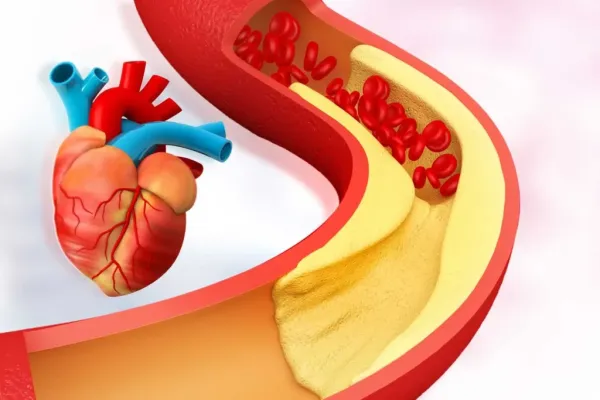
Cholesterol is essential for the body, but if its level increases, the heart, arteries and the entire cardiovascular system are at risk. High cholesterol often increases silently without any major symptoms, but the body definitely gives some signals which should not be ignored.
Know here the 5 signs that your cholesterol has increased, as well as what should be the normal level.
- Frequent numbness in feet and palms
When cholesterol increases in the body, plaque starts accumulating in the arteries.
due to this
blood flow decreases
pressure increases in the veins
Due to this, numbness, tingling and mild pain may be felt in the hands and legs.
- Yellow spots near the eyes (Cholesterol deposits)
If around the eyes or on the eyelids
Small yellow colored pimples or spots start forming
So this could be a sign of high LDL (bad cholesterol).
These are called xanthelasma, which is a sign of fat deposits in the body.
- heaviness or slight pain in the chest
Accumulation of cholesterol in the coronary arteries can reduce the blood supply to the heart.
Its effect:
chest heaviness
mild pain
breathlessness
getting tired quickly
This could be an early sign of heart disease.
- Small fatty bumps on the skin (Yellowish Patches)
on the skin in some people
shoulders
knees
elbows
But yellow or light white fatty bumps start forming.
These are called xanthomas and are a clear sign of high cholesterol.
- frequent headaches and dizziness
from high cholesterol
blockage in blood vessels
reduced blood flow to the brain
It may happen, due to which
dizzy
Headache
Tiredness
Such problems may increase.
What should be the normal level of cholesterol?
Total Cholesterol:
Less than 200 mg/dL – normal
200–239 mg/dL — borderline
240+ mg/dL — high
Less than 100 mg/dL — ideal
100–129 — almost perfect
130–159 — borderline high
160+ — high
More than 40 mg/dL (men)
More than 50 mg/dL (female)
60+ — better for heart
Less than 150 mg/dL – normal
How to control cholesterol?
Walk or exercise 30 minutes daily
Stay away from fried and fatty foods
Increase green vegetables, salads, oats and fiber
Avoid smoking and alcohol
keep regular health checkups
-
Incredible moment HIGNFY star skewers Rachel Reeves with her own words

-
Meghan Markle shares similar skill to Kate as she marks friend's special moment online

-
Incredible city with Africa's 'coolest' street and pretty beaches

-
Gravy is instantly tastier with 1 added ingredient - and it's not what you'd expect
-
Delhi records best January-November air quality in 8 years, excluding 2020