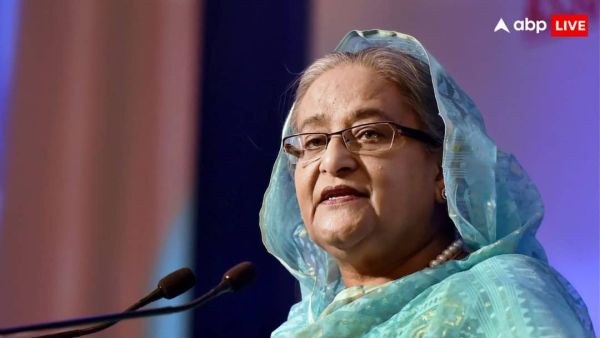
A commission probing the brutal 2009 mutiny that claimed the lives of dozens of top military officers in Bangladesh has concluded that former Prime Minister Sheikh Hasina ordered the deadly crackdown.
During the two-day revolt, soldiers from the Bangladesh Rifles (BDR) slaughtered 74 people, including senior officers. The violent uprising erupted in Dhaka before spreading nationwide, shaking Hasina’s government only weeks after she assumed office.
Following Hasina’s ouster last year amid a student-led movement, the interim administration under Muhammad Yunus established a commission to uncover the truth behind the bloodshed.
Now 78 and currently in exile in India, Hasina has defied court orders to return to Bangladesh. The commission’s report, presented on Sunday, claims her Awami League government was directly involved in orchestrating the mutiny’s suppression.
The government’s press office cited the commission chief, ALM Fazlur Rahman, revealing that former MP Fazle Noor Taposh acted as the "principal coordinator" with Hasina’s explicit "green signal" authorizing the killings. The report also indicated the "strong involvement of a foreign force" in the events.
Bangladesh Accuses India Of 'Weakning Army' After Massacre
At a press briefing, Rahman accused India of plotting to "destabilise Bangladesh" and "weakening" its army in the wake of the mutiny. "There had been a conspiracy brewing for a long time to weaken Bangladesh's forces," he asserted. India has yet to respond to these allegations.
Relations between the two neighbours have been tense ever since India’s support for Hasina strained ties after her removal from power.
Welcoming the findings, interim leader Muhammad Yunus expressed relief that the long-hidden truths behind the 2009 massacre had finally surfaced. "Through the commission report, the truth has finally been revealed," he stated.
Earlier probes into the revolt attributed it to lingering grievances among soldiers over ignored demands for better pay and conditions. However, critics argue those investigations, conducted while Hasina was in charge, masked her alleged role in a wider conspiracy to weaken the military and consolidate her grip on power.
This latest report adds fresh fuel to an already contentious chapter in Bangladesh’s political and military history.
(With inputs from AFP)
-
Ravindra Jadeja slams his sixth Test fifty of 2025: Stats
-
Death Toll Rises To 900 As Floods Drown Sri Lanka, Indonesia And Thailand; Hundreds Still Missing
-
KL Rahul smashes his 19th half-century in ODIs: Key stats

-
Indian IT Sector Shows Early Signs Of Recovery: BNP Paribas Report

-
CoinDCX Confirms User Data Exposure After Mixpanel Breach; Funds Safe