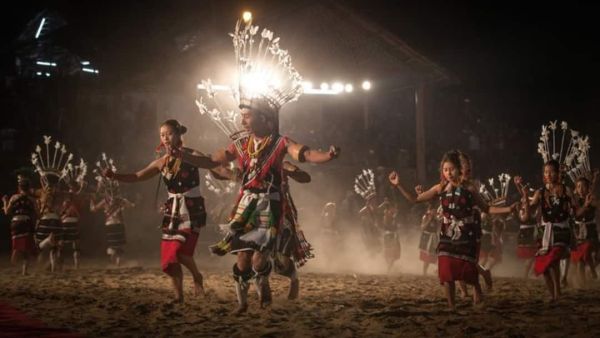
Nagaland Statehood Day is more than a historic milestone. It is a celebration of identity, pride, and the vibrant cultural roots of one of India's most diverse regions. Home to 17 major tribes and numerous sub-tribes, the state stands out for its rich heritage, distinctive rituals, and deep sense of community. Each tradition practised here is a powerful reminder of a civilisation that has preserved its ethos while embracing the future.
Here are seven defining traditions that truly make Nagaland unique.
1. The Hornbill Festival
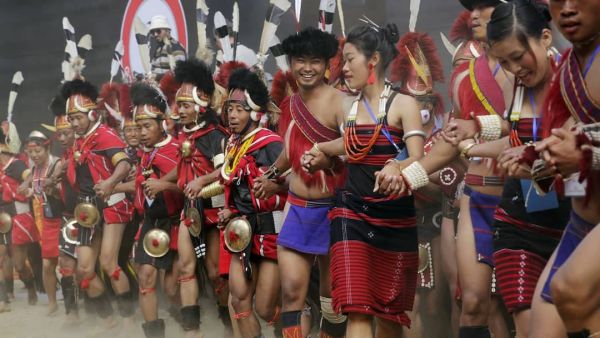
The Hornbill Festival, often called the “Festival of Festivals,” is one of India’s most spectacular cultural gatherings. Held every December, this vibrant celebration unites all major Naga tribes to showcase their traditional dances, rituals, music, and handcrafted art. More than just an event, it represents a collective cultural heartbeat. Visitors experience centuries-old warrior dances, indigenous games, folk songs, and storytelling sessions that beautifully capture the soul of Nagaland. The festival also highlights the state's culinary heritage through ethnic food stalls offering smoked meats, bamboo delicacies, and millet-based brews.
2. Traditional Morungs

Morungs, or traditional dormitory houses, are among the most fascinating elements of Naga social structure. These communal spaces once served as educational institutions where young boys learned survival skills, tribal history, moral values, and martial techniques. The architecture of each morung reflects tribal identity, adorned with carved wooden motifs symbolising bravery, fertility, and prosperity. They were also centres of governance, where elders held meetings and decisions were made through collective wisdom. Many festivals and community events still revolve around the morung, showcasing its enduring importance in maintaining tradition.
3. Colourful Tribal Attire
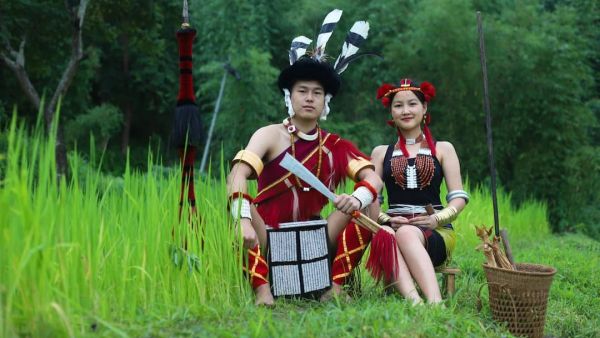
Naga attire is an artistic expression of tribal identity and cultural legacy. Each tribe has its own unique patterns, colours, and motifs, often woven by hand using techniques passed down across generations. The garments often symbolise bravery, status, age, and achievements. Headgear adorned with boar tusks, hornbill feathers, and beads narrates stories of valour and celebration. Women’s attire, rich with beadwork and dyed fabrics, reflects elegance and craftsmanship rooted in ancient traditions. These outfits are worn proudly during festivals, ceremonies, and community gatherings, bringing a striking visual vibrancy to Nagaland’s culture.
4. Log Drums
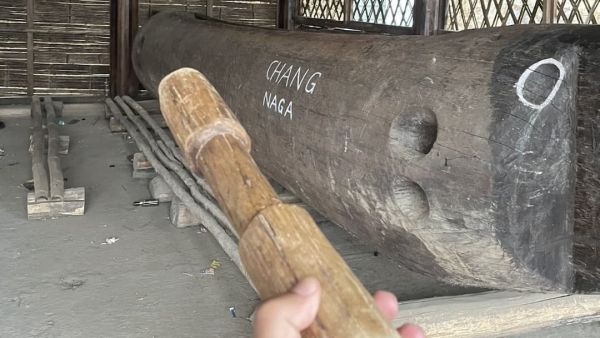
Log drums, carved from giant tree trunks, are among the most iconic elements of Naga heritage. These majestic instruments were traditionally used to communicate across villages. Their deep, resonant sound carries powerful cultural significance, often associated with unity and communal spirit. During festivals, the rhythmic beating of log drums accompanies dances, storytelling rituals, and martial performances. Carved with intricate patterns and sometimes even mythical motifs, log drums are considered sacred symbols of strength and identity. Although modern communication methods have replaced their older functions, the drums remain central to cultural ceremonies.
5. Indigenous Martial Arts And Warrior Traditions
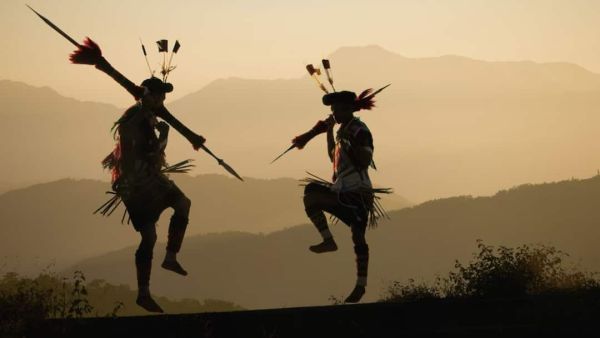
Nagaland’s warrior culture is deeply embedded in its history, and many tribes continue to practise traditional martial techniques handed down through generations. These include spear training, defence drills, strategic mock battles, and coordinated group combat techniques that were once essential for protecting villages. Performed during festivals or special ceremonies, these martial arts depict both the bravery and discipline of Naga ancestors. The elaborate headgear, war cries, and rhythmic movements reflect a powerful cultural legacy shaped by resilience and unity.
6. Naga Cuisine

Nagaland’s cuisine is one of the most distinctive in India. It's known for its bold flavours, smoked meats, fermented ingredients, and bamboo-based recipes. Each tribe has its own culinary customs, but elements like smoked pork, axone (fermented soybean), anishi (dried yam leaves), and bamboo shoot curry remain central to the food culture. Even the cooking techniques, like smoking meats in kitchen lofts for months, reflect heritage and lifestyle. Food is deeply tied to cultural rituals, celebrations, and everyday life, making Naga cuisine a living reflection of identity.
7. Handwoven Craftsmanship

Nagaland’s handicrafts are a masterpiece of heritage. It ranges from handwoven shawls and bamboo artifacts to handmade jewellery and wood carvings. Each piece tells a story, woven with knowledge passed down through families. The meticulous patterns on shawls often depict tribal history, nature, or significant life achievements. Bamboo work, from baskets to utility tools, showcases sustainability and craftsmanship that mirrors the region’s deep connection with the environment. Wood carvings, especially those depicting ancestors or mythological figures, represent spiritual beliefs and artistic brilliance.
-
UPI transactions grow 32 pc in Nov as consumption remains robust

-
Amitabh Bachchan pens an emotional message for his fans

-
Virat Kohli Dismisses Test Comeback Rumours After Impactful ODI Return for India

-
Bigg Boss 19: Shehbaz Badesha Eliminated Before Finale, Shehnaaz Gill Calls Him ‘Winner’

-
Hungary's Dalma Galfi excited ahead of Al Habtoor Challenge in Dubai