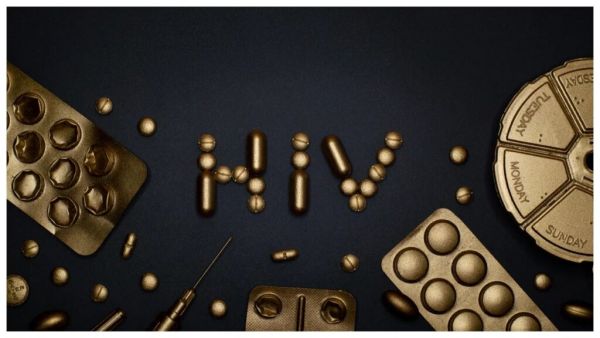
New Delhi: World AIDS Day, observed on 1 December each year, is a reminder that HIV remains a major public health issue, but also a success story where science, policy, and community action have transformed a once uniformly fatal infection into a manageable chronic condition. The global theme for World AIDS Day 2025 is “Overcoming disruption, transforming the AIDS response.” This theme calls on health systems to rebuild stronger services so that prevention options like condoms, PEP, and PrEP, as well as testing and ART, are accessible to everyone who needs them.
In an interaction with News9Live, Dr A Rajalakshmi, Senior Consultant, Department of Infectious Diseases, KIMSHEALTH, Thiruvananthapuram, recommended some basic lifestyle changes to stay fit and strong despite being HIV positive.
New HIV infections show a declining trend, and AIDS deaths have also fallen substantially. However, key populations such as sex workers, men who have sex with men, transgender persons, and people who inject drugs continue to carry a disproportionate burden, and adolescents and young adults remain a critical group for prevention interventions.
Smart and Safe Sex
Most HIV transmission in India occurs through unprotected sexual contact, so safer sex is the foundation of prevention. Smart, evidence-based strategies for sexual safety include
- Consistent and correct condom use for every act of vaginal, anal, or oral sex greatly reduces HIV and other sexually transmitted infections (STIs)
- Limiting partners, knowing your status and encouraging mutual HIV testing before stopping condoms lowers risk for both partners.
- Regular HIV and STI screening is recommended for sexually active people, especially those with multiple partners, as untreated STIs increase the risk of acquiring and transmitting HIV.
PEP: emergency protection after possible exposure
Post-exposure prophylaxis (PEP) is a short course of antiretroviral medicines taken after a potential exposure to HIV, such as unprotected sex with a partner of unknown or positive status, condom break, needle-stick injury, or sexual assault. PEP is an emergency measure and should not replace routine prevention, but when used correctly, it can drastically reduce the risk of acquiring HIV.
Key points for smart PEP use:
- Time is critical: PEP should be started as soon as possible, ideally within 2 hours and definitely within 72 hours of exposure; effectiveness decreases with delay.
- Full 28-day regimen: A three-drug ART regimen is usually taken for 28 days, with adherence essential for maximal protection and follow-up HIV testing at recommended intervals.
PrEP: ongoing protection for those at higher risk
Pre-exposure prophylaxis (PrEP) involves HIV-negative people taking antiretroviral medicine before and during periods of risk (like unprotected sex) to prevent acquiring HIV, and it is highly effective when adhered to consistently. Daily oral PrEP has shown high risk-reduction in HIV transmission. New long-acting injectable options are emerging globally, though not currently available in India.
Injection drug use and HIV
People who inject drugs are a key population with high HIV risk because sharing needles and syringes efficiently transmits HIV and hepatitis B and C. Smart and safe strategies for people who use drugs include not sharing needles, syringes, or other injecting equipment. Using a new, sterile needle and syringe for every injection is the single most important step to prevent HIV and hepatitis transmission.
On this World AIDS Day, the combination of safer sex, safe use of injection drugs, timely use of PEP, and strategic use of PrEP—alongside testing, treatment, and antistigma efforts—offers a clear, practical path to continue reducing new HIV infections in India while ensuring dignity and quality of life for people living with HIV.
-
Masala Bond case: ED notice 'politically motivated', alleges CPI(M)'s Thomas Isaac

-
How to grow fresh green chillies at home: Easy pot gardening tips for a fresh harvest

-
Bank Holidays: When will banks be closed in December? See the full list of holidays.

-
Soft Skills No One Teaches but Every Employer Wants

-
What Happens During A Non-Surgical Nose Job