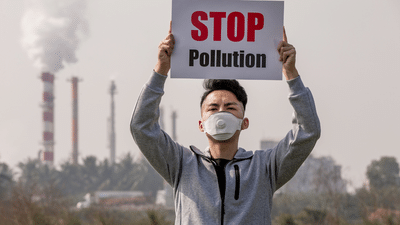
National Pollution Control Day is observed on December 2 each year, not only in honor of the tragic Bhopal Gas Disaster in 1984-but also because of the important link between pollution and health risks . This day should therefore serve as a reminder of how pollution affects our well-being and of the steps we must take to safeguard our health and the environment. Pollution is among the most serious causes of disease and death worldwide; hence, the need to control it to ensure public health.
The Bhopal Gas Tragedy: A health catastrophe
On the night of December 2-3, 1984, methyl isocyanate-a highly toxic gas-escaped from a pesticide manufacturing plant belonging to Union Carbide, located in Bhopal, Madhya Pradesh. The health effects among people due to exposure to this gas include immediate manifestations like cough, breathlessness, eye irritation, nausea, and unconsciousness. Over thousands died instantly-and a large number of survivors suffered from chronic conditions of respiratory diseases, impaired vision, neurological disorders, and even organ damage. The after-effects of the tragedy left the victims with lifelong health problems and disabilities that affected generations of people. It starkly demonstrated the deadly consequences when environmental safety is ignored or rather compromised.
The health complications of pollution
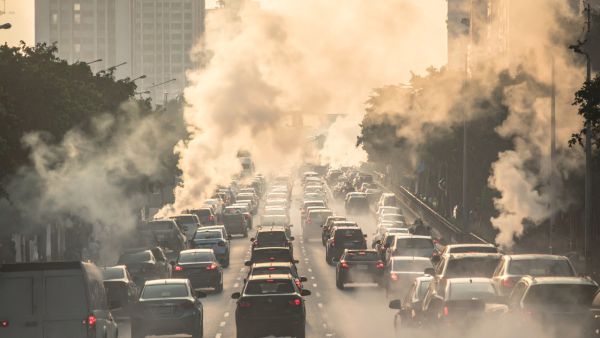
Pollution remains among the greatest public health threats today. No less than 7 million premature deaths annually result from air pollution across the globe, due to serious diseases such as chronic obstructive pulmonary disease, ischemic heart disease, stroke, lung cancer, and acute lower respiratory infections. Multiple studies and news agencies such as Reuters estimated that 1.67 million deaths in 2019 could be attributed to air pollution, accounting for nearly 18% of all deaths. Given that exposure to fine particulate matter allows harmful substances to go deep into the lungs and the bloodstream, this may lead to inflammation and damage of the heart, brain, and lungs. In addition to respiratory and cardiovascular diseases, exposure to pollution increases risk for diabetes, cataracts, skin diseases-and even worsens conditions of mental illness.
According to UNICEF's press release, back in 2024, Air pollution accounted for 8.1 million deaths globally in 2021, becoming the second leading risk factor for death, including for children under five years.
The new State of Global Air 2025 report summarises the most recent global data and shows air pollution continues to cause millions of premature deaths worldwide. The State of Global Air 2025 examines air quality and health outcomes using the latest PM2.5 and ozone exposure data and disease burden models
What is the role of National pollution control day
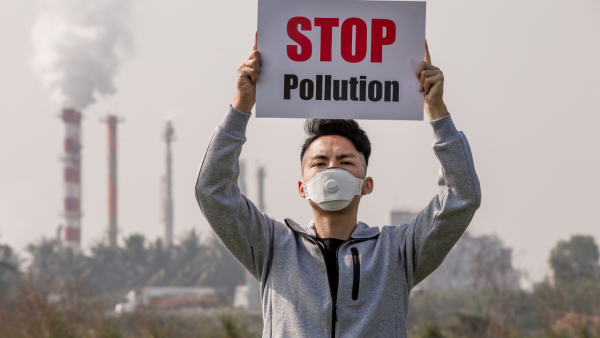
This day brings out the severe health risks from pollution and the urgency for effective control measures. It encourages governments, industries-communities-and individuals to come forward and decrease the level of pollution by adopting cleaner technologies, enforcement of environmental laws, and promotion of sustainable lifestyle choices. The observance highlights that reduction in pollution is not only to save nature but also to save lives and improve-health outcomes of all. Key objectives include educating vulnerable populations such as children, the elderly, and those with pre-existing health conditions who suffer the most from pollution’s effects.
How can we protect our health
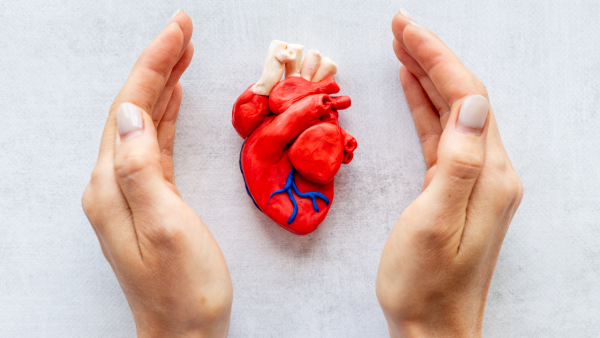
A reduction in exposure to harmful pollutants and helping in making surroundings cleaner can be done on an individual level-in simple ways, by avoiding waste burning, reducing the usage of fossil fuels by using public transports and nonmotorized travel, conserving energy at home-and by actively involving one in or supporting such initiatives as tree planting and waste recycling. Using masks when the air quality is poor outdoors and ensuring good ventilation indoors helps reduce respiratory diseases. Protecting the sources of water and reducing chemical pollutants aids in preventing waterborne diseases.
Looking ahead: A healthier planet for everyone
The legacy of the Bhopal tragedy reminds us of how pollution control is a health imperative. While governments need to further strengthen regulations on pollution and health surveillance, the public needs to continue to be vigilant and proactive. There is a place for better urban planning where hotspots of pollution can be reduced and access to clean air and water increased. The methodology of sustainable development places human health-and environmental protection at the forefront of rapid urbanization and industrialization. National Pollution Control Day motivates everyone towards collective commitment for a future in which no one has to suffer from the avoidable health harms of pollution; it means safer communities and a healthier world for generations to come.
It is a serious commemoration-and a stark reminder that the control of pollution and health protection are inseparable. Jointly, responsible policy-making and conscious living can bring down the deadly toll of pollution and nurture a clean, thriving environment essential for good health.
-
The biggest drama of Bigg Boss 19! Ruckus in the house with Tanya Mittal regarding ‘Ram Naam’

-
Samsung Unveils Galaxy Z TriFold, Its First Triple Folding Phone: Check Camera, Display, Battery And Price | Technology News

-
Top 5 must-play games of December 2025: Spider-Man, Samus Aran, Katja & more

-
Khelo India University Games 2025: Volleyball final matches were exciting, many teams showed strong performance

-
BrahMos Roars Over Bay of Bengal In Combat Launch As India Sends Supersonic Warning