High blood pressure symptoms in eyes: Warning signs that can lead to blindness and severe eye damage
ETimes | December 2, 2025 10:40 PM CST
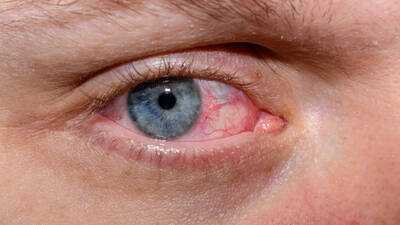
High blood pressure is widely recognised for its impact on the heart, but many patients are unaware of the significant effects it can have on eye health. Vision problems can sometimes be one of the earliest warning signs of uncontrolled hypertension.
The eyes contain a dense network of tiny blood vessels that are highly sensitive to pressure. Prolonged high blood pressure can damage these delicate structures, leading to noticeable eye symptoms and, in severe cases, vision loss. Understanding the connection between high blood pressure and eye health can help patients detect problems early, seek timely care, and protect both their sight and overall well-being.
Signs of high blood pressure in the eyes
Even without noticeable symptoms, an eye doctor may detect early indicators of high blood pressure, such as:
Early detection allows timely intervention, preventing further eye damage and reducing the risk of vision loss.
Understanding high blood pressure and how it affects eyes
High blood pressure, or hypertension, occurs when the force of blood pushing against the walls of the arteries is consistently elevated. This extra pressure forces the heart to work harder and places strain on blood vessels throughout the body, including the eyes.
Blood pressure is measured in two numbers: systolic (the top number) and diastolic (the bottom number). A reading above 130/80 mm Hg is generally considered high and may require lifestyle adjustments or medication.
Hypertension often develops slowly, without obvious symptoms, but if left untreated it increases the risk of serious complications such as heart disease, stroke, kidney damage, and vision problems. High blood pressure can silently damage the tiny blood vessels in the eyes, particularly those supplying the retina and optic nerve. When blood pressure is too high, normal blood flow may be disrupted, leading to complications such as hypertensive retinopathy, a condition where retinal blood vessels are damaged, causing blurred vision, bleeding, or even permanent vision loss.
The eyes are uniquely positioned to reveal the early effects of hypertension, often before other symptoms appear, making eye health a critical component of overall cardiovascular monitoring.
Complications of high blood pressure in the eyes
Unchecked hypertension can result in serious eye complications, including:
Hypertension also increases the risk of retinal artery occlusion, retinal vein occlusion, and diabetes-related eye complications.
Common high blood pressure symptoms
High blood pressure often presents silently, making regular monitoring essential. Symptoms that may indicate elevated blood pressure include:
When hypertension progresses and begins to affect the eyes, patients may experience:
These signs are not exclusive to high blood pressure, but an eye care professional can identify vascular changes in the retina indicative of hypertension.
High blood pressure risk factors
Certain factors increase the likelihood of developing high blood pressure:
High blood pressure in the eyes
If patients have a family history of hypertension or experience eye symptoms, a comprehensive eye exam is recommended. Eye doctors can detect early signs of damage even before high blood pressure is confirmed through standard readings.
Diagnostic measures include:
A thorough medical history helps identify genetic risk, and any findings of hypertensive retinopathy can be shared with the patient’s primary care physician or specialist for targeted management.
How to control high blood pressure
The most effective way to prevent eye complications is to control blood pressure through medication, healthy habits, and regular monitoring. Treatment strategies include:
In advanced cases, eye-specific treatments such as laser therapy, injections, or surgery may be necessary to manage bleeding, swelling, or blockages.
Preventing high blood pressure eye damage
Maintaining healthy blood pressure protects both the heart and eyes. Recommended preventive measures include:
By prioritising overall health and monitoring vision, patients can reduce the risk of complications and safeguard their sight.
High blood pressure is more than a cardiovascular concern. The delicate blood vessels in the eyes are highly susceptible to damage, making early detection and management crucial. Regular eye exams, lifestyle adjustments, and medical interventions not only preserve vision but also improve overall health outcomes. Recognising high blood pressure eye symptoms early can prevent serious, potentially permanent, vision loss.
Disclaimer: This article is for informational purposes only and is not a substitute for professional medical advice, diagnosis, or treatment. Always consult a qualified healthcare provider or eye specialist if you experience symptoms of high blood pressure or changes in vision.
Also Read |
The eyes contain a dense network of tiny blood vessels that are highly sensitive to pressure. Prolonged high blood pressure can damage these delicate structures, leading to noticeable eye symptoms and, in severe cases, vision loss. Understanding the connection between high blood pressure and eye health can help patients detect problems early, seek timely care, and protect both their sight and overall well-being.
Signs of high blood pressure in the eyes
Even without noticeable symptoms, an eye doctor may detect early indicators of high blood pressure, such as:
- Narrowed or twisted retinal arteries
- Bleeding or fluid leakage from damaged vessels
- Swelling of the optic nerve
- Cotton wool spots caused by reduced blood flow
- Changes in retinal vessel patterns consistent with hypertensive retinopathy
Early detection allows timely intervention, preventing further eye damage and reducing the risk of vision loss.
Understanding high blood pressure and how it affects eyes
High blood pressure, or hypertension, occurs when the force of blood pushing against the walls of the arteries is consistently elevated. This extra pressure forces the heart to work harder and places strain on blood vessels throughout the body, including the eyes.
Blood pressure is measured in two numbers: systolic (the top number) and diastolic (the bottom number). A reading above 130/80 mm Hg is generally considered high and may require lifestyle adjustments or medication.
Hypertension often develops slowly, without obvious symptoms, but if left untreated it increases the risk of serious complications such as heart disease, stroke, kidney damage, and vision problems. High blood pressure can silently damage the tiny blood vessels in the eyes, particularly those supplying the retina and optic nerve. When blood pressure is too high, normal blood flow may be disrupted, leading to complications such as hypertensive retinopathy, a condition where retinal blood vessels are damaged, causing blurred vision, bleeding, or even permanent vision loss.
The eyes are uniquely positioned to reveal the early effects of hypertension, often before other symptoms appear, making eye health a critical component of overall cardiovascular monitoring.
Complications of high blood pressure in the eyes
Unchecked hypertension can result in serious eye complications, including:
- Macular edema: Fluid buildup in the macula causing swelling and distortion.
- Reduced blood flow: Especially affecting the retina and optic nerve.
- Retinal detachment: The retina can pull away from supporting tissue, threatening vision.
- Blindness: Severe, prolonged high blood pressure can lead to permanent vision loss.
- Ischemic optic neuropathy: Reduced blood flow to the optic nerve may cause sudden vision changes.
Hypertension also increases the risk of retinal artery occlusion, retinal vein occlusion, and diabetes-related eye complications.
Common high blood pressure symptoms
High blood pressure often presents silently, making regular monitoring essential. Symptoms that may indicate elevated blood pressure include:
- Headaches
- Shortness of breath
- Nosebleeds
When hypertension progresses and begins to affect the eyes, patients may experience:
- Double vision
- Blurry or distorted vision
- Swollen eyes
- Vision loss
- Blood vessels bursting within the eye
These signs are not exclusive to high blood pressure, but an eye care professional can identify vascular changes in the retina indicative of hypertension.
High blood pressure risk factors
Certain factors increase the likelihood of developing high blood pressure:
- Age: Risk rises significantly for individuals over 50.
- Family history: Genetic predisposition can increase susceptibility.
- Obesity: Excess weight places extra strain on the heart and blood vessels.
- Physical inactivity: Sedentary lifestyles contribute to elevated blood pressure.
- Diet: High salt and processed food consumption can cause fluid retention and increased pressure.
- Smoking and alcohol: Both can raise blood pressure over time.
- Chronic stress: Long-term stress can trigger spikes in blood pressure.
- Medical conditions: Diabetes, kidney disease, and sleep apnea increase risk.
High blood pressure in the eyes
If patients have a family history of hypertension or experience eye symptoms, a comprehensive eye exam is recommended. Eye doctors can detect early signs of damage even before high blood pressure is confirmed through standard readings.
Diagnostic measures include:
- Dilated eye examination to view retinal blood vessels.
- Optical coherence tomography (OCT) to detect swelling or fluid accumulation.
- Blood pressure measurement to confirm hypertension and assess severity.
A thorough medical history helps identify genetic risk, and any findings of hypertensive retinopathy can be shared with the patient’s primary care physician or specialist for targeted management.
How to control high blood pressure
The most effective way to prevent eye complications is to control blood pressure through medication, healthy habits, and regular monitoring. Treatment strategies include:
- Lifestyle changes: Reducing salt intake, exercising, and managing stress.
- Medication: Prescribed antihypertensive drugs can stabilise blood pressure.
- Ongoing eye monitoring: Regular exams detect complications early.
In advanced cases, eye-specific treatments such as laser therapy, injections, or surgery may be necessary to manage bleeding, swelling, or blockages.
Preventing high blood pressure eye damage
Maintaining healthy blood pressure protects both the heart and eyes. Recommended preventive measures include:
- Eating a balanced, low-sodium diet rich in vegetables, fruits, whole grains, and lean protein
- Exercising for at least 30 minutes most days
- Limiting alcohol intake and avoiding tobacco
- Managing stress with relaxation, mindfulness, and adequate sleep
- Taking prescribed medications consistently
- Scheduling regular checkups with healthcare and eye professionals
By prioritising overall health and monitoring vision, patients can reduce the risk of complications and safeguard their sight.
High blood pressure is more than a cardiovascular concern. The delicate blood vessels in the eyes are highly susceptible to damage, making early detection and management crucial. Regular eye exams, lifestyle adjustments, and medical interventions not only preserve vision but also improve overall health outcomes. Recognising high blood pressure eye symptoms early can prevent serious, potentially permanent, vision loss.
Disclaimer: This article is for informational purposes only and is not a substitute for professional medical advice, diagnosis, or treatment. Always consult a qualified healthcare provider or eye specialist if you experience symptoms of high blood pressure or changes in vision.
Also Read |
READ NEXT
-
Pakistan accuses India of Hindering Sri Lanka relief efforts
-
OpenAI declares ‘code red’ to improve ChatGPT amid rising competition in AI chatbots

-
Virat Kohli To Play In Vijay Hazare Trophy For First Time Since 2010
-
Air India Check-In System Restored After Disruption; Glitch Delays Multiple Flights
-
'Perfect' gangster series based on 'fascinating' book returns with spin-off