Winter breads: millet, maize and ragi
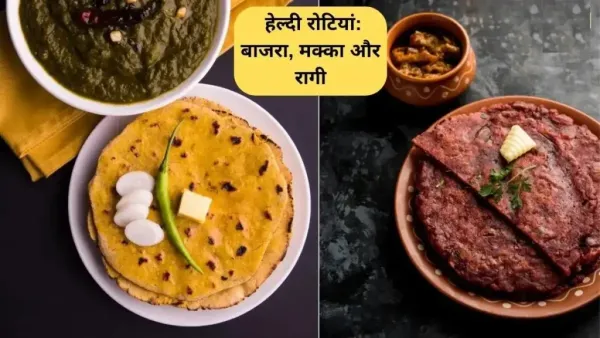
Winter Breads: Rotis made of millet, maize and ragi are considered extremely beneficial for keeping the body warm in winter and increasing immunity. Let us know about their benefits and simple recipes.
As soon as winters arrive, we start including such things in our food which not only keep the body warm but also increase the immunity. Often people are limited to only wheat bread during the cold season, whereas the traditional rotis of India contain many grains which are considered superfoods for winter.
According to nutritionists, millet, maize and ragi are extremely beneficial in providing energy in winter, improving digestion and strengthening bones. If you want to make your food healthy and tasty, then these three rotis must be included in your winter diet.
1. Bajra Roti – Major grain of winter
Millet is a grain consumed in India for centuries, which is considered to have a hot taste. It keeps the body warm for a long time in winter and provides energy.
Benefits of millet:
Maintains heat in the body.
Rich in fiber, improves digestion.
Excellent source of iron, magnesium and phosphorus.
Helps in sugar control.
Method to make Bajra Roti:
Add hot water to millet flour and knead it soft.
Add some salt.
As the dough breaks, flatten the roti by patting it with your palms.
Roast it on low flame on pan and apply ghee on top and eat it hot.
Serving suggestion: Serve bajra roti with jaggery, white butter or garlic chutney.
2. Corn Bread – Favorite of Punjab-Haryana
Corn flour is considered good for digestion and warmth in winter. This roti is especially eaten with mustard greens and provides energy in the cold winds.
Benefits of maize:
Rich in fiber and antioxidants.
Effective in keeping the body warm.
Keeps you from feeling hungry for a long time.
Gluten-Free Option.
Method of making corn bread:
Mix lukewarm water and a pinch of salt in corn flour.
The dough will be a little crumbly—don’t worry.
Shape the roti by hand, rolling it out may be difficult.
Cook well on the pan.
Suggestion: Apply some butter or ghee on corn roti and serve it with mustard greens or jaggery.
3. Ragi Roti – Rich in Calcium
Ragi (Mandua) is considered a superfood nowadays. It is rich in calcium, iron, protein and amino acids. Ragi roti strengthens bones and muscles in winter.
Benefits of Ragi:
Excellent source of calcium.
Extremely beneficial for children, elderly and women.
Help in blood sugar control.
Easy digestion and feeling full.
Method to make Ragi Roti:
Ragi flour is a little sticky, so use lukewarm water to knead it.
If you want, mix half ragi + half wheat/jowar and knead it – it will be easier to roll.
Roll the roti like a normal roti and roast it on the pan.
Serving suggestion: Eat ragi roti with curd, chutney or vegetable.
Importance of these rotis in winter
These rotis provide natural warmth to the body.
Strengthens the immune system.
Fills the stomach and provides energy.
Native taste, taste and health in food – all together.
Great option for those on diabetic and gluten-free diets.
-
Rajya Sabha Returns Manipur GST Amendment Bill 2025 Amid Opposition Walkout, FM Sitharaman Defends Legislation

-
India Launches New Digital Credit Assessment Model to Fast-Track MSME Loan Approvals
-
Winter Delicacy Desserts: Step-by-step Guide To Make Gajar Halwa, Sooji Halwa And Moong Dal Halwa At Home As Mercury Dips

-
Dhurandhar: Ranveer Singh's Film Gets 'A' Certificate, Censor Boards Chops Off Violent Scenes, Mutes Cuss Words

-
Amid Rift Rumours In Indian Dressing Room, India Fast Bowler Sets The Record Straight: 'Everyone Is Happy'