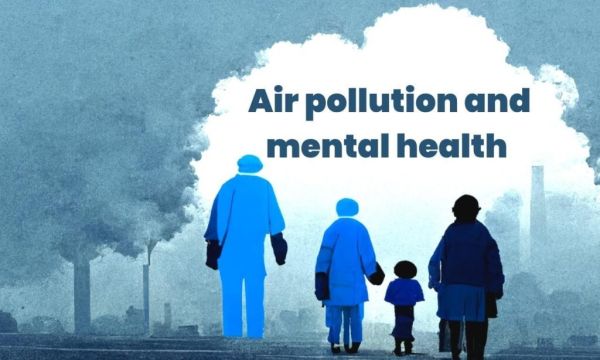
Air Pollution and Mental Health: How Polluted Air Influences the Brain and Cognitive Ageing
Air pollution has emerged as a complex environmental factor that impacts far more than respiratory health. Scientific research now highlights how long-term exposure to fine particulate matter, nitrogen dioxide, and other airborne pollutants can affect mental well-being and cognitive ageing. Polluted air may influence emotional regulation, memory formation, and the stability of neural pathways involved in thought and behaviour.
With urban environments expanding and pollutant levels fluctuating across regions, understanding these hidden psychological and neurological effects has become increasingly important. This growing attention reflects a broader effort to evaluate how environmental conditions shape the way individuals think, feel, and function throughout their lives.
Effects of Air Pollution on the Brain and Mental Health
Research consistently shows that air pollution interacts with the brain in subtle yet measurable ways, influencing both emotional stability and cognitive performance. Studies published in JAMA Psychiatry and BMC Public Health provide strong evidence of the following effects:
- Increased risk of depression
- Heightened anxiety symptoms
- Impaired memory and weakened recall
- Slower processing speed
- Higher likelihood of long-term cognitive decline
These effects often unfold gradually, making them difficult to detect immediately, yet they can significantly influence overall well-being and daily functioning.
1. Increased Risk of Depression
Long-term exposure to pollutants is strongly linked with elevated rates of depressive symptoms. Biological mechanisms include:
- Increased inflammation in the body
- Impaired neurotransmitter regulation
- Disrupted serotonin and dopamine pathways
Common symptoms:
- Persistent low mood
- Decline in motivation
- Lower energy levels
- Difficulty focusing
- Disturbed sleep patterns
Because these symptoms appear gradually, they are often mistaken for stress or lifestyle changes rather than environmental exposure.
2. Heightened Anxiety Symptoms
Air pollution acts as a continuous environmental stressor, subtly activating systems responsible for vigilance and threat perception. Prolonged exposure to nitrogen dioxide and other pollutants correlates with higher anxiety outcomes.
Common symptoms:
- Restlessness or difficulty relaxing
- Mental tension and overthinking
- Muscle tightness or rapid heartbeat
- Easily triggered worry responses
- Fragmented sleep
These effects are especially noticeable in dense urban zones, where noise and poor air quality combine to heighten stress.
3. Impaired Memory and Recall
Memory appears particularly vulnerable to long-term pollution exposure. Research shows that higher pollutant concentrations correspond with reduced recall accuracy and difficulty storing new information.
Pollutants may:
- Interfere with hippocampal activity
- Limit oxygen supply to neural tissue
- Contribute to oxidative stress
Common symptoms:
- Forgetting recently learned information
- Slower recall of names or details
- Difficulty absorbing new concepts
- Reduced clarity when switching tasks
4. Slower Processing Speed and Cognitive Decline
Meta-analyses demonstrate a clear link between pollution and reduced global cognitive performance. Adults exposed for many years show signs of accelerated decline.
Common symptoms:
- Slower decision-making
- Reduced ability to sustain focus
- Difficulty planning or sequencing tasks
- Lower mental agility during complex activities
This highlights the importance of considering environmental factors when evaluating cognitive ageing.
Practical Ways to Reduce Personal Exposure
While large-scale improvements require community and government action, individuals can take steps to reduce personal exposure:
- Use indoor air purifiers
- Improve ventilation
- Reduce indoor smoke sources
- Monitor air quality forecasts before outdoor activities
- Choose walking routes away from busy roads
- Close windows during peak traffic hours
- Add indoor plants for freshness
Those experiencing persistent anxiety, memory lapses, or reduced concentration should consult healthcare professionals, especially if living in high-exposure regions.
Why Linking Pollution and Mental Health Matters
The connection between air pollution, mental health, and cognitive function has reshaped public health perspectives. As cities expand and industrial activity intensifies, populations face daily exposure to complex pollutants.
Recognising that these exposures influence not only physical health but also emotional stability and cognitive performance creates urgency for clean air initiatives. This research encourages policymakers to prioritize air quality, supports healthier urban spaces, and reinforces the need for regular monitoring.
For individuals, it offers deeper understanding of how environmental conditions shape mental clarity, emotional resilience, and long-term cognitive health.
Disclaimer: This article is for general informational purposes only and is not a substitute for professional medical advice, diagnosis, or treatment.