Coatis may look like a mix of raccoon, anteater, and mongoose, but this unique mammal is far more fascinating than it appears. Celebrated on 3rd December, World Coati Day focuses on the importance of understanding, protecting, and appreciating these curious creatures that play a major ecological role in forests across the Americas.
Here are 8 surprising facts about coatis that will leave you fascinated.
1. Their Signature Long Nose Is Flexible
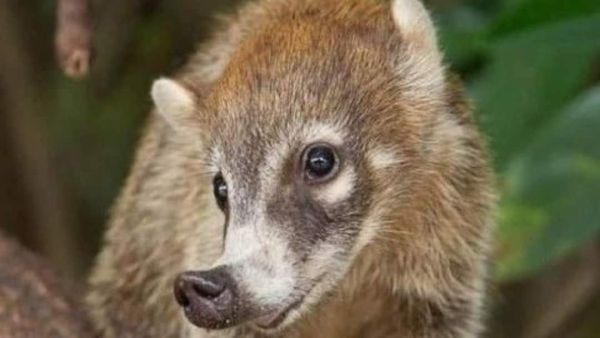
The coati’s elongated nose is one of its most iconic features, but it’s not just for show. This highly flexible snout can bend up, down, and sideways, allowing the coati to explore cracks, burrows, and leaf litter for insects, fruits, and small vertebrates. Their powerful sense of smell helps them locate food buried deep underground or hidden within hollow logs. This specialised nose also allows them to forage for longer periods and find resources that many predators or competitors miss.
2. Coatis Are Masters In Problem Solving
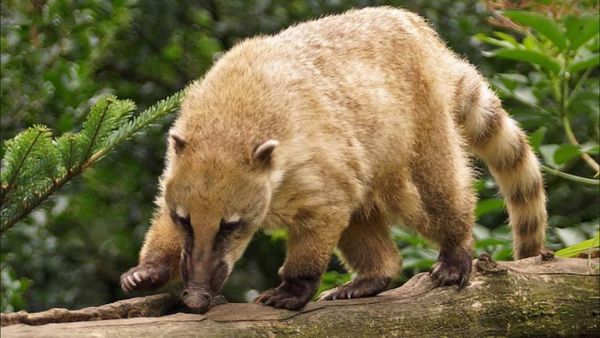
While they may seem playful and carefree, coatis possess a sharp intellect that rivals some primates. Studies have shown that they excel in tasks involving memory, puzzle-solving, and navigating obstacles. In the wild, coatis often lift rocks, break open logs, or use coordinated strategies to access food sources. They are known to raid campsites or human settlements, where they learn to unzip bags, open containers, and even coordinate group efforts to distract humans while another coati steals food. Juvenile coatis spend months learning survival skills by observing and mimicking older group members.
3. They Live In Highly Social Female-Led Groups Called ‘Bands’
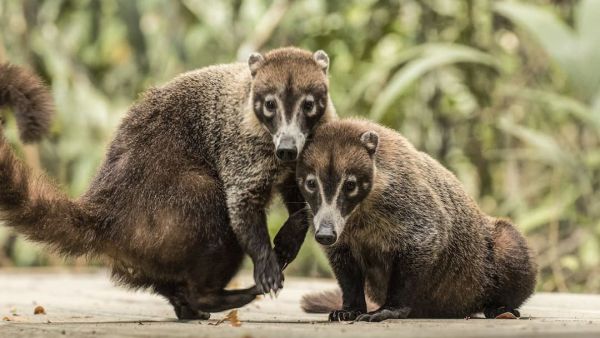
One of the most fascinating aspects of coati behaviour is their strong social structure. Female coatis and their young form large groups called bands, which may include 10 to 30 members. These groups move, forage, groom, and sleep together, strengthening social bonds and ensuring safety from predators. What makes coati society truly unique is that females lead the group, making decisions about travel routes, resting places, and feeding areas. Male coatis, on the other hand, lead mostly solitary lives and join the group only during mating season.
4. Their Climbing Skills Are Exceptional
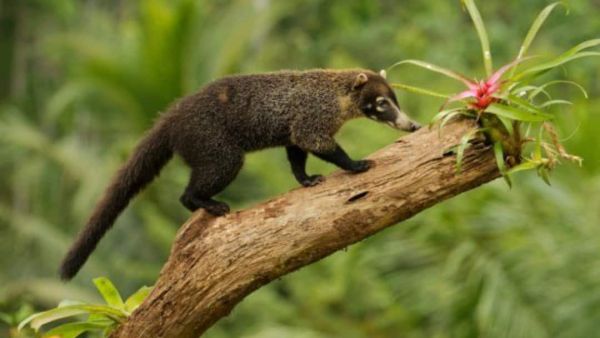
Coatis are extraordinary climbers, capable of scaling trees with speed and confidence. Their secret lies in their double-jointed ankles, which can rotate nearly 180 degrees. This allows them to hang upside down, climb down trees head-first, and navigate narrow branches without losing balance. These adaptations evolved as survival tools, allowing them to escape predators such as pumas, eagles, and jaguars. Their strong claws and flexible bodies further enhance their climbing abilities, helping them forage for fruits, eggs, insects, and small reptiles hidden in the canopy. Young coatis often spend hours practising these skills.
5. Their Tails Work Like Flags And Balancers
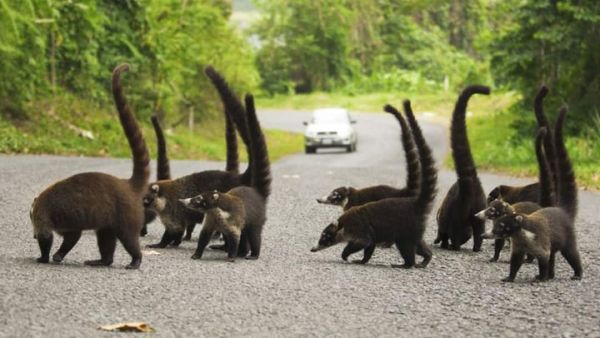
A coati’s long, ringed tail is more than just an adorable feature. It's a crucial tool for their survival. When they walk through tall grasses or dense bushes, coatis keep their tails upright like flags, allowing group members to follow each other visually. This helps prevent separation, especially when predators are nearby. The tail also acts as a balancing rod when they climb trees or leap from one branch to another, keeping their bodies stabilised mid-air. While they cannot grip objects using their tails like monkeys, the coati tail still plays an essential role in group coordination, communication, and physical agility.
6. Coatis Have An Exciting Mixed Diet
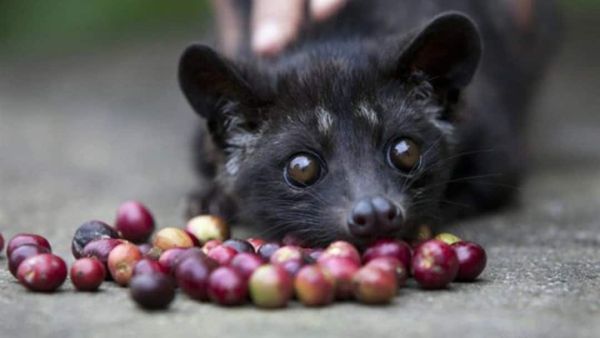
Coatis are omnivorous, meaning they enjoy a varied diet that includes fruits, insects, small reptiles, eggs, and roots. This diverse menu not only supports their health but also makes them important contributors to forest regeneration. As they consume fruits and travel long distances, they disperse seeds across large forest areas, helping maintain plant diversity. Their digging habits also aerate the soil, promoting healthier ecosystems. Coatis use both their sharp claws and flexible snouts to uncover hidden food sources, making them efficient foragers. Their ability to adapt their diet to seasonal changes also ensures survival in harsh conditions.
7. They’re Related To Raccoons

Although coatis belong to the same family as raccoons (Procyonidae), they differ greatly in behaviour, physiology, and social structure. While raccoons are typically nocturnal and solitary, coatis are mostly diurnal and highly social. Their communication, foraging habits, and parenting styles are also more complex. Coatis are usually more active during daylight hours, making them easier for researchers to study in natural habitats. Their longer snouts, flexible ankles, and female-led group living set them apart from their raccoon cousins. Despite the similarities in appearance, coatis have carved out their own niche in the ecological world, showcasing traits that are truly unique to their species.
8. Coatis Communicate Using A Variety Of Sounds
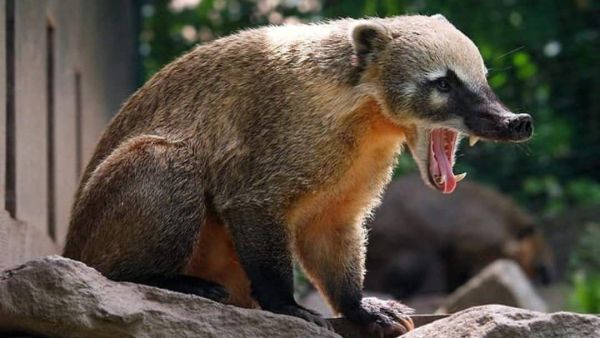
Communication is an essential part of coati behaviour, especially within large female bands. Coatis use chirps, squeaks, snorts, and even alarm calls to coordinate movements or warn each other of danger. Mother coatis create a distinct sound for their babies, which helps them locate one another in dense foliage. When foraging, they use low-frequency vocal signals to stay connected within the group. This advanced communication system highlights their social intelligence and strong bonding habits.
-
Tamil Nadu urges Supreme Court to recall order for CBI probe into Karur stampede

-
SC grants bail to ex-Rajasthan Minister in Jal Jeevan Mission scam case

-
Uttar Pradesh Introduces Regional Languages in Vocational Education

-
Two killed as car crashes into roadside parapet in J&K's Rajouri

-
Grand Mahadeepam festival in TN's Tiruvannamalai, lakhs of devotees converge