Gentle Squats During Pregnancy: A Simple Way to Build Strength and Ease Labour
Pregatips | December 4, 2025 3:39 AM CST
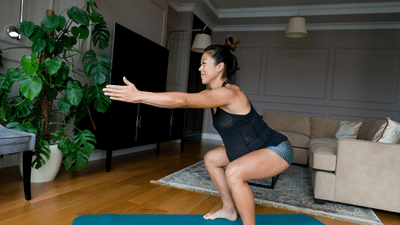
Pregnancy changes both the body and mind. Staying active helps with strength and emotional balance. Gentle squats are a great way to add comfort and confidence during this time.
When done with care, squats do more than just exercise the body. They help prepare for childbirth by strengthening muscles that support posture, stability, and endurance. Gentle squats also improve circulation, reduce tension, and allow the body to adjust during pregnancy.
Why Gentle Squats Matter During Pregnancy
1. Strengthening Core and Pelvic MusclesDuring pregnancy, the body relies heavily on the pelvic floor and core muscles to carry the growing weight. Gentle squats help:
2. Improving Circulation and Reducing SwellingAs the uterus grows, circulation to the lower body can become slower, leading to swelling or heaviness in the legs. Squats help:
3. Supporting Easier Labour and DeliveryThe natural squatting position is known for helping open the pelvis and making childbirth easier. Practising gentle squats can:
4. Maintaining Mobility and BalanceAs pregnancy goes on, balance can change. Squats help strengthen the muscles that keep you steady and flexible. They:
When and How to Start Gentle Squats
1. The Right Time to BeginWith a healthcare provider’s approval, gentle squats can be started at any stage of pregnancy. Always keep the intensity at a comfortable level.
2. Safety Comes FirstAlways talk to a healthcare professional before starting. Every pregnancy is different, so safety should come first.
Keep in mind:
Simple Ways to Include Gentle Squats in Daily Routine
1. Supported Squats with a WallStand with your back against a wall and slowly slide down to a gentle squat. Hold for a few seconds, then rise. This helps maintain posture and reduces back strain.
2. Chair-Assisted SquatsHold the backrest of a sturdy chair for balance. Lower slightly, ensuring weight stays on the heels. This method is particularly effective for those new to squats.
3. Flow SquatsTry gentle squats with focused breathing. Lower into a squat as you inhale and rise slowly as you exhale. This steady rhythm helps you feel calm and relaxed.
4. Mini Squats During Daily ActivitiesIncorporate light squats while brushing teeth, folding clothes, or cooking. Small, consistent movements add up to meaningful strength.
Listening to the BodyEvery pregnancy is different. The most important thing is to move with care, not to compete. If you feel pain, dizziness, or pressure, stop and rest.
Remember:
Mindful Tips for an Effective Squat Routine
The Indian Perspective on Prenatal MovementAcross India, many traditional practices encourage gentle movement during pregnancy. From prenatal yoga to daily chores performed with mindfulness, physical activity has always been an integral part of a holistic approach to maternal health.
Adding gentle squats fits well with this traditional wisdom. It helps expecting individuals stay active in a safe and natural way. Gentle squats also build confidence, independence, and readiness for childbirth, while respecting the body’s rhythm. Remember, pregnancy is about progress, comfort, and care, not perfection. Take it one gentle squat at a time.
Whether you’re pregnant, a new mom, or navigating postpartum, you don’t have to do it alone. Join our support group to connect, share, and support one another.
FAQs on Gentle Squats During Pregnancy: A Simple Way to Build Strength and Ease LabourCan gentle squats be done every day during pregnancy?
Yes, gentle squats can be done every day if your healthcare provider says it’s safe. The most important thing is to listen to your body and adjust the intensity as needed. Some days will feel easier than others, and that’s normal. Doing a few mindful squats regularly helps keep muscles strong and flexible without causing exhaustion.
How can one stay motivated to continue gentle squats throughout pregnancy?
Motivation often comes from small, steady progress. Try setting a short daily routine, like a few minutes after waking up or before bed, to make squats part of your day. Adding calming music or breathing exercises can make the experience more relaxing. Every gentle movement helps build a stronger, more balanced body for childbirth and recovery.
When done with care, squats do more than just exercise the body. They help prepare for childbirth by strengthening muscles that support posture, stability, and endurance. Gentle squats also improve circulation, reduce tension, and allow the body to adjust during pregnancy.
Why Gentle Squats Matter During Pregnancy
1. Strengthening Core and Pelvic MusclesDuring pregnancy, the body relies heavily on the pelvic floor and core muscles to carry the growing weight. Gentle squats help:
- Build lower body strength without strain.
- Support the pelvic floor and reduce the risk of discomfort.
- Improve posture by engaging core stability.
- Prepare the body for the demands of labour and delivery.
2. Improving Circulation and Reducing SwellingAs the uterus grows, circulation to the lower body can become slower, leading to swelling or heaviness in the legs. Squats help:
- Stimulate blood flow throughout the body.
- Prevent stiffness in the knees and hips.
- Encourage gentle lymphatic drainage to reduce puffiness or water retention.
3. Supporting Easier Labour and DeliveryThe natural squatting position is known for helping open the pelvis and making childbirth easier. Practising gentle squats can:
- Increase pelvic flexibility and alignment.
- Encourage optimal baby positioning for delivery.
- Strengthen endurance for active labour.
4. Maintaining Mobility and BalanceAs pregnancy goes on, balance can change. Squats help strengthen the muscles that keep you steady and flexible. They:
- Enhance coordination between hips, knees, and ankles.
- Reduce back pressure by improving body mechanics.
- Help maintain everyday mobility, from walking to bending safely.
When and How to Start Gentle Squats
1. The Right Time to BeginWith a healthcare provider’s approval, gentle squats can be started at any stage of pregnancy. Always keep the intensity at a comfortable level.
- First Trimester: Keep squats light to maintain strength and circulation.
- Second Trimester: Focus on stability and breathing as the belly grows.
- Third Trimester: Practise gentle, supported squats for flexibility and pelvic preparation.
2. Safety Comes FirstAlways talk to a healthcare professional before starting. Every pregnancy is different, so safety should come first.
Keep in mind:
- Use a sturdy support, such as a chair or wall.
- Keep the feet hip-width apart or slightly wider.
- Lower slowly, keeping knees behind toes.
- Avoid deep squats if there is discomfort or pressure.
- Breathe naturally: inhale as you lower, exhale as you rise.
Simple Ways to Include Gentle Squats in Daily Routine
1. Supported Squats with a WallStand with your back against a wall and slowly slide down to a gentle squat. Hold for a few seconds, then rise. This helps maintain posture and reduces back strain.
2. Chair-Assisted SquatsHold the backrest of a sturdy chair for balance. Lower slightly, ensuring weight stays on the heels. This method is particularly effective for those new to squats.
3. Flow SquatsTry gentle squats with focused breathing. Lower into a squat as you inhale and rise slowly as you exhale. This steady rhythm helps you feel calm and relaxed.
4. Mini Squats During Daily ActivitiesIncorporate light squats while brushing teeth, folding clothes, or cooking. Small, consistent movements add up to meaningful strength.
Listening to the BodyEvery pregnancy is different. The most important thing is to move with care, not to compete. If you feel pain, dizziness, or pressure, stop and rest.
Remember:
- Gentle movements are more effective than intense ones.
- Consistency matters more than duration.
- The goal is comfort and support, not endurance or fitness targets.
Mindful Tips for an Effective Squat Routine
- Warm up first: Start with gentle stretches for your hips, thighs, and ankles.
- Use breath: Exhale through effort, inhale through relaxation.
- Stay hydrated: Keep a bottle of water nearby.
- Rest often: Take short breaks between sets.
- End with relaxation: A few minutes of deep breathing or side stretches can help release tension.
The Indian Perspective on Prenatal MovementAcross India, many traditional practices encourage gentle movement during pregnancy. From prenatal yoga to daily chores performed with mindfulness, physical activity has always been an integral part of a holistic approach to maternal health.
Adding gentle squats fits well with this traditional wisdom. It helps expecting individuals stay active in a safe and natural way. Gentle squats also build confidence, independence, and readiness for childbirth, while respecting the body’s rhythm. Remember, pregnancy is about progress, comfort, and care, not perfection. Take it one gentle squat at a time.
Whether you’re pregnant, a new mom, or navigating postpartum, you don’t have to do it alone. Join our support group to connect, share, and support one another.
FAQs on Gentle Squats During Pregnancy: A Simple Way to Build Strength and Ease Labour
Yes, gentle squats can be done every day if your healthcare provider says it’s safe. The most important thing is to listen to your body and adjust the intensity as needed. Some days will feel easier than others, and that’s normal. Doing a few mindful squats regularly helps keep muscles strong and flexible without causing exhaustion.
Motivation often comes from small, steady progress. Try setting a short daily routine, like a few minutes after waking up or before bed, to make squats part of your day. Adding calming music or breathing exercises can make the experience more relaxing. Every gentle movement helps build a stronger, more balanced body for childbirth and recovery.
READ NEXT
-
Kensington Palace release new picture of Princess Kate and William ahead of state banquet

-
Probe into pre-budget leaks 'underway' as fallout from Rachel Reeves's statement continues

-
Lotto winning numbers RECAP : Full National Lottery results with Thunderball on December 3

-
Why was Angry Ginge arrested before joining I'm A Celeb?

-
Matthew Perry's doctor handed bombshell prison sentence after fatal overdose