(By Dr. Hasmukh Gujar)
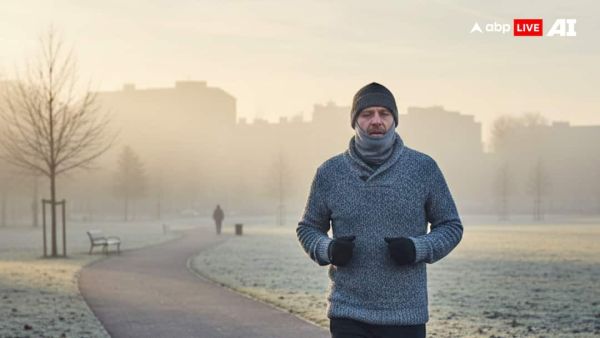
Every winter, the same pattern repeats itself in cardiac ICUs: a seemingly healthy person in their 50s steps out for a fast, early-morning walk and ends up with a heart attack before breakfast. This happens because of one common mistake, sudden, intense outdoor exercise in the cold, dark hours of early morning without any preparation. While people believe they are doing something healthy, the body reacts very differently in winter, especially at dawn.
Early Morning Walk That Can Backfire In Winter
In the early hours after waking, the body naturally releases higher levels of stress hormones like adrenaline and cortisol. These hormones raise blood pressure, increase heart rate and make the blood slightly more prone to clotting. Cold air compounds this effect by making the blood vessels constrict, which further pushes up blood pressure and forces the heart to pump harder. Winter air, particularly in urban areas, is often polluted and lower in oxygen. This makes the heart work even more to deliver oxygen to active muscles during exercise.
This can be lethal for someone with underlying or hidden heart artery blockages. Visualize someone getting out of a warm bed at 5:30 am, not drinking water, skipping medicines, and starting off on a brisk, fasted walk or jog into the cold fog. The sudden surge in physical effort requires the heart to demand more oxygen. The now thickened blood, already-narrowed arteries and cold-induced constriction create the perfect storm. Under this sudden strain, a vulnerable cholesterol plaque may rupture, spawn a clot that completely blocks a coronary artery, and precipitate a heart attack.
Your Winter Fitness Checklist
The solution does not lie in the avoidance of exercise, but in understanding and adaptation to winter physiology. In general, walking after sunrise is safer because there is a slight improvement in temperature and air quality. A short indoor warm-up of 5–10 minutes prepares the body gradually. Dress in layers and cover the head, ears, hands, and feet to maintain body heat. Also, avoid sudden high-intensity exercises in the first 15–20 minutes and never skip prescribed blood pressure or heart medications before physical activity.
Therefore, if chest pressure, unusual breathlessness, giddiness, or pain radiating to the jaw or arms occurs during exercise, it should be stopped at once and immediate medical care sought. The well-intentioned morning routine must not be allowed to become the trigger for a preventable heart attack, especially during the colder months.
Dr. Hasmukh Gujar is Interventional Cardiologist & HOD Cardiology at Inamdar Multispeciality Hospital, Pune.
[Disclaimer: The information provided in the article is shared by experts and is intended for general informational purposes only. It is not a substitute for professional medical advice, diagnosis, or treatment. Always seek the advice of your physician or other qualified healthcare provider with any questions you may have regarding a medical condition.]
-
KKR Legend Andre Russell Reveals Why He Chose To Retire From IPL

-
Rohit Sharma And Virat Kohli Being Forced To Play Domestic Cricket?

-
Delhi Nursery Admissions 2026-27: Application Begin Today At edudel.nic.in, Check Details Here

-
Trump Orders H-1B, H-4 Visa Applicants To Make Social Media Profiles Public

-
Pakistan To Auction Debt-Hit National Airlines To Meet IMF Bailout Terms