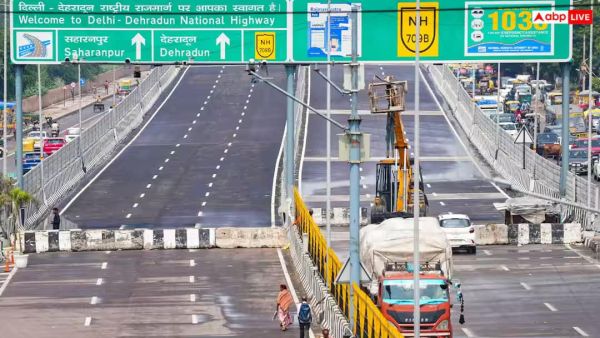
Travelling between Delhi and Dehradun has just become smoother. The Delhi section of the Delhi–Dehradun Expressway, from Akshardham to the Loni border, has been opened to motorists on a trial basis, offering uninterrupted, high-speed movement across one of the capital’s most congested zones. With this key stretch operational, the long-promised target of reaching Dehradun in roughly 2.5 hours is now closer to reality.
A New 32 km Link Transforming Regional Travel
This newly opened 32-kilometre section serves as the connecting spine between the Delhi–Meerut and Delhi–Dehradun expressways. By bridging these routes, it has dramatically reduced delays caused by bottlenecks along the Yamuna River and other busy corridors.
The project currently comes without a toll for commuters within Delhi, making the ride not only quicker but also more convenient.
No Toll Within Delhi, and a Faster, Cleaner Commute
The stretch from Akshardham to the Loni border, extending up to the first Eastern Peripheral cut, has been designed as a seamless high-speed corridor. Covering around 14.75 km inside Delhi, the expressway features two levels, a wide elevated section and a main carriageway below, with a posted speed limit of 100 km/h.
The drive across this segment now takes just 20 to 25 minutes. Enhanced safety systems including CCTV surveillance, sound-reducing barriers, and continuous monitoring have been integrated throughout the route to ensure smooth and secure travel.
Geeta Colony Flyover: The Project’s Biggest Challenge Now Operational
One of the most complex elements of this expressway was the construction of a 6.4–6.5 km elevated flyover at Geeta Colony. It is now fully open, and the transformation is striking.
Earlier, motorists were forced to endure heavy congestion on local roads, Pusta Road and the Gandhinagar Market stretch, where average speeds rarely exceeded 20–30 km/h. Today, that same 9 km journey takes barely 10 minutes. With the elevated route launched, notorious choke points like Gandhinagar, Shastri Park, Seelampur, Khajuri Khas and Bhajanpura have effectively been bypassed, visible from above, but no longer felt by those on the expressway.
Key Features of the High-Speed Corridor
The expressway has been laid out as a 12-lane corridor, with a six-lane elevated track and additional lanes on the main carriageway below. Modern infrastructure elements, lane markings, reflective studs, anti-glare screens and sound barriers, have been strategically installed to boost safety at high speeds.
The Yamuna Par region now showcases a layered transport system, where local roads run at ground level, the Metro’s Pink Line operates above them, and the expressway soars even higher. Multiple foot overbridges have also been built to ensure pedestrians can cross safely without slowing down vehicular traffic.
Toll Collection to Begin After Full Completion
For now, toll charges do not apply within Delhi. The first toll plaza lies just beyond the Loni border in Uttar Pradesh, though tolling has not yet started as the project remains in its trial phase. Once construction across all remaining sections is completed, the toll policy will be introduced.
Towards a Faster Route to Uttarakhand’s Key Destinations
When the expressway is fully operational, the 210 km trip from Akshardham to Dehradun is expected to take around 2.5 hours. Beyond Dehradun, the corridor will offer improved access to Haridwar, Rishikesh, and further towards the Chardham circuit.
For travellers heading to Uttarakhand’s religious and tourist hotspots, this means faster, safer and far more comfortable journeys. The full expressway is projected to open to the public by February 2026.
-
US team likely to visit India next week for trade talks: Sources

-
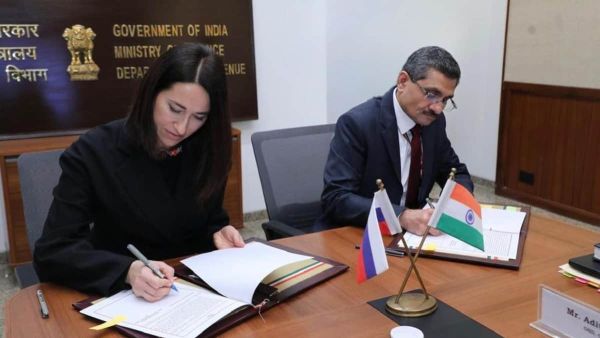
CBIC, Russian customs agree to exchange pre-arrival info on goods & vehicles
-
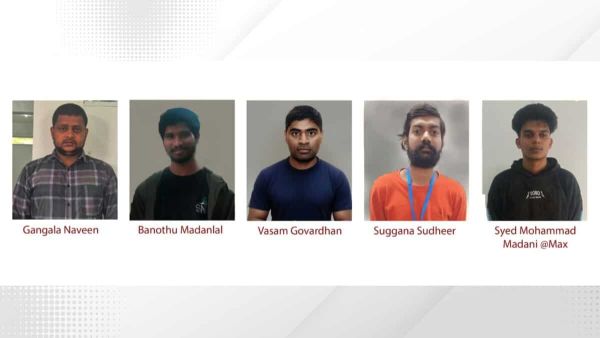
TGCSB busts fake job racket with Myanmar cybercrime link; five held
-
Fiction: The lives of five Indian doctors intersect in an American hospital as each tries to belong

-
Madhya Pradesh: Man Cuts Off Leopard's Paws After It Died in Snare Meant for Pigs, Arrested