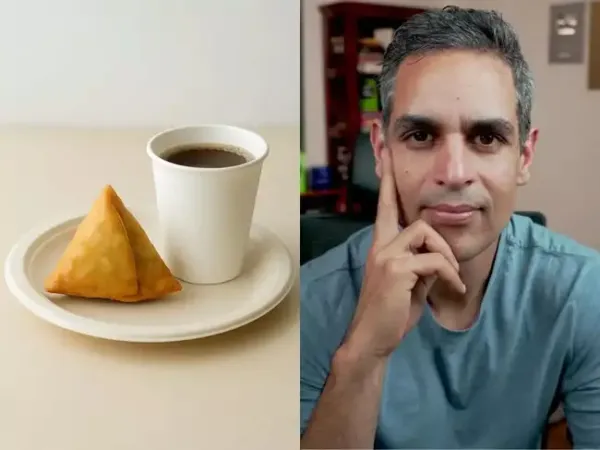
Across India, conversations around the rising cost of weddings and the pressure to host lavish events have become increasingly common. Many young couples today are rethinking traditions, choosing financial stability over expensive ceremonies that often strain budgets for years. A recent social media post by entrepreneur and author Ankur Warikoo added fresh momentum to this debate, after he shared the story of a couple who kept their wedding extremely simple so they could buy a house early in life.
Warikoo framed their decision as a win, stressing that they prioritised long-term stability over a single day’s celebration. He noted that the couple’s choice reflected clarity about what mattered most to them: avoiding a lifetime of rent and focusing on building financial security from the start.
The simplicity of the wedding—and the idea of serving only a samosa and a cold drink—surprised many online users, prompting the post to go viral. The story led to questions about whether weddings need to be grand to be meaningful, and whether young couples should feel obligated to host large gatherings when their financial goals point elsewhere.
Others felt the idea sounded too idealistic. They pointed out that weddings are social events and hosting guests with such minimal arrangements could feel uncomfortable. According to this view, people expect a certain level of hospitality when they attend a ceremony, and serving only a samosa might appear dismissive.
A few users took an economic angle, saying that weddings support many livelihoods and fuel spending in several sectors. For them, extremely bare-bones weddings could weaken an important part of the economy.
Several commenters, however, defended the couple’s priorities. They appreciated that the pair chose long-term stability over showmanship and avoided loans for a single-day event. Many felt that valuing a home over wedding glamour was a practical decision that deserved acknowledgement.
There were also humorous and sarcastic reactions, with some users suggesting the internet always finds an audience for every kind of story, no matter how unconventional.
Warikoo’s post and the couple’s decision
In his post on X, Warikoo described meeting a woman named Amita whose parents had always believed that marriage should come only after owning a home. He explained that the couple chose to get married at 30 and directed all their savings toward purchasing that house. As a result, the wedding menu was limited to just one samosa and a cold drink for guests.Warikoo framed their decision as a win, stressing that they prioritised long-term stability over a single day’s celebration. He noted that the couple’s choice reflected clarity about what mattered most to them: avoiding a lifetime of rent and focusing on building financial security from the start.
The simplicity of the wedding—and the idea of serving only a samosa and a cold drink—surprised many online users, prompting the post to go viral. The story led to questions about whether weddings need to be grand to be meaningful, and whether young couples should feel obligated to host large gatherings when their financial goals point elsewhere.
Strong reactions across social media
Reactions to Warikoo’s post were sharply divided. Some users argued that people who avoided unnecessary expenses were once mocked as frugal, but today they were seen as examples of smart money management. They said the couple’s approach reflected a deeper shift in how people value financial discipline.Others felt the idea sounded too idealistic. They pointed out that weddings are social events and hosting guests with such minimal arrangements could feel uncomfortable. According to this view, people expect a certain level of hospitality when they attend a ceremony, and serving only a samosa might appear dismissive.
A few users took an economic angle, saying that weddings support many livelihoods and fuel spending in several sectors. For them, extremely bare-bones weddings could weaken an important part of the economy.
Several commenters, however, defended the couple’s priorities. They appreciated that the pair chose long-term stability over showmanship and avoided loans for a single-day event. Many felt that valuing a home over wedding glamour was a practical decision that deserved acknowledgement.
There were also humorous and sarcastic reactions, with some users suggesting the internet always finds an audience for every kind of story, no matter how unconventional.