Overview: 7 early alarm signs of piles during pregnancy, if seen, be alert immediately
Piles is a common but ignored problem during pregnancy, which is especially common in the third trimester. Pressure on pelvic nerves, hormonal changes and constipation are the main reasons for this. It is important to recognize early signs like pain, bleeding, itching and swelling after bowel movement, so that proper treatment and relief can be provided before the problem increases.
Hemorrhoids during Pregnancy: Many changes occur in the body during pregnancy. Weight gain, hormonal imbalance and digestive problems are considered common at this time. Due to these changes, the problem of piles is also seen a lot in pregnant women. This problem may arise especially in the third trimester, when the enlarged uterus puts more pressure on the pelvic veins.
Women often ignore piles due to shyness or hesitation. Sometimes the initial symptoms are mild, such as slight burning or discomfort after using the toilet. But if these signs are understood in time, then the problem can be prevented from increasing and treatment also becomes easier.
If a woman has ever had the problem of piles, its symptoms can appear at any stage of pregnancy. Therefore, it is important to recognize the early signs of piles during pregnancy. The symptoms given below will help you to be alert in time and will also prompt you to consult a doctor at the right time.
Feeling of not emptying the stomach even after potty
Feeling the urge to go to the toilet again and again even after a bowel movement can be an early sign of piles during pregnancy. This condition is called tenesmus. In this, it seems that the stomach has not been completely cleaned, even though defecation has already taken place. This happens because the swollen hemorrhoidal nodes put pressure on the rectum. Digestion is already slow during pregnancy, on top of this this pressure increases the problem. Many women ignore it considering it to be constipation, whereas it could be a sign of piles. If this feeling is happening again and again, do not take it lightly and it is important to talk to a doctor.
mild discomfort or irritation after potty
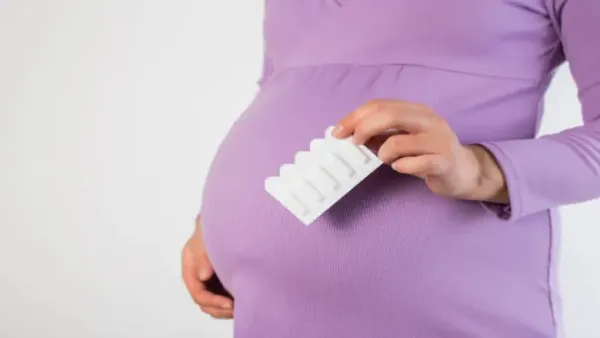
It is not necessary to have severe pain every time. Many times, after using the toilet, a slight burning sensation, heaviness or discomfort is felt. This problem can last from a few minutes to hours. The reason for this is swelling in the veins of the anus, which takes time to subside. Hormonal changes during pregnancy make the nerves more sensitive. Women often think that this is normal and will go away on its own. But if this starts happening daily, it can be an early symptom of piles. By paying attention in time, severe pain and swelling can be avoided in the future.
bleeding during or after bowel movements
Seeing bright red blood on toilet paper or in the commode can be a frightening experience. This is considered to be the most clearly visible sign of piles. Due to internal hemorrhoids during pregnancy, this bleeding often comes without pain, so women do not take it seriously. But any kind of bleeding from the anus is not normal. There may be other reasons behind this, so proper investigation is necessary. If blood is seen frequently, even if the amount is small, it is very important to consult a doctor. The exact cause can be revealed by timely investigation.
feeling of itching, burning or lump around the anus
Persistent itching or burning around the anus is a common symptom of external hemorrhoids. Many times this problem increases due to presence of moisture there. Some women may also feel small, soft lumps under the skin. These are swollen veins, which cause more discomfort when sitting or walking. Sitting for a long time can cause it to swell and bulge. The body is already sensitive during pregnancy, so this itching can also increase mental stress. If this problem persists, it becomes necessary to consult a doctor along with home remedies.
Severe pain and discomfort caused by sitting or standing for a long time
In some cases, severe pain may occur during or immediately after bowel movement. This happens when passing hard stools puts too much pressure on the swollen veins. If a blood clot forms in the hemorrhoid, called thrombosed hemorrhoids, the pain can be unbearable. Apart from this, sitting or standing for a long time also causes blood to accumulate in the anal area, which increases swelling and pain. The pressure on the pelvic veins is already high during pregnancy. In such a situation, resting on your side and changing the position of the body occasionally can provide relief.
Why do piles occur during pregnancy?
- The growing uterus puts pressure on the veins of the anus.
- Hormonal changes slow down bowel movements
- Due to constipation, one has to strain while defecating.
- Physical activity decreases in the last months
By recognizing the symptoms on time, taking proper care and taking doctor’s advice, the problem of piles during pregnancy can be controlled to a great extent.
-
VIDEO: Team India players camped among tigers in the dark of night, amazing sight seen before the T20 series.

-
What happens if you drink lemon water for 13 days? This is not our thing, “Hear the real truth from the doctor! – News Himachali News Himachali

-
Davos 2024: India can export cost-effective AI healthcare, says Soni

-
'My Soul Hurts': Golden Boot Winner Brahim Diaz Apologises After Morocco's AFCON 2025 Final Defeat Against Senegal

-
India To Play Next ODI Series In 175 Days Against England Following Home Series Loss Vs New Zealand