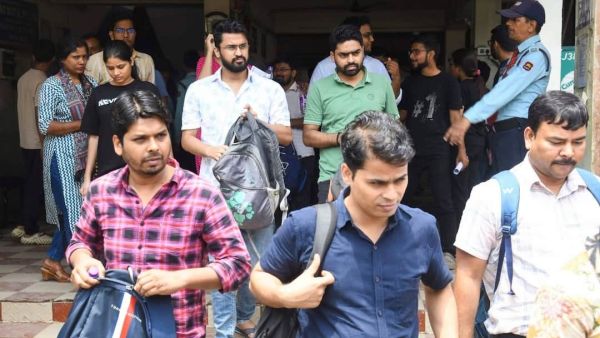
India’s postgraduate medical entrance exam has witnessed an unprecedented shift. The Centre and the National Board of Examinations in Medical Sciences (NBEMS) have drastically lowered the NEET-PG 2025 cut-off for the third round of counselling, making even candidates with extremely low, and in some cases negative, scores eligible for PG medical seats.
The move, announced through an official notification dated January 13, 2026, has sparked intense debate within the medical community, raising questions about training standards, patient safety, and the future quality of healthcare in the country.
What Changed In The Cut-Off Criteria
Earlier, candidates needed to clear relatively high thresholds to qualify for NEET-PG 2025. The minimum qualifying marks were set at the 50th percentile for General and EWS candidates, the 45th percentile for PwBD (General), and the 40th percentile for SC, ST and OBC categories.
Under the revised norms issued by NBEMS, the cut-off has been reduced sharply. General and EWS candidates are now eligible at the 7th percentile, PwBD (General) at the 5th percentile, while SC, ST and OBC candidates have been made eligible at the 0th percentile, with scores as low as minus 40 now considered valid for counselling.
Cut-Off Lowered Only For Eligibility, Ranks Unchanged
Officials have clarified that this relaxation applies only to counselling eligibility. NEET-PG 2025 ranks remain unchanged, and no modification has been made to the merit list.
According to the government and NBEMS, the decision was driven by the large number of postgraduate medical seats that remained vacant across the country, even after two rounds of counselling. Despite widespread discussion on the shortage of doctors, thousands of training seats failed to attract candidates, prompting authorities to widen the eligibility pool.
Why Did So Many PG Seats Remain Vacant?
Medical experts point to multiple structural issues behind the situation. In many private medical colleges, PG course fees are prohibitively high, placing them beyond the reach of average families. Several states also impose long and demanding government service bonds after PG, often coupled with difficult rural postings.
In addition, branches such as surgery and anaesthesiology are seen as high-pressure specialities with greater legal risks, leading many students to avoid them. Poor working conditions, long hours, and concerns over safety for junior doctors during training have further discouraged candidates.
Impact And Concerns Within Medical Community
The decision has drawn concern from doctors’ associations and medical bodies, who argue that PG trainees eventually become surgeons, physicians and super specialists. They warn that lowering the entry threshold too much could compromise the quality of care and pose risks to patient safety in the long run.
The government, however, maintains that all eligible candidates are already MBBS graduates and that the objective is solely to ensure that vacant seats are utilised. By filling these seats, authorities argue, training can begin and the country’s doctor shortage can be addressed to some extent.
-
Gold-Silver Prices: Silver crosses ₹3 lakh mark for the first time, where will the price go now? Buy or sell?

-
N. Korea-linked hackers exploit Naver, Google ads to spread malware

-
Shree Ganeshji's Iyengar Bakery & Restaurant Sets Sights on International Markets

-
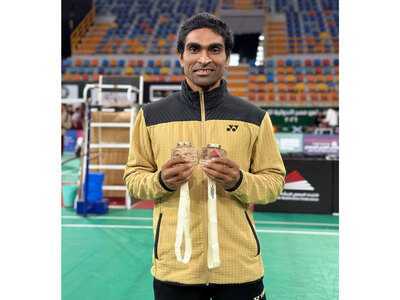
SPIRO SPATHIS Egypt Para Badminton International 2026: Pramod Bhagat, Sukant Kadam strike double gold
-
South Korean Prez Lee, Italian PM Meloni set for summit talks