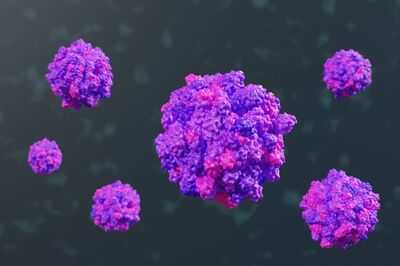
Health chiefs this afternoon sounded an urgent alarm following a dramatic surge in severe cases of a highly contagious bug. The UK Health Security Agency this afternoon revealed that norovirus infections have soared by 47% during the opening fortnight of 2026.
This represents a sharp increase compared to the preceding two-week stretch ending 28 December, based on the most recent monitoring figures.
Authorities today issued critical guidance on proper hygiene practices to stem the virus's transmission. Incidents continue to peak amongst individuals aged 65 years and above, and whilst activity stays within anticipated parameters, outbreaks within healthcare facilities are climbing too.
- Exact major change by Royal Mail set to affect millions of British households
- 'Alien spaceship' 3I/Atlas to make rare move near the Sun which could solve UFO mystery
Experts warned that pathogens such as influenza and norovirus can behave erratically, with patterns shifting during the season, making it crucial for the public to adopt straightforward preventive measures.
For both airborne and stomach-related viruses like norovirus, this encompasses frequent handwashing.
Bear in mind that alcohol-based sanitisers cannot eliminate norovirus, so consistent hand cleansing with soap and warm water, plus using bleach-containing products for surface disinfection, will help prevent infections from proliferating.
Amy Douglas, Lead Epidemiologist at UKHSA, commented: "We have seen a notable increase in cases in recent weeks among those aged 65 years and over, with more hospital outbreaks also being reported. While this is still within expected levels, there are simple steps that people can take to reduce the spread of norovirus and ensure levels don't rise further.
"Washing your hands with soap and warm water and using bleach-based products to clean surfaces will also help stop infections from spreading. Alcohol gels do not kill norovirus so don't rely on these alone.
"If you have diarrhoea and vomiting, don't return to work, school or nursery until 48 hours after your symptoms have stopped and don't prepare food for others in that time either. If you are unwell, avoid visiting people in hospitals and care homes to prevent passing on the infection to those most vulnerable."
The NHS states that norovirus symptoms typically begin "suddenly" and may include feeling sick, vomiting, and diarrhoea.
Sufferers might also develop a high temperature, headache, stomach pain, and general aches and pains throughout the body.
Health officials advise that anyone experiencing symptoms should stay away from school, nursery or work until they haven't been sick or suffered diarrhoea for two days.
The same two-day rule applies to avoiding hospitals and care homes during this period.
UKHSA's most recent surveillance figures reveal that flu, COVID-19 and RSV levels kept falling during the opening week of the year.
Whilst infections for all winter bugs stay within anticipated levels for this season, the public is encouraged to keep taking straightforward measures to ensure this downward pattern persists. Ensuring indoor spaces are well-ventilated can help curb the spread of respiratory infections like flu, and if individuals exhibit symptoms, they should ideally stay at home.
The UKHSA advises that if symptomatic people need to venture out, they should consider wearing a face covering, especially when visiting vulnerable individuals.
Those most susceptible to flu are entitled to a free flu jab on the NHS, which includes everyone over 65, pregnant women, children from the age of 2 years (as of 31 August) up to school year 11, and those with certain chronic health conditions. The RSV vaccine is also available to those aged 75 to 79, those who turned 80 years old after 1 September 2024 and is also offered to pregnant women at or beyond the 28-week mark, as the vaccine aids in protecting the newborn baby.
Vaccination offers the best defence against severe illness and hospitalisation for those at higher risk. Preliminary flu vaccine effectiveness data from UKHSA indicates that the flu jab is performing well against the most prevalent flu strain this year, so it's crucial that eligible individuals still accept the offer and get vaccinated to ensure they are protected for the remainder of the flu season.
Dr Alex Allen, Consultant Epidemiologist at UKHSA stated: "It's encouraging to see that levels of flu and RSV have fallen for another week. But we mustn't be complacent because our data from previous years tell us that the end of the flu season could still be some months away. Respiratory viruses are unpredictable but there are steps people can take to reduce the spread and ensure we continue on this downward trend – including taking up a vaccine if you haven't yet.
"Vaccine appointments are still available on the NHS national booking system and those most at risk who haven't yet had their vaccine should make sure they take it up now to ensure they are protected for the remainder of the season. RSV vaccination remains open year-round for pregnant women and any older adults aged 75 to 80 who haven't yet had a dose."
-
Machado says Venezuela is at ‘threshold of freedom’

-
Man seriously injured in 'fall from height' at Rochester Castle in Kent

-
Noida Weather LATEST Update: Schools Remain Closed on January 17 as Cold and Fog Persist
-
Households with solar panels hit with £100 HMRC fines this January
-
"India-Italy partnership will be more enhanced by conclusion of FTA": Italian Ambassador Antonio Bartoli