
The question of where to store eggs has long been a contentious issue in many households, with ongoing debates about whether they should be kept in the fridge or at room temperature. While neither method will cause your eggs to spoil faster, celebrity chef James Martin has revealed the crucial reason why he always stores them at room temperature - and why you should follow suit.
During an appearance on This Morning, he explained that the porous nature of "all eggs" is the reason they should be kept at room temperature. The chef said that the storage location of eggs can affect their taste in other dishes, and added he never keeps eggs in the fridge as they could absorb flavours from other foods. He stated that regardless of whether you use hen or duck eggs, "all eggs are porous", which is "why you never put eggs in the fridge".
The renowned chef highlighted that due to the shell's texture, "they absorb all the flavours from the fridge" and can unexpectedly take on the taste of other ingredients stored there, a fact you might only discover upon eating them.
While "flavoured" eggs might not sound particularly appetising, James explained how their porous nature can actually work in your favour. He explained: "If you have truffle for instance - in the restaurant we put that in a bowl with rice and put the eggs on the top and cling film it and leave it overnight.
"When you break the eggs in the morning for breakfast for customers, [you get] truffle scrambled eggs but there's no truffle in it. The truffle flavour has gone through the egg and into the egg itself."
However, it's not merely flavours and aromas from other foods that can penetrate egg shells. According to specialists at British Lion eggs, bacteria and unpleasant smells can also pass through the minuscule pores.
The experts advised: "It's tempting to store eggs in something that's either more practical or pleasing on the eye than a basic box.
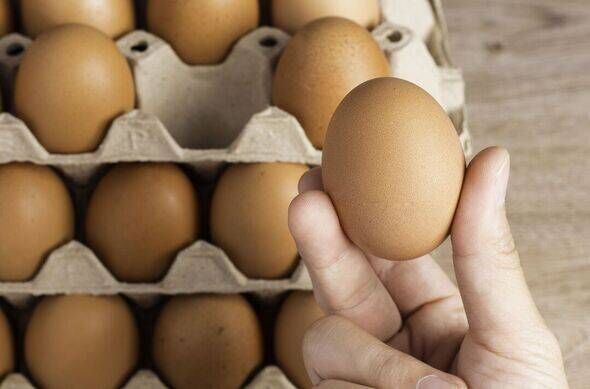
"You may have a lovely looking spiral egg holder or handy egg shelf in your fridge but the truth is nothing can beat the original carton. Not only does the box protect the eggs, but it also shows the best before date which you can refer back to anytime you're unsure."
They recommended keeping eggs in their original carton if refrigerating them, as this prevents bacteria and odours from penetrating the eggshells. The specialists highlighted that for "optimum quality and safety", eggs require a consistent temperature below 20C.
To maintain this, avoid transferring them frequently between extreme temperatures, such as from a hot car to the fridge, or from the fridge to a warm kitchen.
The British Lion eggs team explained: "If you have a cool pantry that doesn't heat up when the kitchen temperature rises, that's fine for storing eggs but whilst a regular kitchen cupboard may seem a relatively constant environment, temperatures can still fluctuate when you're cooking things that produce a lot of heat or steam."
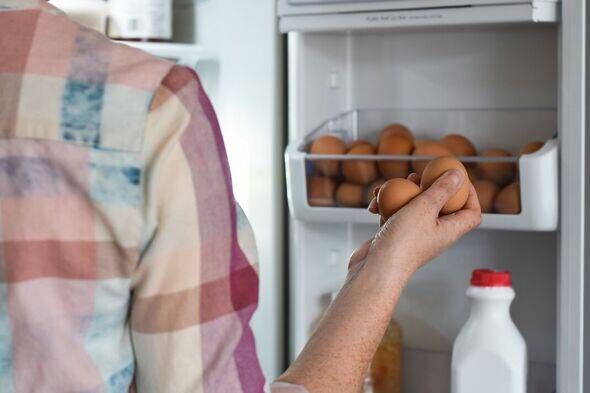
If maintaining a steady temperature in your kitchen proves difficult, they advised refrigerating them instead. Whilst this represents "best practice" for ensuring consistent temperature, the specialists cautioned against cooking eggs directly from the fridge.
Instead, when preparing to use them, remove the eggs from the fridge approximately 30 minutes beforehand to allow them to return to room temperature.
For raw eggs without shells, refrigeration is acceptable provided they're consumed within several days. The egg specialists noted: "Keep the whites and yolks separated - both should be stored in the fridge in air-tight containers to save them from spoiling.
"A simple trick to keep your yolk nice and soft is adding a very thin layer of milk to it - don't drown it!" As for storage, whites can be preserved for approximately two days, while yolks can last up to four.
-
Republic Day long weekend 2026: Best places in India for relaxing getaway

-
Essential Tips for Choosing the Perfect Winter Coat

-
How Indian Grandmother Remedies Align With Modern Pediatric Science

-
Bank Holiday Alert: Will Banks Be Closed on Third Saturday, 17 January 2026? Check RBI Holiday List

-
The Founders and Startups Powering India Forward: National Startup Day 2026