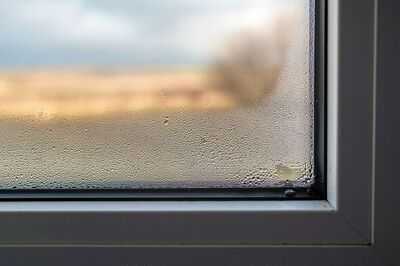
The cold weather in the winter season can wreak havoc on your home, with condensation, damp, mould and foggy windows being common problems at this time of the year.
January kicked off to a particularly cold start, with snow and ice affecting large swathes of the UK, and while the freezing temperatures have abated slightly, conditions still remain cold and wet. The Met Office is forecasting mist, fog and scattered showers this weekend, with temperatures expected to remain cold and potentially dropping below freezing under clear skies. The chilly weather means not only having to wrap up in your winter coat, it also means waking up to windows that are covered in a layer of condensation. The problem is caused when warm air inside your home meets the cold surface of the glass, then cools quickly to form condensation and if left unchecked, it can cause mould and mildew to form which is bad news for your health.
But there is a cheap household remedy that can help prevent condensation from forming, reducing the formation of fog and mould - and it's likely something you already have in your kitchen cupboard: baking soda.
According to window experts, baking soda is the ideal cheap alternative to a dehumidifier as it has excellent moisture absorbing properties.
The natural ingredient is can soak up and trap excess moisture from the air, so when it's placed on windowsills it essentially helps to lower humidity levels in the room, which in turn then reduces the amount of condensation that forms on windows.
Experts recommend filling a bowl with baking soda and placing it on your windowsills to help remove some of the humidity from the air. Even a few tablespoons can make a difference.
You can pick up a 200g tub of baking soda for just 65p at Tesco, Asda and Aldi, so it's a cheap and natural way to help battle condensation during autumn and winter when temperatures drop.
Condensation becomes more common as homes heat up and outdoor temperatures drop, and if moisture is left to build up it can lead to damp patches, mould, and possible health risks.
As such, baking soda is a small but effective tool that can help to keep your home drier throughout the colder months, but it's not a permanent solution so you will need to regularly replace it to ensure it is still absorbing moisture from the air. Even a few tablespoons can make a difference.
Allan Reid, double-glazing and glass expert and founder of Art Windows & Doors, said: "Even a few tablespoons in a small bowl per window can make a noticeable difference over a few days. For larger rooms, you can use multiple containers or refill them more frequently. The powder gradually absorbs moisture from the air, and you'll see less fogging on the glass.
"Put the baking soda near the coldest part of the window or the area most prone to condensation. It's all about letting the powder interact with the damp air before it settles and drips.
"A packet of baking soda costs just 65p from Aldi and can last for weeks on one windowsill. Compare that to a small electric dehumidifier, which can cost £40 to £50 or more, and you're saving hundreds over the winter months if you treat multiple windows in your home."
-
NPCIL Recruitment 2026: Registration Process Starts; Check Selection Process And Other Details Here

-
Thank you, Trump tells Iran for halting execution of political prisoners

-
PCOS in Adolescence: How Early Care Protects Your Future Fertility

-
10 Relationship Rules That Matter More Than All Other

-
6 Superfoods to Eat to Improve Gut Health and Boost Digestion Naturally