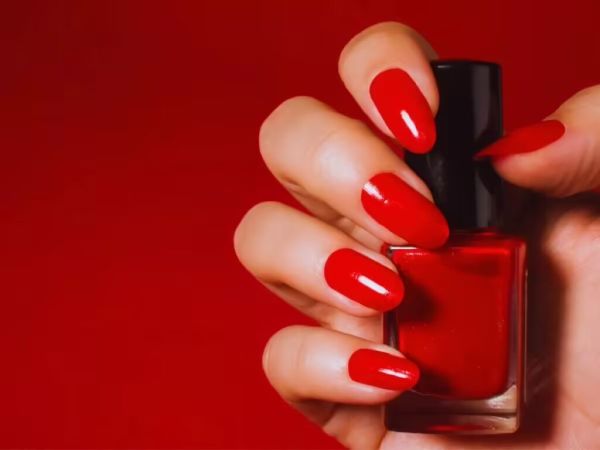
Found in: Hair straighteners, nail products, cleaning agentsFormaldehyde is a known irritant. Studies show its role causing respiratory issues. Most of your nail products and cleaning agents contain this.How to avoid: Read ingredient lists mentioned on the product label carefully. Avoid products with formaldehyde-releasing preservatives.4. Sodium Lauryl Sulfate (SLS) & Sodium Laureth Sulfate (SLES)
Canva
Found in: Toothpaste, shampoos, face washThis is used in toothpaste and shampoos and face washes to create foam and lather. But this one rips the skin off its natural barrier which can cause dryness and irritation.How to avoid: Read the label carefully and avoid buying such products5. TriclosanFound in: Antibacterial soaps, toothpasteTriclosan has raised concerns about hormone disruption and antibiotic issues. In many countries, products containing triclosan are banned.How to avoid: Don’t buy without reading the label. 6. PFAS (“Forever Chemicals”)

Canva
Found in: Non-stick cookware, food packagingPFAS or “forever chemicals” can accumulate in the body. Research links them to immune and metabolic issues.How to avoid: Go for cast iron, stainless steel, or ceramic cookware.7. Oxybenzone & OctinoxateFound in: Chemical sunscreensOxybenzone and octinoxate are found in UV filters which are effective but also controversial due to potential hormone disruption. They can also harm coral reefs.How to avoid: Go for mineral sunscreens8. Artificial Fragrance (“Parfum”)

canva
Found in: Cleaners, cosmetics, candlesThe word “fragrance” actually means hidden chemicals! Some of these are known for causing headaches and skin allergies.How to avoid: Go for essential-oil-based and unscented products9. Artificial Food Dyes (Red 40, Yellow 5)Found in: Packaged snacks, drinksThese synthetic colours are bad for health and are linked to gut irritation. How to avoid: Use natural food colour10. BPA & BPS
canva
Found in: Plastic bottles, food can liningsBPA and its substitute BPS are associated with estrogen-mimicking effects.
How to avoid: Use glass, stainless steel, or BPA/BPS-free plastics only.They say, prevention is better than cure. It’s important to understand that exposure levels matter. Therefore, be aware and attentive of the products you are surrounded by! You can reduce exposure by reading ingredient labels carefully. If not required, reduce fragrance use. Also, avoid heating food in plastic containers. Awareness is not about fear but it’s about informed choices. These small changes often make the biggest difference!
-
What Just Happened? Pak Batter Forgets Ball Is Live, Gifts Wicket To England - WATCH

-
Big Changes For IND vs NZ T20Is: Shreyas Iyer, Ravi Bishnoi Return

-
Virat Kohli Attends Bhasma Aarti At Ujjain's Mahakaleshwar Temple - WATCH

-
Nobel Reaches US: Trump Accepts Peace Prize, But Committee Says Machado Remains Winner

-
La Liga 2026: Real Madrid Announce Squad For Levante Clash, Goalkeeper Andriy Lunin Missing Due To Injury