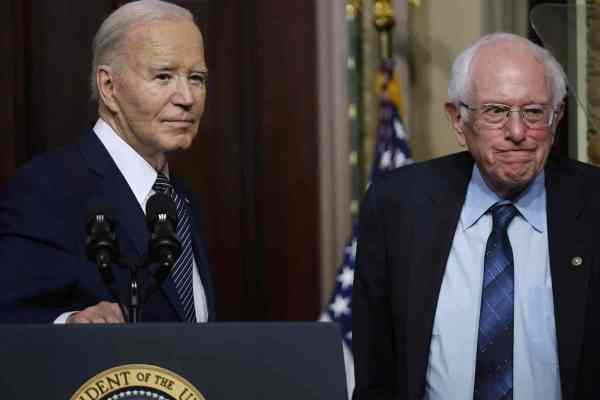
High Prescription Drug Costs in America: The issue of rising prescription drug prices in the United States has long been a concern for patients, policymakers, and healthcare professionals. During a public discussion on healthcare funding, US President Donald Trump shared a personal anecdote involving a wealthy acquaintance to highlight the stark price differences Americans face when purchasing the same medications available at much lower costs abroad. While the story was delivered in a light, almost mocking tone, the underlying message focused on a serious and ongoing problem within the American healthcare system.
Context of the Remarks
The comments were made during a speech centered on improving funding for rural healthcare infrastructure. As Trump addressed the challenges faced by rural communities, he transitioned into a broader critique of prescription drug pricing in the United States. This shift was not accidental; it was meant to connect healthcare access issues with affordability, a topic that resonates with both urban and rural populations.
By choosing a real-life example involving someone wealthy and well-connected, Trump aimed to show that high drug prices affect all Americans, regardless of social or economic status. His point was clear: if even the rich are complaining about drug costs, the burden on average citizens must be far greater.
The Anecdote About Weight Loss Medication
Trump spoke about a friend he described as extremely rich, intelligent, and influential, yet struggling with obesity. According to Trump, the friend had been using a popular weight-loss medication that failed to deliver results in his case. While the humor of the story drew attention, the focus quickly turned to cost disparities across countries.
The friend, who frequently travels internationally for business, reportedly expressed shock at the difference in pricing. In the United States, the medication cost him around 1,300 dollars, while in London, the same product from the same manufacturer was available for just 87 dollars. This comparison became the centerpiece of Trump’s argument.
Drug Price Disparities Between Countries
The dramatic contrast in pricing underscores a long-standing issue in global healthcare economics. Many countries regulate drug prices through government negotiation or centralized healthcare systems. In contrast, the United States largely relies on market-driven pricing, which often results in significantly higher costs for consumers.
Trump used the example to argue that Americans are routinely overpaying for prescription medications that are far more affordable elsewhere. According to his remarks, there was no difference in quality, formulation, or manufacturer, only in the price charged to patients.
Effectiveness Versus Cost
Beyond pricing, Trump also commented on the effectiveness of the treatment for his friend. He claimed that despite using the medication, the friend appeared to have gained even more weight. Trump said he openly told him that the treatment was not working and suggested trying an alternative approach.
However, he also acknowledged that the medication has proven effective for many people. This distinction was important, as it prevented the anecdote from becoming a blanket criticism of the drug itself. Instead, it reinforced the idea that consumers should have access to affordable options and the freedom to explore treatments that work best for them.
Reaction and Tone
According to Trump, the friend was not offended by the remarks and even responded humorously. This detail helped soften the tone of the story while keeping the audience engaged. The casual delivery made the policy discussion more relatable, even though it touched on sensitive topics like body image and personal health.
Broader Implications for Healthcare Policy
The anecdote served as a gateway to a larger policy argument. Trump reiterated his call for lawmakers to take decisive action to lower prescription drug prices nationwide. He also emphasized the importance of strengthening healthcare services in rural areas, where access to affordable medication can be even more limited.
By linking personal experience with policy goals, Trump aimed to build momentum for reforms that would reduce costs and improve healthcare equity. The message was clear: without structural changes, Americans will continue to pay disproportionately high prices for essential medications.
-
Good news for Kavya Maran’s team, eliminate Nita Ambani’s champion side to reach PLAYOFFS in…

-
Shubman Gill signals MAJOR changes after India’s ODI series loss against New Zealand, says, ‘A lot of areas need…’

-
Spain: High-speed train crash leaves at least 39 dead

-
The deserted UK 'ghost village' that was 'paused in time' for 35 years

-
Gurgaon Weather LATEST Update: Dense Fog or Sunny Relief? Check Forecast Here