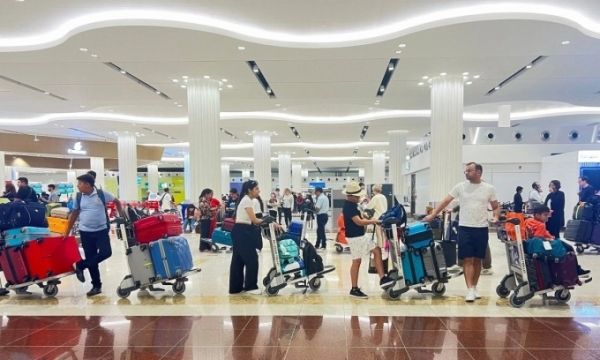
The first two commercial flights carrying Indian nationals from Iran arrived in Delhi late last night, bringing home passengers amid continuing unrest in the country. Officials clarified that these flights were part of regular commercial operations and not a government-led evacuation, even as authorities remain on alert given the volatile situation in Iran.
Routine Flights, But Contingency Plans Ready
Government said the arrivals marked a resumption of normal air travel after recent disruptions, stressing that no formal evacuation exercise has been initiated so far. However, India has kept contingency measures in place and had earlier advised its citizens to avoid non-essential travel to Iran as tensions escalated.
On January 15, several flights between India and Iran were disrupted following the temporary closure of Iranian airspace. With restrictions now eased and air traffic gradually resuming, many Indian nationals chose to return home, citing uncertainty and safety concerns despite signs of partial normalisation on the ground.
Embassy Support & Passenger Reactions
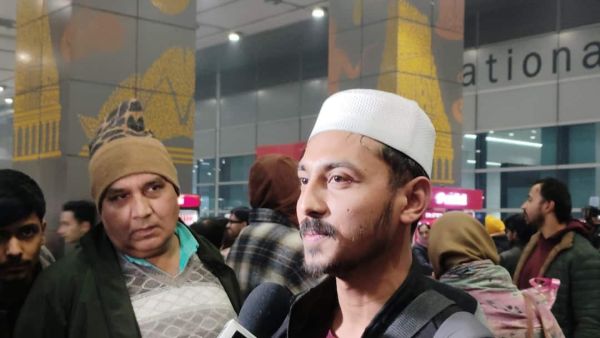
Upon landing in Delhi, several returnees expressed relief and appreciation for the assistance extended by Indian authorities. The Indian Embassy in Tehran had issued regular advisories and remained in touch with pilgrims, students, tourists, and businesspersons to help them navigate the evolving situation and arrange safe travel.
An MBBS student who returned on one of the flights said she was aware of the protests but did not witness them directly, noting that internet services were largely unavailable during her stay. Another passenger described the communication challenges faced during the unrest, saying, “We were there for a month, but the last two weeks were the hardest. Protesters would block cars, and with the internet shut down, we couldn’t reach our families or even contact the embassy,” he told ANI.
A third returnee from Jammu and Kashmir called the situation dangerous and credited the government for facilitating the safe return of Indian students and citizens.
Unrest Triggered By Economic Collapse
The current turmoil in Iran began late last month after the national currency plunged to record lows, triggering widespread anger over economic conditions. What started as protests over rising prices and unemployment quickly spread to all 31 provinces, eventually turning into broader demands for political change.
Human rights groups have alleged that thousands of people have been killed during the crackdown by Iranian authorities. The prolonged internet blackout imposed during the unrest has made independent verification of these claims difficult, adding to international concern.
Uncertainty Persists Despite Easing Tensions
While monitoring groups suggest that the protest movement has weakened under intense security measures, uncertainty remains high. Reports indicate that nearly 3,000 people may have lost their lives in violent clashes over the past two weeks. The situation was further inflamed by an exchange of threats between US President Donald Trump and Iran’s leadership, raising fears of a possible military confrontation.
Recent signals, however, point to a slight easing of tensions, with Trump appearing to soften his stance toward Tehran. India continues to closely track developments, keeping in mind the safety of more than 9,000 Indian nationals currently living in Iran.
-
More passionate than England: Foreigners on Vietnam’s love for football

-
Hina Afridi’s bridal look sparks social media buzz

-
Why Your Kids Look Like Your Ex, According To Research

-
5 Zodiac Signs Have The Best Horoscopes All Week From January 19 – 25, 2026

-
World’s busiest international airport revealed and it’s not Singapore Changi