Brits have been urged to double their intake of an important food to lower their risk of several dangerous health conditions. According to experts, doing so could help protect against heart disease and even cancer.
In an update, the British Heart Foundation (BHF) warned that most of us aren’t eating enough fibre. Also known as roughage, fibre is a type of carbohydrate that cannot be completely broken down by digestion.
It plays a vital role in keeping the digestive system healthy but is also knownto help lower cholesterol, manage blood sugar levels, and reduce blood pressure. The Government recommends we eat around 30 grams of fibre a day.
- Defog car windscreen 'twice as fast' by pushing forgotten switch
- Wuthering Heights fans make same complaint over Margot Robbie 'latex' dress
However, the BHF said the average Brit only eats around 17g - almost half of what is advised. Writing for the BHF, dietitian Tracy Parker, said: “In the UK, the government recommends adults eat 30g of fibre per day, but most of us fall short, averaging around 17g a day.
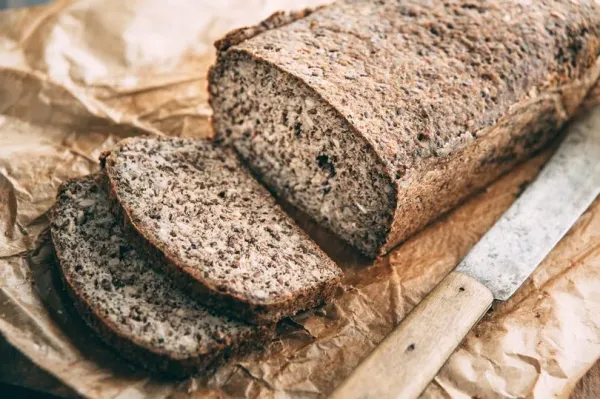
“The good news is that most high fibre foods – including fruit, vegetables, wholegrains, pulses and nuts – fit well into a healthy, balanced diet that will help to protect you from cardiovascular disease.
“And simple swaps, like choosing wholegrain instead of white bread, rice or pasta, can help to increase your intake too.”
Health benefitsMs Parker then detailed some of the benefits of eating fibre. She said: “A high-fibre diet has been linked to having a lower risk of cardiovascular diseases, including having a heart attack or stroke, and some cancers.
“Research has found eating more fibre may improve several risk factors for cardiovascular disease.” According to Ms Parker, these include:
- High cholesterol – some soluble fibre, such as oat beta glucans found in porridge, can help lower blood cholesterol levels by reducing the amount of cholesterol absorbed in your gut
- Excess weight – high-fibre foods leave you feeling fuller and tend to contain less energy (calories) than foods low in fibre, which supports weight loss
- Type 2 diabetes – eating more fibre, especially cereal fibre and wholegrains, can help to manage blood sugar levels and may lower the risk of developing diabetes
- High blood pressure – studies have also shown a link between a high fibre intake and reduced blood pressure
Her advice is backed by the NHS, which says: “Most of us need to eat more fibre and have fewer added sugars in our diet. Eating plenty of fibre is associated with a lower risk of heart disease, stroke, type 2 diabetes and bowel cancer.
“Government guidelines say our dietary fibre intake should increase to 30g a day, as part of a healthy balanced diet.” The NHS adds that children don't need as much fibre in their diet as older teenagers and adults, but they “still need more than they get currently”.
The amount of fibre needed for children is:
- 2 to 5 year-olds: need about 15g of fibre a day
- 5 to 11 year-olds: need about 20g
- 11 to 16 year-olds: need about 25g
The BHF listed the following foods that are rich in fibre:
- Red kidney beans - 11.1 grams of fibre per 100g
- Wholemeal bread, toasted - 8.2g
- Porridge oats - 7.8g
- Green and brown lentils, boiled - 7.4g
- Peanuts, dry roasted - 7.6g
- Peas, boiled - 5.6g
- Sweet potato, baked - 5.2g
- Baked beans in tomato sauce - 4.9g
- Wholewheat spaghetti pasta - 4.2g
- Broccoli, steamed - 3.8g
- Raspberries - 3.7g
-
India-Bangladesh Cricket Row Deepens As Captains Snub Handshake In U19 World Cup Clash

-
PM Modi Flags Off India’s First Vande Bharat Sleeper Train Between Howrah And Guwahati: WATCH
-
Indian Cyclists Gear Up For Historic Pune Grand Tour 2026, India’s First UCI 2.2 Multi-Stage Road Race

-
PIL In Supreme Court Challenges NBEMS Decision To Slash NEET-PG Cut-Off Allowing Near-Zero Scores To Qualify
-
Hania Aamir, Asim Azhar’s pre-wedding events allegedly begin