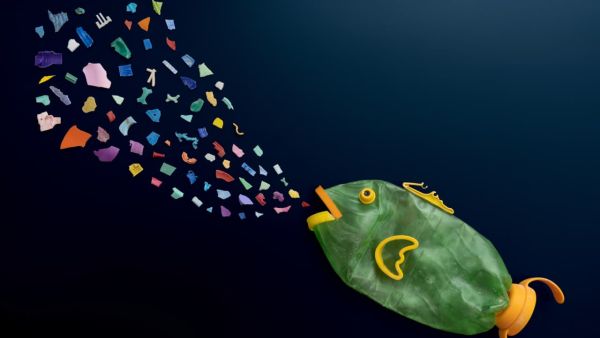
Discover how microplastic pollution is silently disrupting the ocean's ability to absorb carbon. Learn how these tiny fragments impact marine life and weaken a vital tool against climate change.
Tiny pieces of plastic are gradually weakening the ocean’s ability to absorb carbon dioxide. Scientists now warn that microplastics are affecting natural ocean processes that help maintain Earth’s stable temperature, adding a new concern to the growing problem of plastic pollution. The research was published in the Journal of Hazardous Materials: Plastics.

Microplastics are very small plastic fragments, smaller than five millimetres. They form when bigger plastic items break down over time or are released directly through products such as synthetic clothing, tires, and cosmetics. These particles are now found almost everywhere, from the deepest parts of the ocean to rivers, farmland, Arctic ice, the air we breathe, and even inside the human body.
Climate Risks
Since they are so widespread, microplastics pose serious environmental risks. They can absorb harmful chemicals and bacteria, which are then consumed by animals and move up the food chain to humans. However, one area that has received far less attention is how these tiny plastics interact with the climate system.
A recent scientific review highlights that plastic pollution and climate change are closely linked. The ocean plays a vital role in slowing global warming by absorbing large amounts of carbon dioxide from the atmosphere. Much of this carbon is captured through natural biological processes involving tiny marine life. Microplastics are now disrupting these processes.
At the centre of this issue is the ocean’s carbon cycle. Tiny marine plants called phytoplankton absorb carbon dioxide through photosynthesis, just like plants on land. When these organisms are eaten by small animals, known as zooplankton, or sink to deeper waters after they die, the carbon they contain is carried away from the surface and stored in the deep ocean. This system, often called the biological carbon pump, helps lock carbon away for long periods.
How Microplastics Are Disrupting the Systems
Studies show that when phytoplankton are exposed to microplastics, their ability to photosynthesize is reduced. This means they absorb less carbon dioxide. Zooplankton that ingest microplastics may also suffer from reduced energy and impaired metabolism, which affects how carbon moves through the food web. Together, these changes weaken the ocean’s ability to act as a carbon sink.
Another problem comes from what scientists call the plastisphere. This is a layer of microbes that quickly forms on the surface of plastic particles floating in water. These microbial communities behave differently from natural marine microbes. Their activity can produce greenhouse gases and interfere with normal carbon and nitrogen cycles, adding another source of climate-warming emissions.
Ocean Warming
As microplastics slowly break down, they can also release greenhouse gases directly into the environment. Over time, the effects of disrupted marine life, reduced carbon storage, and added emissions could contribute to ocean warming, increased acidity, and loss of biodiversity. These changes threaten fish stocks, food security, and the livelihoods of coastal communities worldwide.
Research Gaps
One major gap is that much of the existing research has focused on measuring how much plastic is in the environment or finding ways to clean it up. Far less attention has been paid to how microplastics affect large-scale systems such as climate regulation. Because this field is still relatively new and complex, many of the long-term effects remain unclear.
What is clear is why plastic pollution has become so widespread. Global plastic production now exceeds 400 million tonnes each year, with around half designed to be used only once. Less than ten percent is recycled, and most ends up in landfills or the natural environment. Without major changes, plastic production could triple by 2060.
Scientists argue that plastic pollution and climate change must be addressed together. Even if the current effects of microplastics on ocean carbon absorption seem small, their gradual build-up means the problem will grow.
Saving the Future
They are calling for coordinated global action, including reducing single-use plastics, improving waste management, developing biodegradable alternatives, and investing in research that links plastic pollution to climate processes. Better monitoring tools, including artificial intelligence, could also help track microplastics and limit their spread.
Protecting the ocean’s ability to absorb carbon dioxide is essential for tackling climate change. As researchers warn, dealing with plastic pollution is no longer just about cleaning beaches or protecting wildlife. It has become a key part of safeguarding the planet’s climate and long-term sustainability.
-
Goa nightclub fire: Establishment was flagged for illegal construction in 2024

-
Meet Hussain: Tolichowki’s viral paan wala on MasterChef India 9

-
Kajal Aggarwal shares the mantra she lived by in 2016

-
NCC cadets are architects of Viksit Bharat: Defence Secretary

-
Sri Vedavardhana Tirtha Swamiji ascends Sarvajna Peetha as Paryaya begins in Udupi