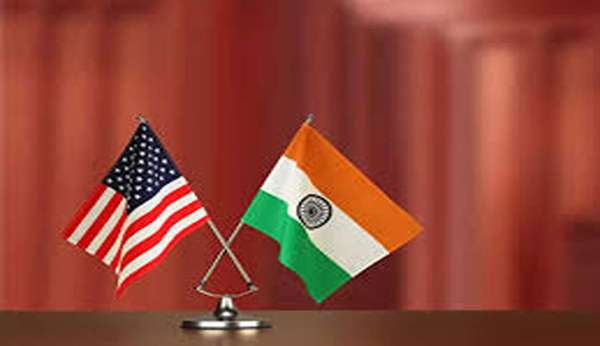
A Delayed Arrival and High Expectations: The current phase of relations between India and the United States is marked by uncertainty, cautious optimism, and unresolved concerns. Diplomatic ties that once showed steady momentum now appear fragile, raising questions about intent, trust, and long-term strategic alignment. Against this backdrop, the arrival of a new US ambassador in New Delhi carries significance far beyond routine protocol.
A Symbolic Delay with Deeper Meaning
In India, the phrase “Dilli door hai” is often used to suggest that a goal still lies far away. This sentiment seems relevant when examining how long it took for the newly appointed US ambassador to finally reach New Delhi. A delay of nearly seven months between announcement and assumption of duty inevitably invited speculation. In diplomacy, timing often conveys intent, and prolonged gaps can unintentionally send signals of indifference or deprioritisation.
This was not the first time India experienced such a diplomatic vacuum. From early 2021 until well into 2023, New Delhi functioned without a formally appointed US ambassador. That period coincided with important global shifts, including supply chain realignments, regional security concerns, and evolving power equations in Asia. The absence was felt, debated, and noted within strategic circles in India.
Lessons from the Past Appointment Gap
The earlier delay stemmed from internal political processes in Washington. Although the administration under Joe Biden had finalised a nominee, allegations and investigations slowed the confirmation process. While such scrutiny is part of democratic governance, the prolonged absence raised legitimate questions. Observers in India wondered whether the partnership was receiving the attention it deserved, especially at a time when bilateral cooperation was being publicly emphasised.
Eventually, a new ambassador took charge and completed his tenure by mid-2025. However, the perception of inconsistency lingered. Diplomatic relationships thrive on continuity, and repeated delays tend to erode confidence, even when intentions are positive.
A Trusted Envoy with Multiple Responsibilities
The appointment of Sergio Gor as ambassador came directly from the confidence of Donald Trump, under whose leadership he enjoys considerable trust. Gor is widely regarded as a key figure within Trump’s inner circle, known for his access, influence, and loyalty. This closeness has raised hopes in India that communication gaps could narrow, and misunderstandings could be addressed more effectively.
At the same time, Gor has been assigned additional responsibilities as Special Envoy for South and Central Asian Affairs. This dual role places him at the center of a complex geopolitical landscape involving regional security, economic connectivity, and great power competition. While the expanded mandate underscores trust in his capabilities, it also raises concerns about bandwidth and focus when it comes to India-specific issues.
Restoring Balance in a Strategic Partnership
Upon assuming office, Gor publicly stated that improving ties between the two democracies would be a top priority. This reassurance matters, particularly when relations appear strained by trade disputes, tariff threats, and divergent regional approaches. India has repeatedly voiced concerns about what it perceives as unequal treatment, especially when compared with other global actors.
Indian policymakers and citizens alike question why punitive trade measures seem disproportionately targeted at India, even as other nations continue similar economic engagements without comparable pressure. These concerns are amplified when viewed alongside Washington’s continued engagement with Pakistan and its complex relationship with China.
Understanding Interests on Both Sides
Every ambassador is expected to protect and advance the interests of their own country. Gor is known to be a strong supporter of the America First doctrine, and there is little doubt that his primary loyalty lies with Washington. This is neither unusual nor objectionable. However, successful diplomacy requires an understanding that mutual respect and reciprocity strengthen outcomes for both sides.
India is not merely a regional player; it is a key stakeholder in Indo-Pacific stability, global economic growth, and democratic cooperation. Any attempt to manage the relationship through pressure rather than partnership risks long-term setbacks.
The Road Ahead for Bilateral Trust
For India–US ties to regain momentum, open dialogue and genuine consideration of each other’s concerns will be essential. Gor’s familiarity with Indian culture and his understanding of relationship-driven diplomacy could prove valuable assets. India places great importance on trust, memory, and mutual support, values that have historically underpinned its strongest international partnerships.
If the new ambassador can effectively convey India’s perspective to Washington while maintaining strategic clarity, he may succeed in rebuilding confidence. The challenge is substantial, but so is the opportunity. The future of this relationship will depend not only on policies, but on perception, patience, and principled engagement.
-
Vijay Varma shares selfie with a ‘Golden Toilet’ at Amitabh Bachchan’s house
-
Five Indians Who Lost World Cup Chances To Injury - Will Washington Be Ruled Out Too?
-
Veteran Domestic Cricketer Slams India Coach's Rohit Sharma Remark, Sparks Online Backlash
-
Union Budget 2026 | Why Silence On Gig Workers, Cybercrime And Green Taxonomy Is Risky
-
Kerala-style tomato chutney: Tangy, aromatic side dish you'll want with every meal