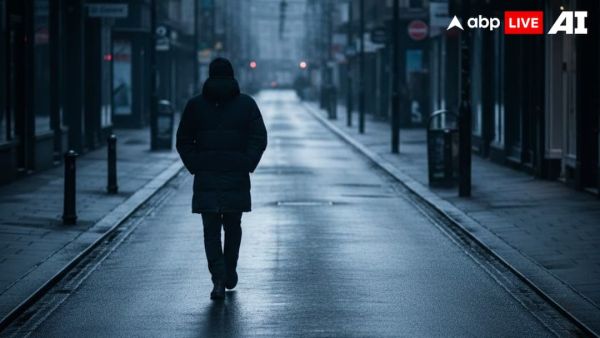
Every January, a particular Monday quietly earns a gloomy reputation across headlines and social media. Popularly labelled as Blue Monday, it is often described as the most depressing day of the year. While the phrase sounds scientific, its roots are far more cultural than clinical. Still, the idea continues to resonate with millions who find the start of the year emotionally draining.
Blue Monday usually falls on the third Monday of January, a time when festive cheer has faded, motivation feels low, and winter seems endless. But is there really one day that defines collective sadness, or is there more to the story?
The Origin Story
Coined as 'Blue Monday' by Cliff Arnall, the third Monday of each January is thought of as depressing and cold... and this is why. pic.twitter.com/aQmWNOR2ho
— Cultura Colectiva+ (@ccplus) January 21, 2025
The concept of Blue Monday emerged in the mid-2000s as part of a promotional campaign by a travel company. It is believed to have been introduced by psychologist Cliff Arnall. The idea was to encourage people to book holidays during a traditionally slow travel period. A formula was introduced, claiming to calculate peak sadness by factoring in weather, debt, broken resolutions, and time since Christmas.
Why January Feels Emotionally Heavy

Mental health experts agree on one thing: emotions cannot be assigned to a calendar date. However, January does come with genuine challenges. Shorter daylight hours, cold weather, post-holiday expenses, disrupted routines, and unmet New Year goals can all contribute to low mood and fatigue.
This shared experience is why Blue Monday continues to feel relatable, even if it isn’t medically recognised.
A Cultural Phenomenon, Not A Medical Diagnosis
Blue Monday is best understood as a symbolic reminder rather than a proven psychological event. Experts stress that feeling low is not limited to one day, and support, rest, and self-care matter throughout the year.
Perhaps the real value of Blue Monday lies in starting conversations about mental wellbeing, seasonal stress, and the importance of checking in on ourselves and others, long after January has passed.
-
Government Jobs 2026: Bumper government recruitment for 10th and 12th pass candidates, over 2900 posts to be filled in Assam Police, Forest and Fire departments..

-
IIT Kharagpur Vacancy: IIT is recruiting for professor positions; learn about all the necessary application requirements..

-
APS Haryana Vacancy: Army Public School is recruiting for teaching and non-teaching positions; apply by this date..

-
DMSRDE: A great opportunity to get a two-year research fellowship in Kanpur; selection will be through a walk-in interview..

-
If you've booked a ticket, hold on! Have railways canceled these trains? Is your train among them?