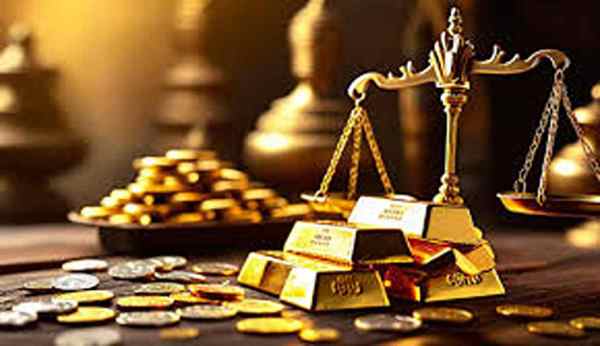
Gold and Silver: Gold and silver prices recorded a sharp rise on January 19 as global investors moved decisively toward safe-haven assets amid rising geopolitical uncertainty. Fresh concerns emerged after renewed trade-related threats from the United States against European nations, triggering volatility across international financial markets. In India, the impact was clearly visible as precious metal prices climbed to new levels, reflecting both global cues and domestic demand trends.
Rising Gold Prices in the Indian Market
In the Indian bullion market, gold prices moved higher across major cities. The price of 24-carat gold in Mumbai reached Rs 1,45,690 per 10 grams, while 22-carat gold was quoted at Rs 1,33,550 per 10 grams. These prices are exclusive of applicable GST and making charges, which vary by jeweller and region. Similar price levels were observed in other metropolitan cities such as Delhi, Bengaluru, Chennai, and Kolkata, indicating a broadly uniform pricing pattern nationwide.
The increase in domestic gold rates is closely aligned with international market movements, currency fluctuations, and heightened investor demand. Indian buyers, both retail and institutional, tend to respond quickly to global developments, especially during periods of economic or political stress.
City-Wise Gold Rate Overview
Gold prices across key Indian cities remained largely consistent, with minor variations due to local taxes and transportation costs. Delhi and Jaipur reported 22-carat gold at Rs 1,33,700 per 10 grams and 24-carat gold at Rs 1,45,840 per 10 grams. Ahmedabad quoted slightly lower rates, while cities such as Pune, Mumbai, Hyderabad, Chennai, Bengaluru, and Kolkata aligned closely at Rs 1,33,550 for 22-carat and Rs 1,45,690 for 24-carat gold per 10 grams.
These figures highlight the interconnected nature of India’s bullion markets, where global pricing signals are quickly reflected across regions.
Silver Touches a New Record High
Silver prices also surged dramatically, reaching a fresh all-time high of Rs 3,05,100 per kilogram in the spot market. The sharp rise in silver prices is attributed to increased safe-haven buying and expectations of sustained demand from industrial sectors. Silver often mirrors gold during times of uncertainty, but its dual role as both an investment asset and an industrial metal can amplify price movements.
Global Gold Market Performance
In the international market, spot gold prices climbed approximately 1.5 percent to $4,663.37 per ounce, after briefly touching a record high of $4,689.39 per ounce. US gold futures for February delivery also jumped, reflecting strong bullish sentiment among global traders. The rally was supported by a decline in US stock futures and a weaker dollar, both of which tend to enhance the appeal of dollar-denominated commodities like gold.
Geopolitical Developments Driving Demand
The latest surge in precious metal prices has been largely driven by escalating geopolitical tensions. Trade-related statements from the US administration concerning Europe and strategic territories have unsettled investors. In response, European policymakers have reportedly begun preparing countermeasures, adding another layer of uncertainty to the global economic outlook.
Such developments typically encourage investors to reduce exposure to riskier assets like equities and move funds into traditional stores of value. Gold, in particular, benefits from this shift due to its long-standing reputation as a hedge against political and economic instability.
Impact on Currency and Equity Markets
Alongside rising gold prices, global financial markets witnessed a risk-averse trend. US stock futures declined, while the dollar weakened against other major currencies. At the same time, traditional safe-haven currencies such as the Japanese yen and Swiss franc gained strength. This broader market reaction further reinforced the upward momentum in precious metals.
Why Gold Thrives in Uncertain Times
Gold is a non-yielding asset, meaning it does not offer interest or dividends. However, in a low-interest-rate environment combined with geopolitical and economic uncertainty, the opportunity cost of holding gold decreases. Investors often prefer stability over yield during such periods, making gold an attractive option.
Key Factors Influencing Gold Prices in India
Several elements determine daily gold prices in India. International bullion rates play a central role, as India imports a significant portion of its gold requirement. Import duties, domestic taxes, and fluctuations in the rupee against the US dollar also contribute to price movements. Together, these factors shape the final retail price consumers see each day.
Cultural and Investment Significance of Gold
In India, gold holds deep cultural and financial importance. It is not only a preferred investment asset but also an integral part of weddings, festivals, and religious ceremonies. This consistent underlying demand often provides support to gold prices, even during periods of market volatility.
Staying Informed in a Dynamic Market
With global markets reacting swiftly to political statements, economic data, and policy changes, gold and silver prices are likely to remain volatile. Investors and traders closely monitor these developments to make informed decisions. Staying updated with market trends, global cues, and currency movements is essential for navigating the evolving precious metals landscape effectively.
-
TCS Fresher Shares 'Cryptic' HR Email Asking For An In-Person Meeting; Netizens Ask Him To 'Prepare To Be Fired'

-
iPhone Fold, iPhone 18 Pro Max, iPhone 18 Pro Specifications Leaked: No Touch ID On Foldable, Apple N2 Silicon Tipped

-
Who Is Gilli Nata? Everything You Need To Know About Bigg Boss Kannada 12 Winner

-
'Prize Cannot Be Symbolically Passed On': Nobel Foundation After Machado Gives Her Award To Donald Trump
-
Ravindra Jadeja set to play for Saurashtra in Ranji Trophy, Shubman Gill likely to…