
Pets are not just companions, but family as well. Yet, unknowingly, pet owners often engage in everyday habits that can negatively affect the health and longevity of their furry friends. From dietary mistakes to lack of physical activity, certain seemingly harmless routines can shorten your pet’s lifespan and compromise their quality of life. Understanding these habits and making small but impactful changes can ensure that your dog or cat enjoys a longer, healthier, and happier life.
ABP Live Pet First | 8 Warning Signs Of Dehydration In Pets Every Owner Must Never Ignore
1. Overfeeding And Unhealthy Treats

One of the most common habits that shortens pets’ lives is overfeeding or giving too many unhealthy treats. Many owners believe that extra food or table scraps is a sign of love, but it can lead to obesity, diabetes, heart disease, and joint problems in pets. Even “pet-friendly” treats should be given in moderation. Obese pets are also more prone to respiratory problems and have a significantly shorter lifespan. The solution is to follow veterinarian-recommended portion sizes, choose balanced diets, and use healthy treats like small pieces of carrots or specially formulated low-calorie snacks. Regular weight checks can also help detect early signs of unhealthy weight gain.
2. Lack Of Exercise
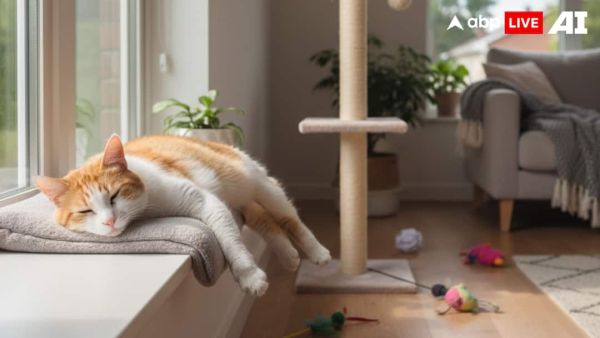
Physical activity is crucial for your pet’s overall health. Sedentary lifestyles can contribute to obesity, heart disease, poor digestion, and behavioural issues like anxiety or aggression. Dogs, in particular, need daily walks and playtime, while cats benefit from indoor toys, climbing spaces, and interactive games. Exercise helps maintain a healthy weight, strengthens muscles and joints, and stimulates the mind. Without it, pets can develop lethargy, depression, and even chronic illnesses. Setting aside at least 30–60 minutes a day for structured exercise, along with mental stimulation, can drastically improve your pet’s lifespan.
3. Ignoring Routine Veterinary Check-Ups

Skipping regular vet visits is another habit that can harm your pet’s longevity. Preventive care is essential to catch illnesses early, administer vaccinations, and monitor growth and weight. Many conditions, such as kidney disease in cats or heart problems in dogs, show subtle symptoms until they become severe. Annual or bi-annual check-ups allow vets to detect these early and recommend timely treatment. Ignoring routine visits may save money in the short term but can lead to expensive and life-threatening complications later. Proactive veterinary care ensures your pet remains healthy, happy, and active for years to come.
4. Neglecting Dental Health
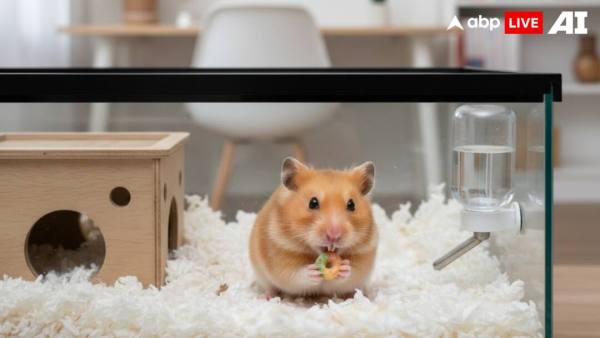
Dental hygiene is often overlooked but plays a significant role in pets’ overall health. Plaque, tartar, and gum disease can lead to infections that affect the heart, liver, and kidneys. Many pets show no obvious signs of oral pain, making regular brushing, dental treats, and professional cleanings essential. Poor oral health can also affect appetite, behaviour, and weight. Dogs and cats with untreated dental issues are more prone to systemic infections and reduced lifespan.
5. Allowing Constant Stress Or Anxiety

Pets are highly sensitive to their environment. Continuous exposure to loud noises, abrupt changes, separation anxiety, or neglect can elevate stress hormones, weaken immunity, and trigger behavioural problems. Chronic stress may increase susceptibility to infections, gastrointestinal issues, and heart conditions, ultimately reducing lifespan. Providing a stable environment, daily social interaction, training, and mental stimulation helps minimise stress. Identifying triggers and seeking guidance from veterinarians or animal behaviourists ensures that your pet lives a calmer, healthier, and longer life.
6. Inadequate Grooming

Regular grooming is more than just aesthetics, it protects pets from infections, matting, and parasites. Overgrown fur, dirty ears, and neglected nails can cause pain, mobility issues, and even systemic infections. Grooming also allows owners to spot lumps, skin conditions, or parasites early. Cats and dogs with long hair may require brushing several times a week, while short-haired pets need less frequent attention. Bathing, nail trimming, and ear cleaning are essential for hygiene and health.
7. Feeding Human Food

Many owners unintentionally harm their pets by sharing human food. Chocolate, onions, garlic, alcohol, caffeine, and certain artificial sweeteners are toxic to dogs and cats. Even small amounts can trigger vomiting, seizures, kidney failure, or death. Feeding cooked bones or fatty scraps can cause choking or digestive issues. While sharing a small treat may seem harmless, regular exposure increases risk. Sticking to species-specific diets and approved pet snacks is crucial.
8. Skipping Vaccinations And Parasite Control

Routine vaccinations and parasite prevention are vital for safeguarding pets against life-threatening diseases. Skipping shots against rabies, parvovirus, or feline leukemia, or ignoring flea, tick, and worm control, exposes pets to preventable illnesses. These conditions can be fatal or cause chronic health issues. Parasites also affect pets’ comfort and can transmit diseases to humans. Consulting veterinarians for age-appropriate vaccination schedules and monthly parasite control ensures pets remain protected.
9. Ignoring Mental Stimulation
Pets need mental exercise as much as physical activity. Boredom can lead to destructive behaviour, depression, anxiety, and cognitive decline, particularly in older animals. Dogs benefit from puzzle toys, obedience training, and social interaction, while cats enjoy interactive toys and climbing spaces. Mental engagement supports brain health, reduces stress, and strengthens bonds with owners. Providing variety, new challenges, and rewards helps keep pets sharp, active, and happy.
-
Ravindra Jadeja set to play for Saurashtra in Ranji Trophy, Shubman Gill likely to…

-
Who is Gilli Nata, Bigg Boss Kannada 12 winner, also appeared in…

-
KL Rahul Smashes Brilliant Century Vs NZ, Excels In Middle-Order

-
डेरिल मिचेल का ऑलराउंडर अवतार: भारत के खिलाफ वनडे सीरीज में बने 'प्लेयर ऑफ द सीरीज' के दावेदार; अब टी20 सीरीज में कीवी टीम के मुख्य हथियार होंगे मिचेल

-
From the memoir: How Mallu Swarajyam and her comrades fought against gender exploitation