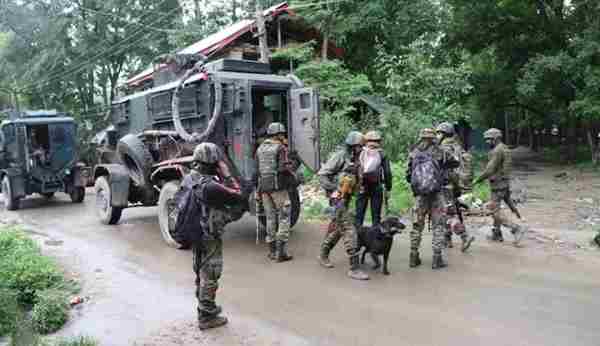
High-Risk: Seven soldiers were injured, including two in critical condition, during an intense counter terror encounter in the rugged Sonar region of Kishtwar district on Sunday. The incident highlights the persistent security challenges in high-altitude forested zones of Jammu and Kashmir, where armed militants continue to exploit difficult terrain. Injured personnel were swiftly evacuated by helicopter to a military hospital in Udhampur, reflecting the urgency and seriousness of the situation as well as the preparedness of security agencies.
Background of the Security Operation
The encounter began when security forces initiated a cordon-and-search operation in the Sonar area of Chatroo, acting on precise intelligence inputs indicating the presence of terrorists. Such operations are a routine yet high-risk component of counter insurgency strategy in the region. As teams advanced to seal potential escape routes, they were met with sudden and heavy gunfire, forcing troops to respond immediately. The exchange of fire quickly escalated, resulting in injuries to multiple soldiers.
Nature of the Encounter and Terrain Challenges
The Sonar and Chatroo belt is known for its dense forests, steep slopes, and limited road connectivity. These geographical features often give armed groups tactical advantages such as concealment and escape corridors. Operating in this environment requires not only combat readiness but also physical endurance and precise coordination. Officials confirmed that despite the challenging conditions, the troops maintained discipline and operational focus while engaging the attackers.
Weapons and Threat Assessment
According to preliminary assessments, the terrorists involved in the encounter are believed to be equipped with AK-47 rifles, grenades, and other advanced weapons. Such firepower significantly increases the risk to personnel during close-range encounters. The use of automatic weapons and explosives also suggests that the militants were prepared for a prolonged confrontation rather than a brief skirmish.
Reinforcement and Area Domination Measures
Following the initial exchange, additional troops were rushed to the encounter site to strengthen the cordon and prevent militant escape. Security planners prioritized area domination, ensuring that surrounding forest patches and ridgelines were covered. The induction of reinforcements reflects a standard tactical response aimed at neutralizing threats while minimizing further casualties.
Aerial Surveillance and Technology Support
To enhance situational awareness, drones and helicopter surveillance were deployed across the operation zone. Aerial assets play a critical role in modern counter terror missions by providing real-time visuals, tracking movement, and identifying hideouts in inaccessible areas. Authorities also issued alerts to nearby villages, advising residents to remain indoors and report any suspicious activity.
Official Statement and Operational Conduct
In an official communication, the White Knight Corps of the Indian Army stated that contact was established with terrorists during a deliberate joint search operation conducted alongside the Jammu and Kashmir Police. The statement emphasized the professionalism and resolve shown by troops while responding to hostile fire under demanding terrain and weather conditions. It further confirmed that operations remain ongoing with close coordination among military units, civil administration, and security agencies.
Medical Evacuation and Soldier Care
The injured soldiers were airlifted to a military hospital in Udhampur, where specialized medical teams are monitoring their condition. Rapid evacuation and access to advanced medical facilities are crucial in saving lives during such incidents. Authorities have not disclosed individual identities, maintaining standard protocol and respect for operational sensitivity.
Wider Security Implications
Encounters like the one in Sonar underscore the evolving nature of security operations in Jammu and Kashmir. While militant numbers may fluctuate, their ability to regroup in remote areas remains a concern. Continuous intelligence gathering, community cooperation, and technological integration are considered essential for sustaining long-term stability in districts like Kishtwar.
Ongoing Operations and Public Advisory
Security forces have reiterated that the operation is still underway and that the situation is being closely monitored. Residents in adjacent areas have been urged to follow official advisories and avoid movement near forest zones until clearance is declared. Authorities remain focused on ensuring civilian safety while pursuing the objective of neutralizing armed threats.
-
If BCB Boycott, Which Team Will Replace Bangladesh At ICC T20 World Cup 2026?

-
HSNC University Organises Two-Day National Workshop On ‘Doing Academic Writing Differently’
-
Pak Politician Marriyum Aurangzeb's Transformation Took Netizens By Surprise; Take A Look At Her Education & Career Highlights

-
Happy Patel, Rahu Ketu Box Office Collection Day 3: Both Films Struggle To Gain Momentum

-
Pakistan: Death Toll Rises To 10 In Fire At Karachi’s Gul Plaza; Around 60 People Still Missing