
{By: Dr Sampada Dessai}
A mother's health plays an important role in the family. It is she who takes care of all others in the family. This can be effectively done if she is healthy. Often, she neglects her own health. When one thinks of women's health, one should always think of cervical health too. This is because cervical cancer is one of the most common health problems in women, it also affects younger women. One can very well utilise motherhood as an opportunity to screen for cervical cancer. Even opportunistic screening can decrease the burden of cervical cancer.
What Is Cervical Cancer And How It Develops
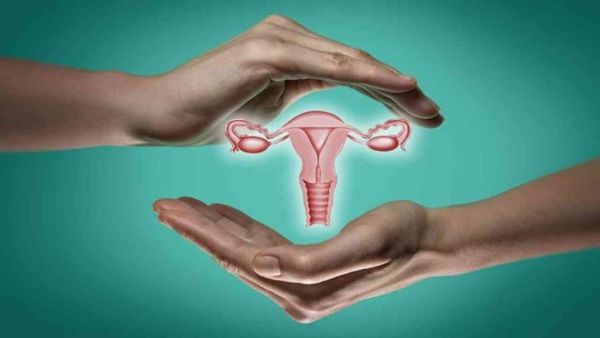
Cervical cancer develops in the cervix, the lower part of the uterus, also called the mouth of the uterus. Cancer is mostly caused by a virus called Human Papillomavirus ( HPV). HPV is spread by skin-to-skin contact and sexually. HPV is very common virus, and most infections resolve on their own. However, when the infection persists, it can lead to precancerous changes and eventually cervical cancer. The good news is that this process usually takes many years, providing a long window for detection and treatment before cancer develops.
Screening Tests That Can Detect Cervical Cancer Early
There are different screening tests available to detect infection with HPV as well as the precancerous lesions on the cervix. Pap smear and HPV DNA test are the most commonly used methods of screening. Pap smear screening is recommended to begin at 21 years of age and should be done once every three years until the age of 65. I can detect the changes at the cellular level caused by HPV infection, which, if not treated, can become cancerous over period of time. HPV DNA testing is advised after 30 years of age. It detects the presence of HPV infection. When both Pap smear and HPV DNA tests are negative, the screening interval can safely be extended to once every five years. These screening tests are simple tests and can be done by a gynecologist. Mothers can utilise their gynec visits to use it as opportunity to screen themselves.
HPV Vaccination: Protecting The Present And The Future
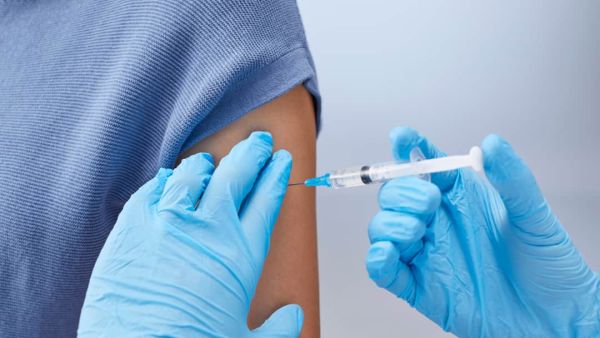
Vaccination against HPV is another powerful strategy in preventing cervical cancer. HPV vaccines are recommended for children and young adults between 9 and 26 years of age and may also be taken beyond this age after consultation with a healthcare professional. Vaccinating the young population significantly reduces the risk of future cervical cancer. Mothers being aware of this can vaccinate their young children against this virus, protecting the future generation from getting this cancer.
Everyday Steps That Reduce Cervical Cancer Risk
Maintaining good hygiene, vaccinating oneself and the younger population whenever eligible, getting screened regularly, taking treatment for any cervical infections, spreading awareness to one's own colleagues, and encouraging them to take care of their cervical health will definitely help in decreasing cervical cancer incidence.
The author, Dr Sampada Dessai, is a Consultant, Gynecological Cancer and Robotic Surgeon, at P. D. Hinduja Hospital & Medical Research Centre, Mahim.
[Disclaimer: The information provided in the article is shared by experts and is intended for general informational purposes only. It is not a substitute for professional medical advice, diagnosis, or treatment. Always seek the advice of your physician or other qualified healthcare provider with any questions you may have regarding a medical condition.]
-
How to Use WhatsApp’s Blur Tool on iPhone: Step-by-Step Guide to Hide Sensitive Details

-
How to Reduce Mobile Data Usage During WhatsApp Voice Calls: Easy Settings for Android and iPhone Users

-
India Exim Bank Recruitment 2026: Applications for Management Trainee positions at Exim Bank have started; apply online..

-
How to Use Boomerang and Hyperlapse Features on Instagram: Complete Step-by-Step Guide

-
How to Temporarily Limit Someone from Commenting on Your Instagram Posts: A Complete Privacy Guide