You may sweep and mop your home daily, yet harmful germs can still thrive in places you least expect. Home hygiene is not just about shiny floors or pleasant smells, it plays a direct role in preventing infections, allergies, stomach issues, and even respiratory problems. Surprisingly, several everyday household spots carry more bacteria than a toilet seat, simply because they are touched frequently and cleaned far less often.
From kitchens to living rooms and even bedrooms, these hidden germ hotspots quietly collect bacteria, dust, and moisture, throughout the day. Here are eight common places at home that are often dirtier than a toilet seat, along with why cleaning them daily is essential.
1. Kitchen Sink And Tap Handles
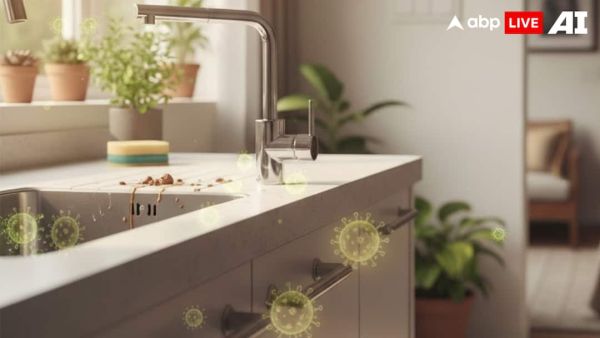
The kitchen sink is one of the most misleading areas in any home. Because water flows through it constantly, many people assume it stays clean automatically. In reality, the sink and tap handles are among the most bacteria-loaded surfaces in the house. Food scraps, raw vegetables, meat residue, and moisture combine to create the perfect breeding ground for germs like E. coli and salmonella. Tap handles are touched repeatedly with dirty hands, before washing vegetables, after handling raw food, and even after wiping counters. This repeated contact spreads bacteria rapidly. Daily cleaning with warm water and a mild disinfectant significantly reduces bacterial build-up and prevents unpleasant odours. A quick wipe after cooking can make a noticeable difference to kitchen hygiene.
2. Chopping Boards
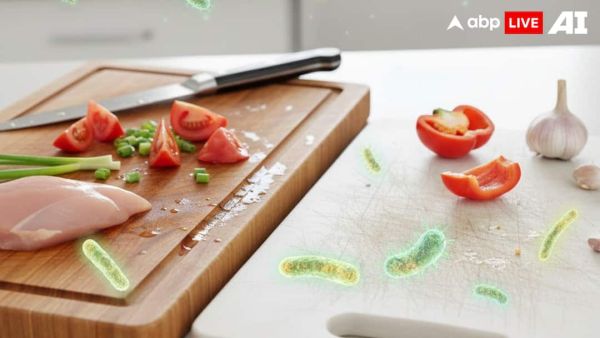
Whether wooden or plastic, chopping boards quietly harbour bacteria in their tiny knife grooves. Every cut creates micro-scratches where moisture and food particles get trapped. Raw vegetables, fruits, and especially meat leave behind bacteria that cannot be seen with the naked eye. Many people rinse chopping boards quickly and reuse them, unaware that harmful bacteria may still remain embedded in the surface. Washing chopping boards thoroughly with hot water and soap after every use is essential. Occasionally cleaning them with lemon juice or vinegar helps neutralise odours and bacteria naturally, keeping your food preparation safer.
3. Mobile Phones And Remote Controls
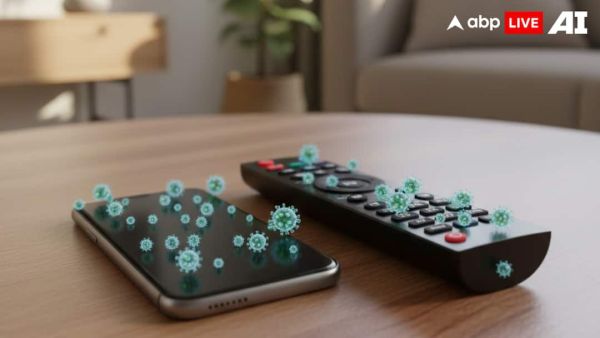
Your mobile phone may look spotless, but studies suggest it can carry more bacteria than a toilet seat. Think about it, phones and remotes are touched constantly, often without washing hands. They travel from kitchen counters to beds, bathrooms, and even dining tables. Remote controls for TVs and air conditioners are equally guilty. They are shared by multiple people and rarely cleaned, making them silent carriers of germs. Every scroll, call, or button press transfers bacteria back to your hands and face. Regularly wiping phones and remotes with a microfibre cloth and a light alcohol-based cleaner reduces the spread of hand-borne infections and keeps these everyday items hygienic.
4. Kitchen Sponges And Dishclothes
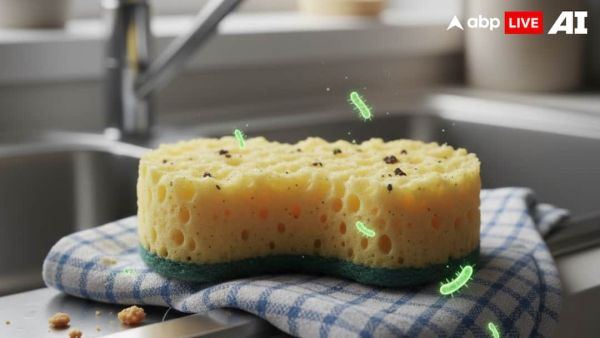
It's ironic, but the very tools meant for cleaning are often the dirtiest. Kitchen sponges and dishcloths remain damp for hours and trap food particles, creating an ideal environment for bacteria to multiply rapidly. Using a contaminated sponge spreads germs across plates, countertops, and sinks instead of cleaning them. Over time, this leads to unpleasant smells and increases the risk of gastrointestinal infections. Washing sponges in hot water daily, boiling them occasionally, and replacing them regularly is essential. A fresh sponge may seem minor, but it plays a major role in maintaining kitchen hygiene.
5. Bathroom Taps And Handles
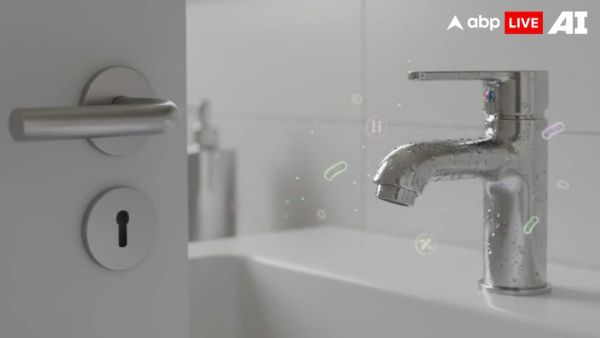
Bathrooms are naturally humid spaces, and moisture encourages bacterial and fungal growth. Taps, door handles, and soap holders are touched with unwashed hands multiple times a day, making them high-risk surfaces. Despite frequent use, these areas are often cleaned less often than the toilet itself. Over time, bacteria build up and spread across surfaces, increasing the risk of skin infections and fungal growth. A quick daily wipe with a mild disinfectant helps keep these commonly touched areas clean and prevents germs from spreading across the bathroom.
6. Toilet Flush Handle
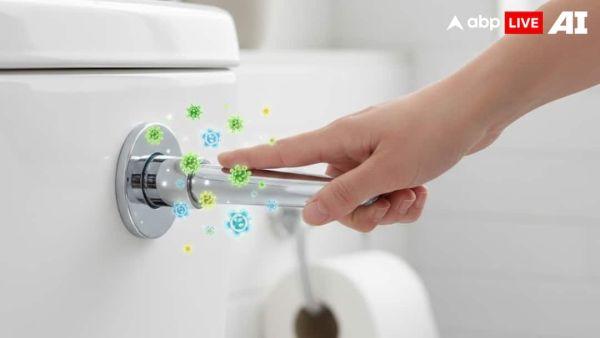
The toilet flush handle is one of the most frequently touched yet overlooked surfaces in the home. Every flush involves direct hand contact, often before handwashing takes place. If not cleaned daily, the flush handle becomes a hotspot for bacteria, allowing germs to transfer easily to hands and nearby surfaces. This increases the risk of infections spreading within the household. Making it a habit to wipe the flush handle daily with disinfectant wipes is a simple but highly effective hygiene practice.
7. Light Switches And Door Handles

Light switches and door handles are touched by everyone, family members, guests, and even children, yet rarely cleaned daily. These surfaces act as germ highways, transferring bacteria from one person to another effortlessly. Because they don’t appear dirty, they’re often ignored during routine cleaning. However, regular wiping can significantly reduce the spread of seasonal illnesses and common infections. Including switches and handles in daily or alternate-day cleaning routines can dramatically improve overall household hygiene.
8. Pet Feeding Bowls
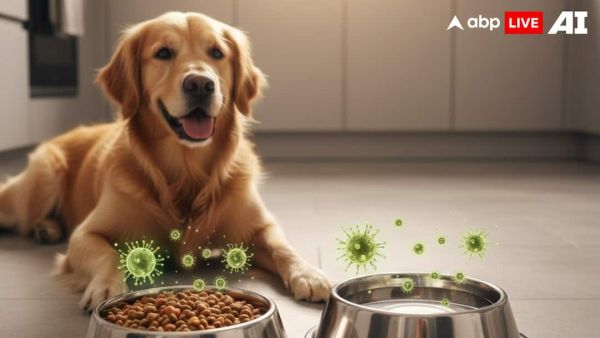
If you have pets, their food and water bowls deserve special attention. Pet saliva, leftover food, and moisture quickly turn feeding bowls into bacterial hotspots. When not cleaned daily, these bowls can harbour harmful bacteria that may affect both pets and humans. Cross-contamination often occurs when bowls are handled and placed near kitchen areas. Washing pet bowls daily with hot water and soap keeps them hygienic and prevents them from becoming a source of illness.
-
Uttar Pradesh: Tragic Family Shooting Shocks a Quiet Neighbourhood
-
Transatlantic Relations Under Pressure: Sovereignty, Security, and Trade in the Arctic Era

-
Rising Arctic : Tensions and Strategic Air Deployment at Greenland’s Pituffik Base

-
Tamil Nadu Assembly Standoff: Governor RN Ravi’s Walkout and the National Anthem Controversy

-
Mallikarjun Kharge : Honors Frontier Gandhi on His Death Anniversary